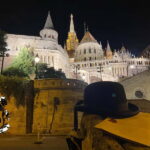
Budapest’s buildings teach art history in motion. A private Art Nouveau tour like this turns façades, mosaics, and street palaces into a clear story—plus you’ll get a complimentary coffee in an Art Nouveau setting. I love that you get a real one-on-one feel, not a lecture herd.
Another thing I like: the tour is easy to use logistically, with hotel or port pickup and drop-off built in, and the main sights are timed so you’re not rushing all day. The only real drawback to plan around is that interior time and access can be limited at a couple spots, and one major building is seen from the outside due to renovation.
If you hate last-minute confusion, pay attention to meeting details. One past experience noted trouble receiving meeting info by email, so it’s smart to confirm where to meet a day before—especially if you’re arriving by boat.
In This Review
- Key points worth knowing before you go
- Budapest’s Art Nouveau: why this city feels different
- Price and value: $243.53 per group (and what that means)
- The 4-hour flow: how pickup, walking, and timing fit together
- Parisian Passage Café: coffee in a passageway world
- Liszt Academy: Seсession style tied to music
- Váci Street walk: palaces, fashion, and architectural storytelling
- Torok-Bankhaz Building: the Art Nouveau to Art Deco transition
- Postatakarek Bank: LECHNER and those castle-like details
- House of Hungarian Art Nouveau: where the national style shows up
- Budapest Zoo buildings: Secession variety in an unexpected setting
- Museum of Applied Arts: facade-only, still worth it
- Guides matter: what the best versions of this tour feel like
- Coffee stop as a mini lesson, not a break from thinking
- What to bring and how to get the best photos
- Who this tour is best for
- Should you book this Art Nouveau tour?
- FAQ
- How long is the Private Art Nouveau Tour Budapest?
- Is this tour private?
- Is hotel or port pickup included?
- Are admission fees included?
- What’s included in the price?
- Can I cancel for a refund?
Key points worth knowing before you go
- Private guide with an art-historian focus: you can ask questions and move at your group’s pace
- Coffee stop at Parisian Passage Café: a memorable Art Nouveau pause, not just a quick drink
- Secession and Hungarian National Style theme: you’ll learn how Budapest’s version differs from other European cities
- Famous architects named in the route: you’ll connect buildings to people (like MIKSA ROTH and LECHNER)
- Time-efficient stops: 4 hours covers several major examples, with short, purposeful windows inside and out
Budapest’s Art Nouveau: why this city feels different
Budapest’s Art Nouveau scene isn’t just decorative. It has personality. You’ll see how Hungarian architects and artists adapted the broader European Secession movement into something distinct—often with national references and a strong love of detail. That’s the key idea your guide will keep returning to: don’t just look at the curls in the ironwork—learn what those choices meant and how they fit the era.
And unlike a lot of architecture tours, this one doesn’t treat the city like a museum map. The route links styles to streets and institutions. That makes the buildings easier to remember later, even after you’ve walked away from them.
You can also read our reviews of more private tours in Budapest


Price and value: $243.53 per group (and what that means)
The tour costs $243.53 per group, up to 15 people, and it lasts about 4 hours. That pricing is best for small groups or families who can fill a few spots, because it spreads the cost of a professional guide across more people.
Here’s the quick math so you can decide fast:
- If you book with a full group of 15, it works out to about $16 per person.
- If it’s just two people, it’s closer to $122 each.
Where the value really shows is the mix of access + interpretation: hotel/port pickup and drop-off, a private art-historian guide, and a coffee stop. If you care about learning, not just taking photos, this format usually beats doing it solo with apps.
The 4-hour flow: how pickup, walking, and timing fit together
This is designed to be a no-stress half-day. You’ll get hotel or port pickup and drop-off, and you’ll receive a mobile ticket. The stops are short and targeted—think 15 to 30 minutes at each place—so you’re constantly back on your feet, but never stuck in one doorway too long.
The route also helps you avoid the common architecture-tour problem: spending your limited time arguing with transit or searching for the next address. With pickup, you start already in the right mindset: looking closely, not navigating.
Dress code is smart casual, and it runs in all weather, so bring layers. Service animals are allowed, and it’s set up so most people can participate.
Parisian Passage Café: coffee in a passageway world
Your first highlight is a classic Art Nouveau-style “passage” experience: the Parisian Passage Café. You’ll explore the lush exterior and then step into the passage interior for a guided look. Expect a short visit—about 30 minutes—with free access included for this stop.
Why this place works so well: it teaches the tour’s theme early. Passage architecture is about movement—how people pass through a space and how a building quietly frames that experience. Your guide will point out details you’d likely miss on your own, like how the design supports the mood and function of the café experience.
If you enjoy architecture that’s meant to be lived in (not just stared at), you’ll appreciate this stop. It’s also the coffee moment that makes the whole tour feel grounded, not overly academic.
Liszt Academy: Seсession style tied to music
Next is the Liszt Academy, in the center of the city. This building is a homage to Hungarian music while also showing off international Secession flair. You’ll have about 15 minutes, and the tour includes a look inside the hall where mosaics and interior details are the focus.
This stop is a good checkpoint for your eyes. After Parisian Passage Café, you’ll start noticing how different Art Nouveau and Secession buildings create drama in different ways:
- passage spaces: atmosphere and flow
- institutional buildings like music halls: formal geometry and ornament meant to frame performance and sound
If you love details, pay attention to how the interior decoration interacts with the hall’s shape. That’s usually the moment when the style stops looking like “pretty patterns” and starts looking like a system.



Váci Street walk: palaces, fashion, and architectural storytelling
Then you switch gears to a street walk on Váci Street, Budapest’s well-known historic shopping and fashion axis. You’ll spend about 30 minutes here, and the idea is to connect street life with Art Nouveau heritage.
This is one of those stretches where your guide’s voice really matters. At street level, buildings can blend together unless someone helps you “read” them. You’ll likely stop at urban palaces and use them as case studies—how the façades communicate wealth, style, and cultural identity in a way pedestrians can actually see.
Practical tip: this portion is more walking than “stand still and stare.” Wear shoes you can trust. If you need fewer steps, tell your guide early—you can often adapt the pace in a private format.
Torok-Bankhaz Building: the Art Nouveau to Art Deco transition
The Torok-Bankhaz Building is your bridge stop between the two pre-war worlds: Art Nouveau and Art Deco. You’ll have about 15 minutes, and the building is associated with MIKSA ROTH, which your guide will use to anchor what you’re seeing.
This is where the tour gets especially useful for people who like a timeline. Instead of treating architecture as isolated styles, you’ll see how transitions happen. Even if two buildings look different at a glance, there can be continuity in how materials, composition, and ornament work.
If you’ve ever wondered why some Budapest buildings feel like they’re in conversation with each other, this stop is the answer.
Postatakarek Bank: LECHNER and those castle-like details
Another 15-minute focus is the Postatakarek Bank, linked to LECHNER and described as part of the Hungarian National branch of Secession. The time is short, but it’s enough for a guided look at “enchanted castle-like” details—exactly the kind of imagery that makes this style so memorable.
This stop is also ideal for anyone who likes ornament but hates when tours only talk about aesthetics. Here, your guide can explain how ornament becomes identity—how the building’s styling signals power and modernity for its era.
If you want photos, this is one of the best points to slow down. The details are the story.
House of Hungarian Art Nouveau: where the national style shows up
At the House of Hungarian Art Nouveau, the tour shifts from individual architects to the broader idea of a Hungarian national interpretation of the Secession period. You’ll have about 15 minutes.
What you’ll gain here is context. By this point, you’ve seen specific landmarks. Now you connect the dots: what “Hungarian National Style” meant visually, and how it absorbed influences while keeping a local signature.
This is the stop that helps your brain organize everything you’ve seen so far. If your attention span is short, make sure you actually listen during this one—you’ll thank yourself later.
Budapest Zoo buildings: Secession variety in an unexpected setting
You’ll also see some buildings around the Budapest Zoo area as part of the route. The idea here is variety: you get another set of examples showing diversity across Art Nouveau and Secession architecture.
This isn’t about spending time in the zoo. It’s about using the area as an extra architectural lens—another place to compare how ornament and form change from one neighborhood feel to another.
If you enjoy pattern recognition in travel—how details repeat with variation—you’ll like this part. It also keeps the tour from feeling like a straight line of the “same style, different door” routine.
Museum of Applied Arts: facade-only, still worth it
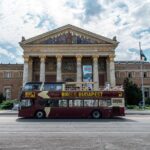
Your final major architectural stop is the Museum of Applied Arts, where you’ll focus on Hungarian National Style trademarks of the Secession movement. You’ll spend about 15 minutes, and importantly, because the museum is still under renovation, you’ll only be able to explore the facade.
That sounds limiting, but it’s not a total loss. Facades are where Secession architecture often makes its loudest statements—shape, line, and surface decoration that you can read from the street. A good guide will help you treat the exterior like a complete lesson, not a consolation prize.
If you were hoping for lots of interior rooms, this is the place to adjust expectations. Still, the facade view can be excellent for learning how the movement expresses itself publicly.
Guides matter: what the best versions of this tour feel like
A big reason this tour scores highly is the guide style. You might meet guides like Szoke Zsuzsanna, Suzy, Bogata, or Michael—and the standout quality is how they connect architecture to Hungary’s story, not just to art movements.
In the stronger guide experiences, you’ll notice three things:
- Story-first explanations: buildings connect to the country, not just the style
- Real tailoring: pacing can be adjusted, including using taxis and public transport when needed for limited walking ability
- Extra moments: a side stop at a notable art museum has happened when time allows, and the coffee setting can feel like part of the architecture lesson, not just a break
Even if your guide sticks tightly to the route, that interpretive style is what turns a few buildings into a memorable mental map.
Coffee stop as a mini lesson, not a break from thinking
The included coffee and/or tea at Parisian Passage Café is a clever design choice. It creates a natural pause in the middle of a visually intense tour. Then your guide can point out how design choices shape comfort—how the space encourages people to linger.
If you’re the type who tends to get tired halfway through walking tours, this is one of the smartest built-in perks you’ll find. You get a reset without losing your momentum.
What to bring and how to get the best photos
Because you’ll see a mix of exterior and interior spaces, bring:
- Comfortable shoes for street walking on Váci Street
- A light layer for weather swings since the tour runs in all conditions
- A charged phone/camera, since the mosaic and facade details are photo-friendly
Also, don’t try to photograph everything. Pick a couple anchor features per stop. That’s the best way to avoid ending the tour with 200 blurry shots and no memory of what matters.
Who this tour is best for
This works especially well if you fall into one of these categories:
- You love architecture but want someone to explain the “why”
- You prefer private pacing and the ability to ask follow-up questions
- You’re in Budapest for a short time and want a curated spread of Secession examples in about half a day
- You’re traveling as a small group and can make the per-group price feel fair
It’s also a good choice if you want to understand how Hungary shaped the Secession movement—how the national version shows up in details, not just textbooks.
Should you book this Art Nouveau tour?
Yes, if you want an architecture tour that’s readable. You’ll get a professional art historian guide, hotel/port pickup, and a coffee stop in a real Art Nouveau setting. You also cover a smart set of landmarks tied to recognizable themes like the shift toward Deco and the Hungarian National Style.
You might hesitate if you strongly prefer long interior museum time—because at least one big stop is facade-only during renovation. And if you’re the type who depends on email for timing and meeting details, double-check your pickup instructions close to departure.
If you’re flexible and ready to look closely, this is the kind of half-day that makes Budapest feel smarter, not just prettier.
FAQ
How long is the Private Art Nouveau Tour Budapest?
The tour runs for about 4 hours.
Is this tour private?
Yes. It’s a private tour, and only your group participates.
Is hotel or port pickup included?
Yes. Hotel/port pickup and drop-off are included, based on the pickup details you specify.
Are admission fees included?
The tour is listed with free admission for the stops in the route (including Parisian Passage Café, Liszt Academy, and others). Public transportation tickets are not included.
What’s included in the price?
Included are a professional art historian guide, hotel/port pickup and drop-off, the private tour, and coffee and/or tea.
Can I cancel for a refund?
Yes. You can cancel up to 24 hours in advance for a full refund. If you cancel less than 24 hours before the start time, the amount paid is not refunded.