REVIEW · BUDAPEST
Private Wine Tasting in Budapest
Book on Viator →Operated by Miklós Csizmadia · Bookable on Viator
Budapest has wine secrets worth hearing. This private tasting with Miklós Csizmadia (Miki to many) mixes a wine journalist and wine judge with a hands-on flight of Hungarian grapes you may never spot on a normal restaurant list. I especially like the way you taste indigenous whites like Furmint and Hárslevelű while your host explains what makes Hungarian wine tick, and I also love the red lineup (Kékfrankos, Kadarka, Bull’s Blood) paired with snacks so you do not feel like you are just chasing alcohol. One possible drawback: the meeting point is a bit away from the tight city-center grid, so you’ll want to plan an easy transit route.
You get a focused, 2-hour evening that feels less like a lecture and more like a guided wine story you can taste. You’ll hear about the history of winemaking in Hungary, plus personal wine-maker connections and some genuinely funny anecdotes tied to the bottles in front of you. If you expect a quiet, formal salon, this is still professional, but it runs lively.
In This Review
- Key Highlights You’ll Care About
- Where the Tasting Starts: Wine the Gap and a Private Evening
- The Wine Flight: 6+1 Hungarian Grapes, Not Just the Usual Suspects
- The White Wines: Aromatics, Texture, and Tokaj’s DNA
- The Rosé and the Reds: Kékfrankos, Kadarka, Bull’s Blood
- The Bonus Pour: A Delicate Dessert Finish
- Snacks That Actually Help: Tapas-Style Plates and Hungarian Nibbles
- The Host’s Role: History, Wine-Maker Stories, and Why It Feels Fun
- How to Think About the Value of $60 for Two Hours
- Logistics That Matter: Transport, Timing, and Being Ready to Taste
- Who This Tasting Fits Best (and Who Might Want Something Else)
- Should You Book This Private Wine Tasting in Budapest?
- FAQ
- What’s the duration of the Private Wine Tasting in Budapest?
- How much does it cost, and is it private?
- What language is the tasting offered in?
- How many wines will I taste?
- Where does the tasting start?
- What’s the cancellation policy?
Key Highlights You’ll Care About
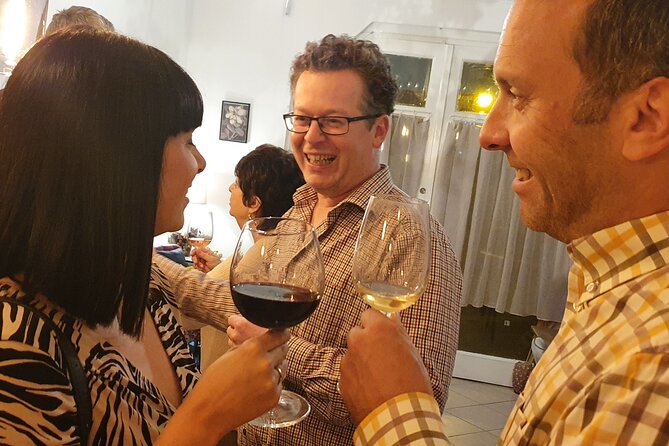
- A wine journalist and wine judge lead your private session, so explanations stay practical and grounded
- 6+1 indigenous Hungarian wines guide you from aromatic whites to characterful reds
- Tokaj essentials show up via Furmint (the base grape of Tokaji Aszú)
- Snacks are built in, with tapas-style plates like ham, sausages, cheese, olives, and bread
- A small-bar setting at Wine the Gap makes it easy to ask questions in English
- A finish that surprises, since the lineup can end with a delicate dessert wine
Where the Tasting Starts: Wine the Gap and a Private Evening
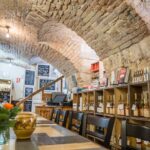
Your tasting kicks off at Wine the Gap Borbár és Rendezvénytér, Tompa u. 26, 1094 Budapest. This matters more than it sounds. You are not wandering across town on a scavenger hunt—you’re walking into one wine bar space where the session can actually flow. And because it’s private, it’s only your group, not a mixed crowd fileing in and out.
The location sits in a neighborhood that feels active after dark. One advantage: you can treat this as the anchor for your evening. Eat light beforehand if you want, but plan on staying around after the tasting, since the street scene is part of the vibe.
Timing is simple: it’s about 2 hours. That’s a sweet spot if you want real tasting variety without feeling trapped into a long, day-long program. Also, you’ll get a mobile ticket, so your day stays low-friction.
English is available, and that’s a real quality-of-life point. Hungarian wine has terms that can sound like puzzles, even to people who read labels. Here, you get the translations and the “why” behind them, not just the names.
You can also read our reviews of more food & drink experiences in Budapest


The Wine Flight: 6+1 Hungarian Grapes, Not Just the Usual Suspects
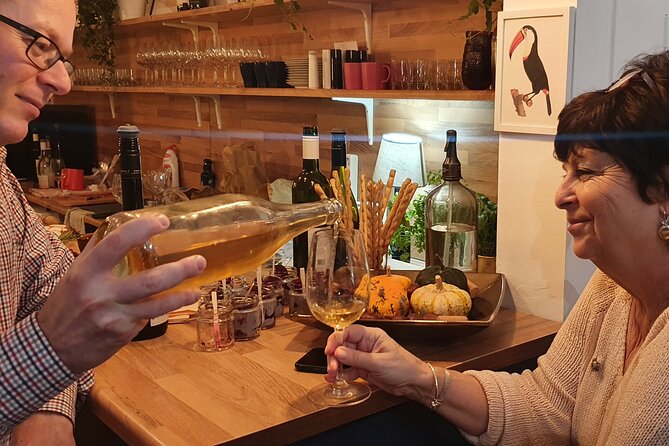
This is built around a concept that I love: Hungary is not trying to be France. Your host treats the tasting like a map of Hungarian wine thinking—what grows, what thrives, and how regional grapes shape style.
The White Wines: Aromatics, Texture, and Tokaj’s DNA
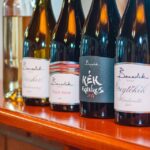
You’ll taste 6+1 indigenous Hungarian white wines. Expect a mix that ranges from crisp and fragrant to more rounded, depending on the bottle. Among the names mentioned, you can plan on seeing:
- Cserszegi fűszeres (often described in fun, teasing terms because it is hard to pronounce)
- Hárslevelű (a classic Hungarian white grape)
- Furmint (the headline grape of Tokaj, and the base grape of Tokaji Aszú)
Even if you only know Tokaj from the sweet side, Furmint is where the real lesson starts: this grape can do far more than one style. During your tasting, your host links grape traits to real-world vineyard choices—so you start to recognize why a wine tastes the way it does, instead of memorizing facts like a quiz.
The Rosé and the Reds: Kékfrankos, Kadarka, Bull’s Blood
On the red side, your lineup can include:
- Kékfrankos
- Kadarka
- Bull’s Blood (sometimes called something close to that theme on menus)
This part is where you’ll likely feel your “Hungary vs. my usual wine habits” moment. These are not generic reds meant to blend into the background. Your host helps you taste for differences in aroma, acidity, and the way the wine finishes on your palate.
And yes, a rosé can be included too. One review specifically mentioned enjoying the rose along with whites and reds, which makes sense in a flight that moves from lighter to deeper flavors.
The Bonus Pour: A Delicate Dessert Finish
The experience can end with a delicate dessert wine. That ending matters. A sweet final glass gives your brain a reference point. It also keeps the evening from feeling like you stopped at “just more wine,” since dessert wine has a different role: texture, sweetness balance, and aromatic lift.
You can also read our reviews of more private tours in Budapest






Snacks That Actually Help: Tapas-Style Plates and Hungarian Nibbles
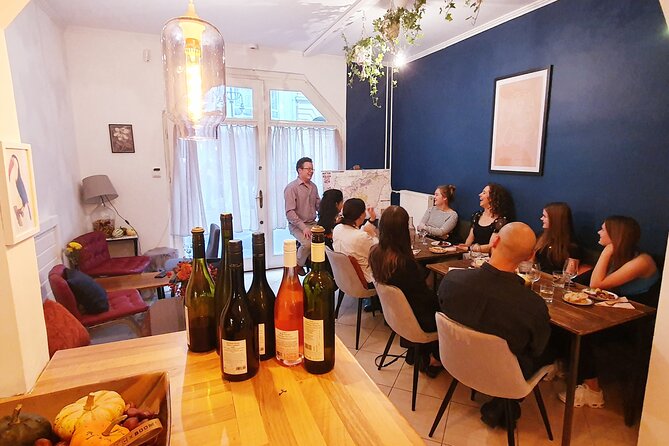
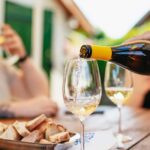
Here’s a practical detail that makes the whole session better: no hunger pangs. Your sample menu lists tapas-style plates, with things like:
- ham, sausages
- cheese
- olives
- bread
And in the tasting atmosphere, those snacks are not filler. They help you taste more clearly. Wine is easier to judge when you are not running on empty stomach and adrenaline.
Some people also mention a spread tied to Mangalica—that’s Hungary’s famous heritage pig style, often used in rich charcuterie and spreads. If that shows up in your glass-and-snack pairing, it can be a strong flavor bridge to the reds.
Bottom line: you can learn wine and still feel taken care of. That’s rare in shorter, paid tastings.
The Host’s Role: History, Wine-Maker Stories, and Why It Feels Fun
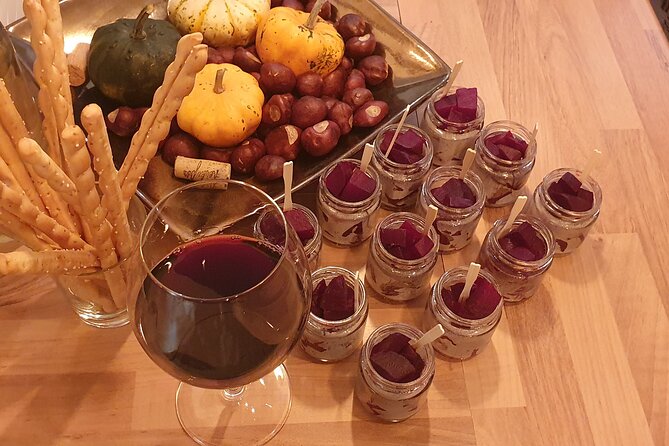
This tasting leans heavily on story. Not random trivia. The point is to make the wines make sense.
Your host is a wine journalist and wine judge. That combo changes the tone. You get more than “this tastes like fruit.” You get explanations that connect style to region, and judging-style cues like balance and structure.
The experience also includes a history of winemaking in Hungary. You’ll hear how Hungarian wine culture evolved and how current varieties fit that long arc. Your host also says they know many wine makers personally, and you’ll get that human angle through anecdotes and producer stories.
One of the most repeated themes in the sessions is entertainment value. The guide often uses humor and energy, plus little surprises saved for later in the tasting. That’s why people come away feeling like they did more than drink. They feel like they left with a working picture of Hungarian wine.
How to Think About the Value of $60 for Two Hours
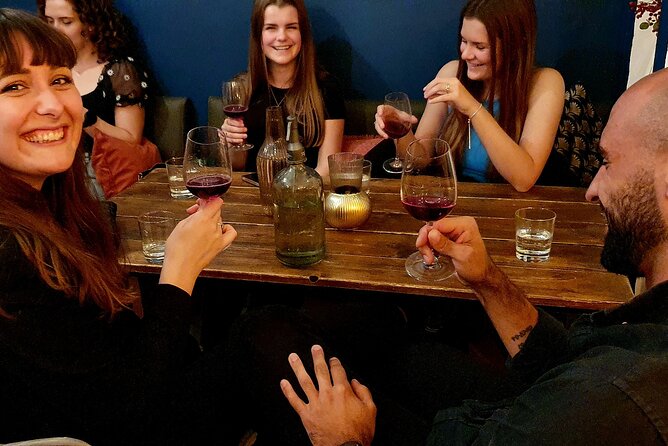
At $60 per person for around 2 hours, the price can feel like a splurge—until you compare what’s included.
You’re getting:
- a private session (not a shared group scramble)
- 6+1 wines, with a guided tasting flow
- snack pairing (tapas-style plates)
- a host who’s both a journalist and a wine judge
- English explanations and time for questions
If you’ve ever done a “flight” at a bar where you get seven small pours and maybe one sentence per wine, this is different. Here, the host’s time is part of the product. You’re not just paying for bottles—you’re paying for the thinking behind them.
Also, many of the wines discussed can be hard to find in everyday spots. The tour description notes that most wines can be tasted or bought mainly in Michelin-star restaurants and top Budapest hotels. Even if you never buy anything, the takeaway is useful: your evening lets you sample wines that feel like they belong to a higher tier of the market.
Logistics That Matter: Transport, Timing, and Being Ready to Taste
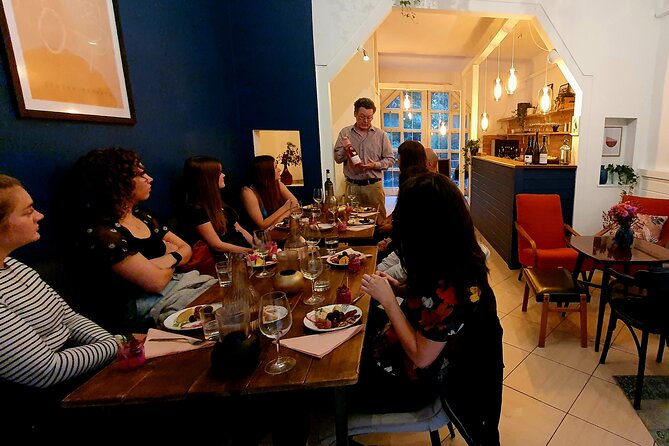
This is a simple evening, but a little planning makes it smoother.
- Meet at Wine the Gap: Tompa u. 26, 1094 Budapest. Give yourself time to reach it without stress.
- Near public transportation: so you can aim for transit and avoid parking headaches.
- Private group: if you’re traveling with friends or family, this is a good “everyone stays together” format.
A quick tip: if you plan to shop for wine afterward, keep in mind your own baggage limits. Several people express regret about not being able to take bottles home. So if buying is part of your dream, think about what you can carry—or how you’ll handle transport.
Finally, arrive with a mindset of tasting and learning, not just drinking. You’ll get more out of it when you’re paying attention to structure and aroma shifts across the lineup.
Who This Tasting Fits Best (and Who Might Want Something Else)
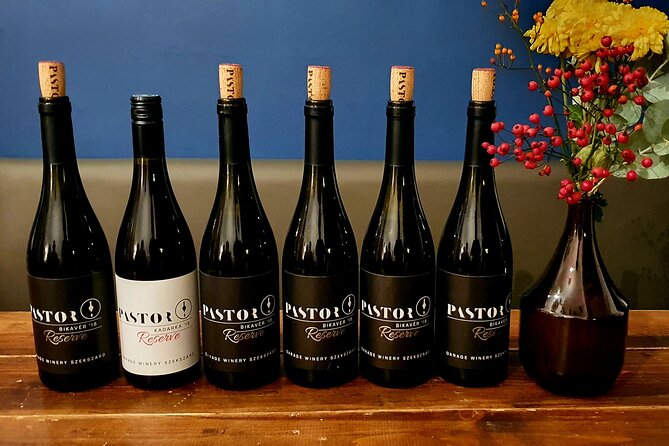
I’d steer you toward this experience if you want:
- Hungarian wine education with indigenous grapes at the center
- a private, English-led evening with a guide who tells stories and explains choices
- a tasting that includes both whites and reds, not just one style
- snack pairing that makes the whole evening feel comfortable
It may not be your best fit if you want a super casual, hands-off “drink whatever” bar crawl. This is interactive. You’ll be guided through the wines, plus history and region context. If that sounds like your kind of fun, book it. If you want pure freedom, you might prefer a less structured tasting room.
Should You Book This Private Wine Tasting in Budapest?
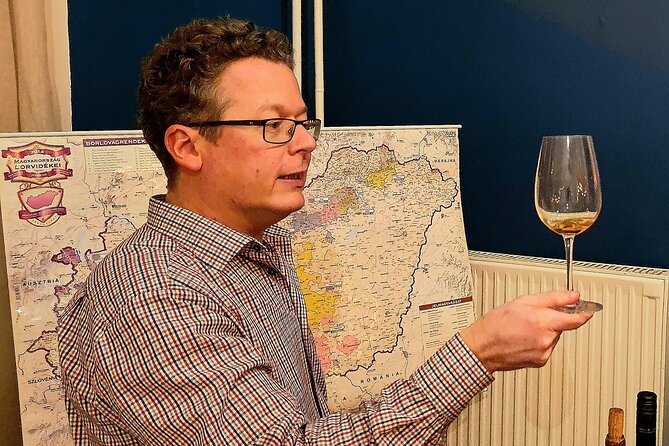
Yes, I think you should—especially if you want an evening that feels like Budapest itself, not a tourist shortcut. The biggest reasons: you taste a focused range of Hungarian grapes (including Tokaj-adjacent Furmint), you get real history and wine-maker stories from Miklós Csizmadia, and the snacks keep you comfortable while you learn.
One more reason to say yes: the format is short enough to fit any itinerary, but structured enough to leave you with actual takeaways. You come out knowing what to look for next time you see a Hungarian label.
If you’re in Budapest with a free evening and any interest in wine beyond the basics, this is an easy decision.
FAQ
What’s the duration of the Private Wine Tasting in Budapest?
It lasts about 2 hours.
How much does it cost, and is it private?
The price is $60 per person, and it’s a private tour/activity where only your group participates.
What language is the tasting offered in?
The tasting is offered in English.
How many wines will I taste?
The experience includes a selection of 6+1 indigenous Hungarian white wines, plus red wines, and it can also include a delicate dessert wine at the end.
Where does the tasting start?
You’ll meet at Wine the Gap Borbár és Rendezvénytér, Tompa u. 26, 1094 Hungary.
What’s the cancellation policy?
You can cancel for a full refund if you cancel up to 24 hours in advance. If you cancel within 24 hours of the start time, the amount you paid will not be refunded.