REVIEW · BUDAPEST
Rise Against the Soviet: The 1956 Revolution – Private Tour
Book on Viator →Operated by Fungarian · Bookable on Viator
A revolution route you can actually follow. This 3-hour private tour takes you to the places where the 1956 uprising turned from protests into a fight with lasting consequences, with a guide who puts names and moments into plain human context. I especially like the way the stops link the political story to specific locations, and how you get educational handouts plus a small souvenir to bring the theme home. One thing to consider: the topic is huge, and some people will want more time if they already know 1956 deeply.
You’ll move around Budapest with a mix of walking and short rides, starting on the city’s grand civic side and working your way toward where resistance hardened. Stops are listed with free admission, so you’re mostly paying for the time, interpretation, and route—not entry fees.
Key Points at a Glance
- Tight 3-hour, private format for up to 5 people, with pickup available in Budapest
- Free admission stops at each site on the route (as listed)
- 1956 told through real landmarks, from Kossuth Square to Corvin Cinema
- Imre Nagy, Mátyás Rákosi-era tensions, and the student protests all connect through the geography
- Guide storytelling matters, including personal or lived-in Communist-era perspectives from guides like Peter and Miklós
- Handouts and a communism-related souvenir add a useful take-home layer for history nerds and casual readers alike
In This Review
- A 1956 Story Told Street by Street, Not From a Textbook
- Price and Value: $228.66 for Up to 5 People
- Kossuth Lajos Square: Parliament, a Mass Demonstration, and a Hard Ending
- Margaret Bridge and the “White House” Party HQ
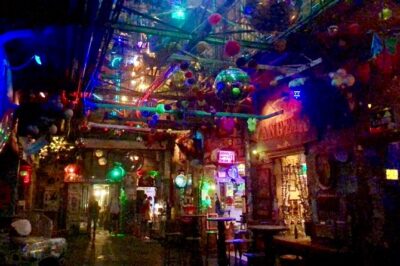
- Bem Square, 200,000 Student Protesters, and Bambi Eszpresszó
- The Petőfi Statue: A Meeting Point for Protest Then and Now
- Radio Budapest: Where Revolutionaries Begged for Help
- Corvin Cinema and Corvin köz: Molotov Cocktails vs. Soviet Tanks
- Guides Who Turn Memory Into Meaning (Peter and Miklós Stand Out)
- What This Tour Does Well, and Where It Might Fall Short
- Who Should Book This Private 1956 Tour
- Should You Book Rise Against the Soviet?
- FAQ
- How long is the Rise Against the Soviet: The 1956 Revolution private tour?
- Is this tour private?
- How many people can be in a group?
- Do I get pickup in Budapest?
- Is the tour offered in English?
- What’s included in the tour price?
- Do the stops require paid entrance tickets?
- Can I cancel and get a full refund?
A 1956 Story Told Street by Street, Not From a Textbook
Budapest has a way of keeping the past visible. Even when the city looks calm, 1956 leaves clues in architecture, statues, and the names of squares and buildings. This tour leans into that. Instead of treating the revolution as a single dramatic event, you get a sense of how long tensions were building, and how the aftermath shaped daily life for decades.
What I like is that the guide-led approach makes the theme feel grounded. You’re not just memorizing dates. You’re standing in front of the places where people tried to change the course of their country—and where the state, and then the Soviet crackdown, responded.
If you’re the kind of traveler who cares about Communist legacies, human rights, and how propaganda and power work, this tour fits your brain. If you’re looking for a light sightseeing loop, you’ll still enjoy Budapest—but the tone stays serious.
Price and Value: $228.66 for Up to 5 People
The price is listed as $228.66 per group (up to 5) for about 3 hours. That matters because it flips the math. For a solo traveler, you might feel the cost is steeper. But for two, three, four, or five people traveling together, it can become a very fair way to get guided context at multiple sites without splitting into a large group.
You’re paying for four things:
- A private group (so questions don’t get rushed)
- A structured route between major 1956-related locations
- A guide who connects the dots in a way you’d miss on your own
- Added material like handouts and a communism-related souvenir
Also, the tour notes that the sites have free admission tickets. That doesn’t mean there are zero costs in the city (you may still buy drinks), but it lowers the “surprise expenses” risk.
You can also read our reviews of more private tours in Budapest
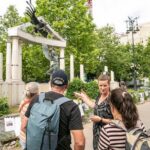

Kossuth Lajos Square: Parliament, a Mass Demonstration, and a Hard Ending
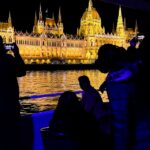
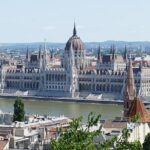
Your tour opens at Kossuth Lajos Square, where the Hungarian Parliament stands. This is one of those places where it’s easy to admire the building first—then harder to ignore what happened here in 1956.
The key moment is the mass demonstration in 1956 and the aftermath: dozens were killed by the government. That’s heavy material for a spot that also feels ceremonial and civic. The value is that the guide helps you understand what the square represented to people on the ground, not just what it looks like from a postcard.
What to pay attention to: this isn’t just history behind glass. It’s political space—power concentrated, crowds assembled, and then force used.
Time note: you’ll spend about 25 minutes here, which is enough to grasp the narrative without getting stuck in one location too long.
Margaret Bridge and the “White House” Party HQ
Next you head toward Margaret Bridge and the Danube’s edge. Nearby, in communist times, a building was dubbed the White House—and it served as the Party HQ of the Hungarian communist government.
This stop is useful because it shows the mismatch between public life and political control. From across the river, Budapest looks open and walkable. But the tour frames this area as a command center, tied to decisions that affected thousands.
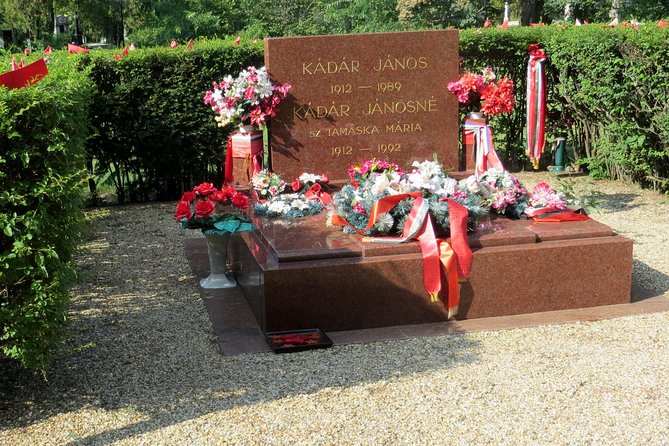
You’ll also see the statue of Imre Nagy, the Prime Minister during 1956 who was later murdered. His name is not just a historical footnote; it becomes a kind of compass for understanding the revolution’s goals and how those goals were crushed.
Time note: expect about 20 minutes.
Consideration: if you want lots of museum-style storytelling, remember this is a walking-and-looking tour. The interpretation comes from the guide, not from extended time inside buildings (entry fees are listed as free, but the format stays focused on sights).
Bem Square, 200,000 Student Protesters, and Bambi Eszpresszó
Then the route shifts south to Bem Square, a place tied to student action on a massive scale: 200,000 Hungarian students protesting Soviet rule in 1956. The rally is described as originally organized to support Polish workers, which is a reminder that political resistance in the region often had cross-border moral logic, not just national slogans.
This is a strong stop for “why” questions. You’re not only learning what happened in Hungary—you’re seeing how ideas traveled and solidarity formed.
Right around here, you’ll also visit Bambi Eszpresszó on Frankel Leó utca. It’s described as a shelter for Buda-side intellectuals that has been operating since the 1960s, maintaining both the same atmosphere and the same interior design ever since.
That blend—protest square plus a café that has held cultural life through communist eras—helps you understand something big: revolutions are not only fought by leaders. They’re argued for, lived, and planned by ordinary social worlds too.
Time note: plan for about 30 minutes.
What I’d suggest: if you like cafés, take a moment to picture the kind of conversations that might have happened there. Even if you don’t go inside for food or drink, you’ll get the cultural contrast the tour is aiming for.
The Petőfi Statue: A Meeting Point for Protest Then and Now
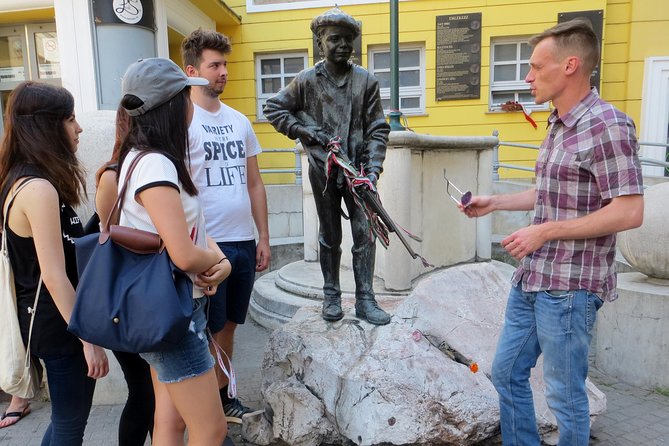
At the Sándor Petöfi statue, the theme tightens around symbolism. Petőfi is described as a key figure in the 1948 revolution, which is why he became a broader symbol for struggle against government.
The statue also functions as a meeting point for political events and protesters even today. That continuity is worth noticing. It’s easy to treat 1956 like sealed history. This stop quietly argues that the impulse for political change didn’t disappear—it just changed costumes and languages over time.
A particularly striking detail tied to 1956: actor Sinkovits Imre came to this statue and recited Petőfi’s words that incited revolution. He was subsequently arrested and imprisoned.
Even though this tour is only a few hours long, that kind of story gives you a sense of the real risk of public speech. It also shows how art and performance can collide with power in a very literal way.
Time note: about 15 minutes.
Practical tip: this is a good place to ask your guide how they interpret symbolism in protests, not only what happened on that day.



Radio Budapest: Where Revolutionaries Begged for Help
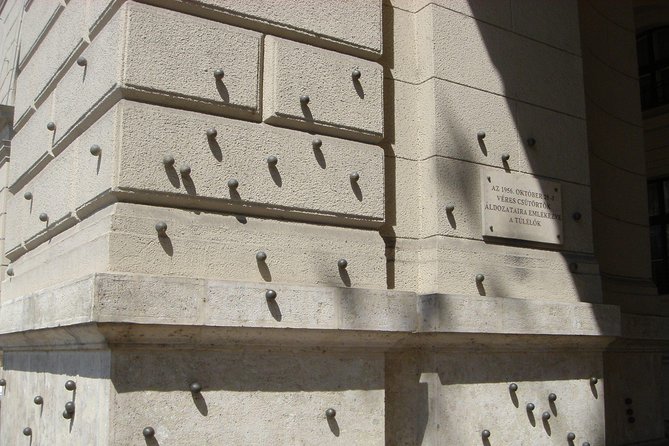
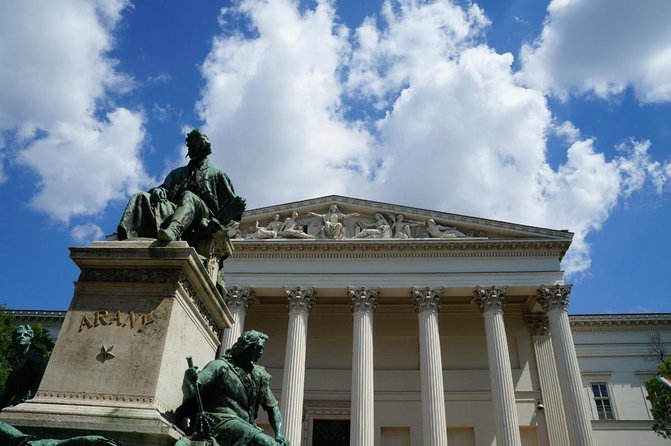
The route then takes you to the Hungarian National Museum area along the tiny, one-way Sándor Bródy Street, near the Magyar Rádió building, also called Radio Budapest. The tour description notes it’s somewhat secluded from Budapest’s busier streets, which helps the stop feel both specific and oddly quiet compared to what you’re learning.
This is one of the most compelling stops in the whole tour because it shifts from streets and statues to messaging and international attention.
The building is presented as an epicenter of fighting in 1956, and it’s described as the place where revolutionaries begged for help from the world at large. That single idea—pleading for outside attention while under pressure—adds urgency to everything you’ve heard so far.
What you’ll likely take away: in 1956, control wasn’t only about tanks and barricades. It was also about communication, legitimacy, and who got believed.
Time note: about 20 minutes.
Corvin Cinema and Corvin köz: Molotov Cocktails vs. Soviet Tanks
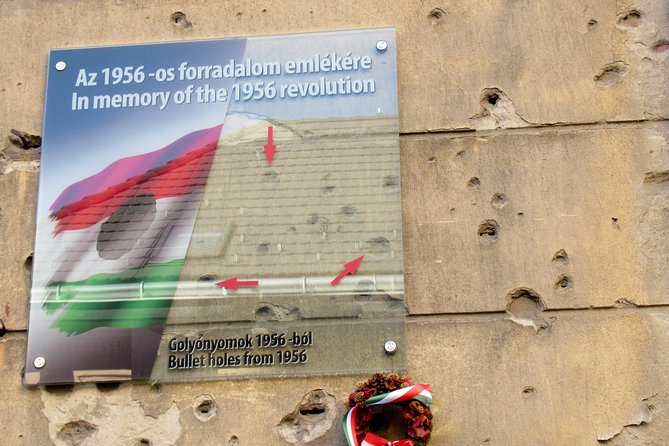
To finish, you head to the south-east side of Budapest and Corvin köz, where resistance was centered. This is where the tour most directly brings in the physical confrontation.
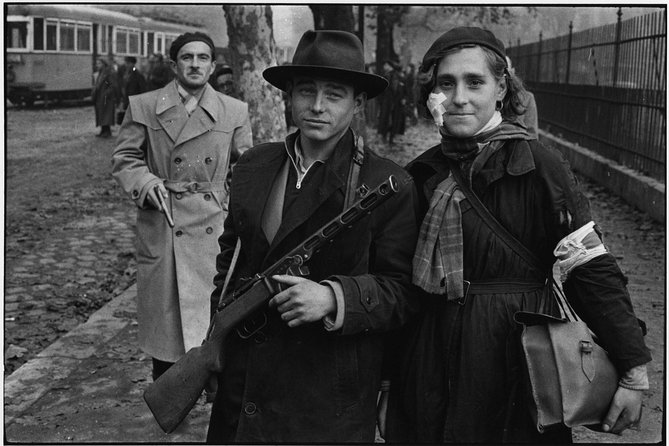
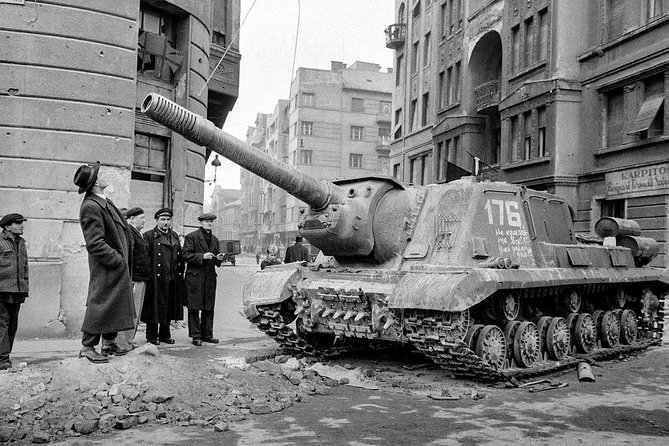
The description is clear about the stakes: local youngsters fought invading Russians with Molotov cocktails and guns they stole from soldiers to fight against Soviet tanks. It’s a vivid example of how asymmetric resistance works—fast, improvisational, and desperate, even when the odds are brutal.
You’ll also look at reminders of the battles in the area and talk through the invasion’s impact and aftermath. That final stretch is important because it doesn’t let 1956 become only heroic or tragic. It stays grounded in consequences: what was lost, what changed, and how long the shadow lasts.
Time note: about 30 minutes.
If you’re photo-minded: this is one of the better places for field photos, because the urban texture helps you understand the “where” of the fighting, not just the “what.”
Guides Who Turn Memory Into Meaning (Peter and Miklós Stand Out)
The tour’s biggest strength is how human it becomes through the guide. The names that show up in reported experiences include Peter and Miklos.
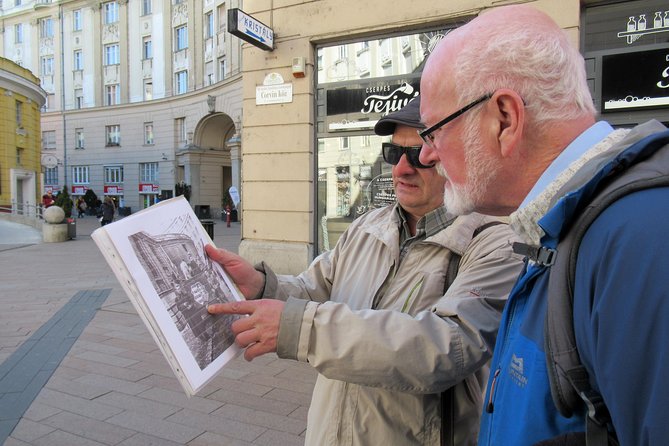
In one case, the guide was described as adjusting pace for a 91-year-old family member connected to the 1956 revolution. That’s a big deal. It means the tour isn’t rigid. If your group includes someone with slower mobility or you want to spend a little extra time asking questions, you’ll likely be able to.
Another review highlights Miklos as living through the Communist era and sharing personal insight. That kind of perspective can be powerful, because the guide can explain what people thought, feared, and hoped for—not only what documents say.
I’d treat this as a major deciding factor: if your goal is to understand 1956 as a lived reality, pick a day when you can ask questions and slow down when something lands.
What This Tour Does Well, and Where It Might Fall Short
Let’s be honest. 1956 is huge, and this is a 3-hour tour. That’s the trade.
This tour does a strong job covering major locations tied to the uprising and its key symbols: Parliament-area political power, Imre Nagy’s legacy, student protests, the Petőfi mythos, Radio Budapest’s plea for international help, and resistance at Corvin köz.
Where some travelers may feel less satisfied is time allocation. If you’ve already studied the revolution in depth, a shorter format can make it feel general. A few people noted missing locations they expected, or that not enough time seemed devoted to 1956 itself. That doesn’t mean the guide lacks skill; it means the route is designed to fit a compact story, not to cover every single site.
So here’s my practical take:
- If you want a solid guided overview with meaningful stops, this hits the mark.
- If you want to catalog every street detail of 1956, you’ll likely need a longer, more site-heavy plan.
Who Should Book This Private 1956 Tour
You’ll probably love this tour if:
- You’re a history buff who likes politics with place-based proof
- You want a guided tour that connects themes instead of listing facts
- You’ll value handouts you can read later at home
- You travel with a small group (up to 5) and want privacy
It may be less ideal if:
- You already know 1956 very well and are chasing a highly exhaustive list of sites
- You need long museum-style time in indoor exhibits rather than street-and-building interpretation
- Your group expects a lighter, more casual Budapest day (this is serious and stays that way)
Also, the route is described as moderate physical fitness. Expect walking plus short transit time between points.
Should You Book Rise Against the Soviet?
Yes, if your goal is a structured, guided route through Budapest that makes the 1956 revolution feel real and interconnected. The value is strongest for small groups, thanks to the private format and the per-group pricing, plus the stops are described with free admission and you get handouts and a souvenir.
If you’re choosing between this and a more specialized deep-dive tour, decide what you want most:
- Want a fast, meaningful orientation to 1956 in Budapest? Book this.
- Want to chase every single 1956 location and minute detail? You may want something longer.
Either way, do give the guide time to talk. The best parts of this tour are the stories attached to the places—especially when you hear names like Imre Nagy, Petőfi, and the artist Sinkovits Imre woven into the geography.
FAQ
How long is the Rise Against the Soviet: The 1956 Revolution private tour?
It lasts about 3 hours.
Is this tour private?
Yes. It’s a private tour/activity, and only your group participates.
How many people can be in a group?
The price is per group for up to 5 people.
Do I get pickup in Budapest?
Yes, pickup is offered. You can be met at your hotel in Budapest, or at a central point you agree upon.
Is the tour offered in English?
Yes, it’s offered in English.
What’s included in the tour price?
Included are handouts, a communism-related souvenir, and the tour itself with a guide. A mobile ticket is also mentioned.
Do the stops require paid entrance tickets?
The listed stop admissions are free.
Can I cancel and get a full refund?
Yes. Free cancellation is available up to 24 hours in advance for a full refund.