REVIEW · BUDAPEST
Budapest: 3-Hour Trabant Sightseeing Tour
Book on GetYourGuide →Operated by Cityrama Budapest Travel Agency · Bookable on GetYourGuide
A Trabant turns Budapest into a time machine. You’ll drive an authentic Trabant through the streets while your English guide points out the city’s communist-era layers in a way you can actually feel from the driver’s seat. It’s a fun combo: car-nerd nostalgia plus real sightseeing beats where you stand and look longer than you meant to.
I love the hands-on feel of the ride, especially the fact that you’re learning how this car works and what it takes to drive it. I also like how the tour can focus on communist-era landmarks like the Communist Statue Park and the 1970s–80s prefab housing blocks, or shift to a more normal highlights route depending on what you want. One thing to consider: this is a small, old machine, and if you’re tall or if anything mechanical happens, your comfort and timing can take a hit.
In This Review
- Key Things You’ll Notice Right Away
- Why This Trabant Tour Feels Different Than Usual Sightseeing
- The 3 Hours: How the Ride Becomes a Real Route
- Behind the Wheel: Fuel Tap, Dip-Stick, and That 2-Stroke Feel
- Communist-Era Stops: What You’ll See (and Why It Matters)
- Communist Statue Park
- Ecseri Flea Market
- 1970s and 1980s Prefab Housing Blocks
- Want a More Normal Budapest Route? You Can Do That Too
- Small Group Comfort: Space in the Back and Photo Magnet Energy
- Price and Value: What $294 Per Group Really Means
- Optional Airport Transfer: Extending the Trabant Day
- What I’d Ask Before You Book
- Should You Book This Trabant Experience?
- FAQ
- How long is the Budapest Trabant sightseeing tour?
- What is the group size?
- Where does pickup happen?
- Is an English-speaking guide provided?
- Do I need a driver’s license?
- What sights does the tour focus on?
- Is the Trabant included in the tour?
- Can I add an airport transfer?
- Is free cancellation available?
Key Things You’ll Notice Right Away
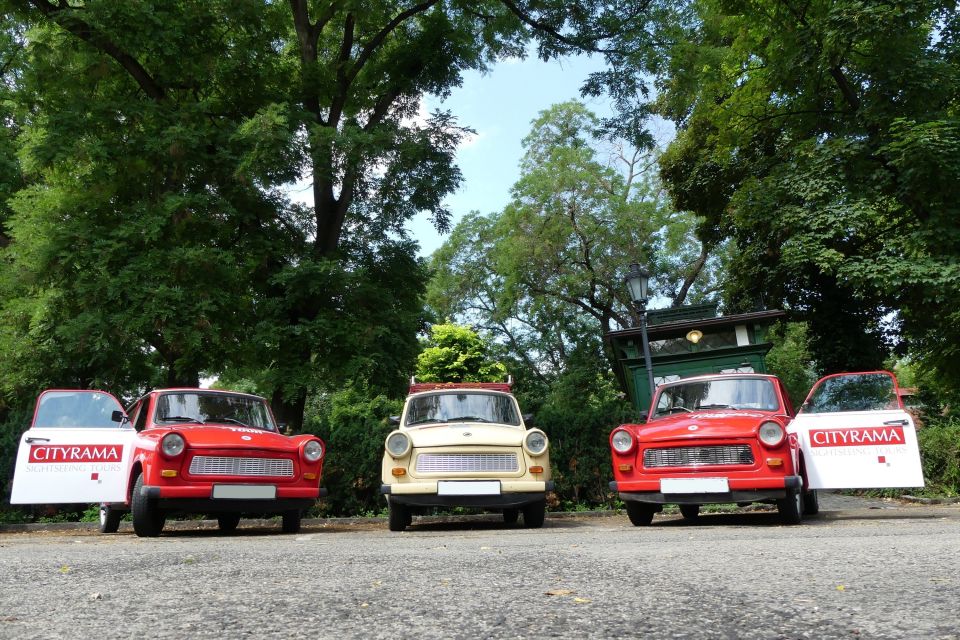
- An original Trabant 601: You’re not doing a theme-park photo stop. You’re in the experience.
- Small group size (up to 3): More room for questions, less waiting around.
- Two sightseeing modes: Communist-era stops are the focus, but you can also choose a more standard tour vibe.
- Driver-license requirement: If you want to drive, bring your valid license and make it clear.
- Photo magnet factor: People will notice the car as you roll by, which adds to the fun.
Why This Trabant Tour Feels Different Than Usual Sightseeing
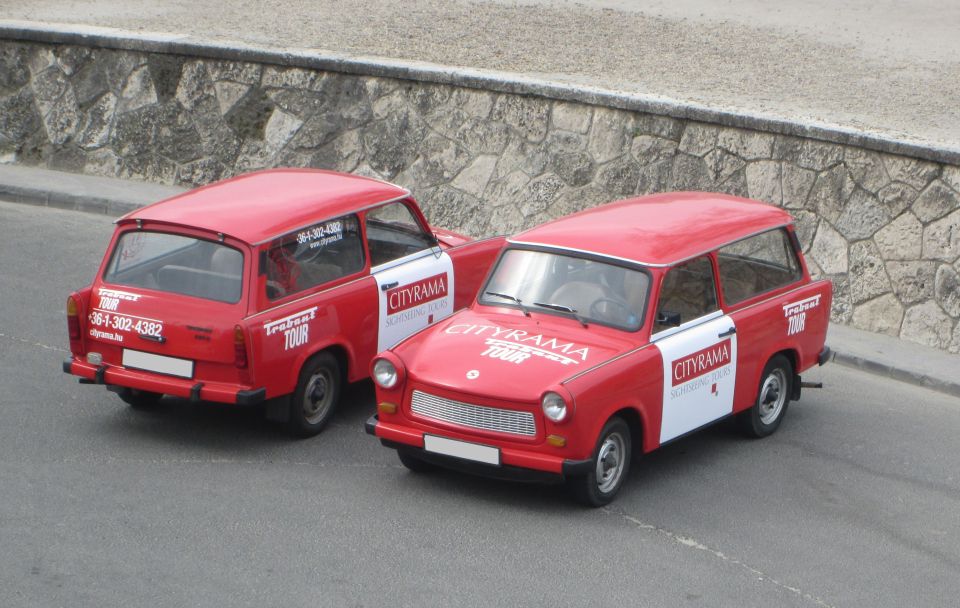
Budapest is full of great sights, but most tours are built around walking plus commentary. This one swaps the usual rhythm for driving. That matters because you don’t just hear about the communist-era cityscape—you move through it at street level, with the sights arriving in a steady stream, like you’re scanning a time capsule while traffic does its thing.
The Trabant itself is part of the story. The car’s reputation comes from the fact that it was mass-produced in the communist period, and it’s famously associated with the “paper Jaguars” nickname (that nickname is tied to the car’s lightweight, plastic-like feel). It’s also the kind of vehicle that turns strangers into curious onlookers. You’ll often feel like the center of attention, not because of a staged show, but because the car is so unusual you can’t blend in.
And then there’s the guiding. The tour’s best moments aren’t just the “here’s a landmark” facts. They’re the explanation of what you’re seeing and why it reflects how people lived—plus the way the guide answers questions in clear English. In one case, I saw how effective the guiding can be when Andre (the guide name that came up) shared real passion for the city and made the whole route feel personal, not scripted.
Still, this is not a big modern vehicle comfort-wise. If you’re bringing your tallest friend, think about space in a small, old car. And if you’re expecting a perfectly smooth mechanical experience, keep your expectations flexible.
You can also read our reviews of more tours and experiences in Budapest


The 3 Hours: How the Ride Becomes a Real Route
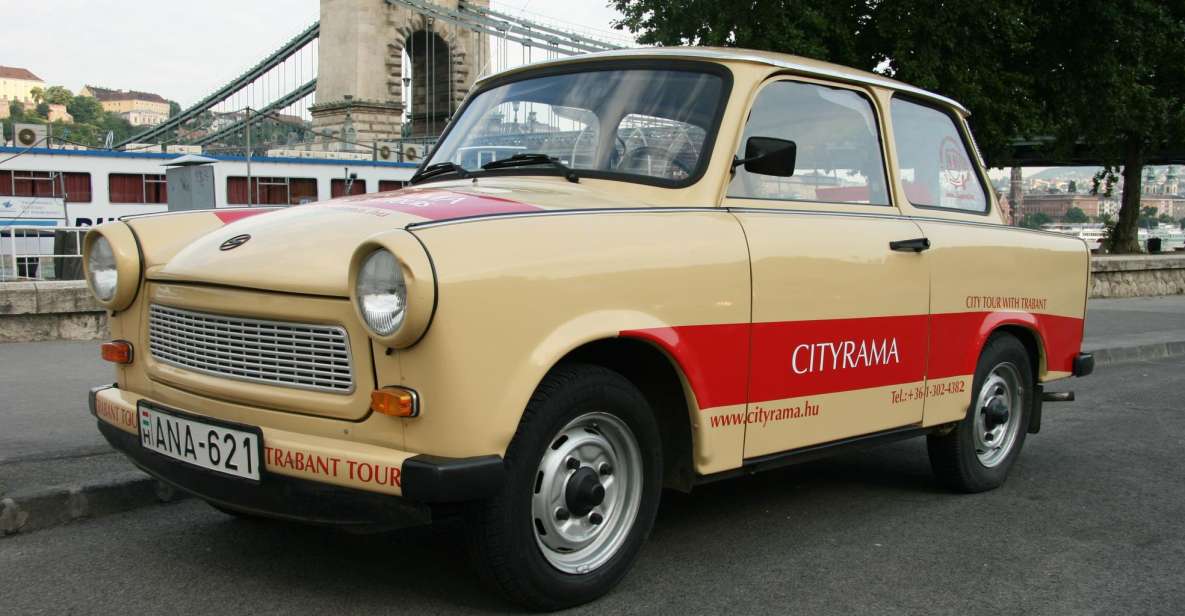
This is a 3-hour tour with pickup included from your accommodation inside Budapest. The schedule is built for one main goal: get you into the city with enough time to see multiple stops, not just cruise past one highlight.
In practice, you can think of the tour as three phases:
First, there’s the pre-drive moment. You’ll get set up to drive the Trabant (if you’re licensed and planning to do so). This step isn’t just paperwork; it’s where you learn the basic “how it works” routine so you don’t feel lost once you’re rolling.
Next, you drive through the city while your guide steers the conversation toward what you’re seeing. If you choose the communist focus, you’ll head toward key reminders of the era—monuments, planned housing, and the everyday city feel that comes from how buildings were put together in those decades.
Finally, the tour wraps with a return toward central pickup points. Even without an official minute-by-minute plan in front of you, the flow is designed so you leave with more than a few photos—you leave with a route-based understanding of how different parts of Budapest tell different stories.
One practical note: a short tour is tight by definition. It’s great for value, but it also means that if anything interrupts the car, your time can compress. In at least one real-world instance, the tour finished a bit early after a car issue—so plan this as a highlight, not as something you must stack immediately next to another time-sensitive event.
Behind the Wheel: Fuel Tap, Dip-Stick, and That 2-Stroke Feel
If you’re going to drive, treat that part like your mini lesson. The car setup is part of the charm, and it also affects how confident you feel when you pull away.
Here’s what you should be ready for: you’ll start by checking the fuel dip-stick to make sure the tank isn’t empty, then you open the fuel tap. After that, you push down the clutch pedal, shift to first gear, and then you’re on the move. It’s old-school driving, and you’ll feel the difference immediately compared with modern cars.
Power-wise, this is a small 2-stroke engine setup—about 26 horsepower, with the car described as taking around 21 seconds to reach 0–60 kilometers per hour. That doesn’t mean it’s broken; it’s just a reminder that this vehicle is about motion and personality, not speed. The goal is to enjoy the pace and the street views as you go.
One more thing: the requirement for driving is a valid driving license. That’s not “nice to have.” It’s part of the rules. Also, don’t assume driving will happen automatically. Some people expect to drive but aren’t prompted in advance. Your best move is to tell your pickup point or your guide at the start that you want to drive, and confirm it clearly before you’re out on the streets. Bring your license so there’s no last-minute snag.
Communist-Era Stops: What You’ll See (and Why It Matters)
The communist version of this tour is built around three “anchors” you can’t get from a quick photo stop. These are the kinds of locations that help you understand why certain areas of Budapest look the way they do.
Communist Statue Park
The Communist Statue Park is the big “wow” stop for this theme. It’s where the era’s public art and political symbolism show up in a concentrated way. Standing near these monuments gives context for the way ideology was displayed—sometimes loudly, sometimes with a heavy, staged feeling. If you like history that you can point at, this is the kind of place that makes your guide’s explanations click.
What I like about starting with an area like this is that it gives you a mental frame early. Then when you see housing blocks and everyday neighborhoods later, you’re not just recognizing buildings—you’re connecting them to planning choices and the era’s priorities.






Ecseri Flea Market
Then there’s Ecseri flea market, which adds a completely different layer. Even if your focus is politics and monuments, the flea market side of the tour helps you remember that cities aren’t only about grand statements. They’re also about trade, browsing, and ordinary life. Your guide can explain how that kind of place fits into the broader Budapest story, especially when you’re thinking about the decades that shaped the city’s layout and daily rhythms.
The only “consideration” here is that flea markets tend to be more active and less structured than monument parks. If you prefer quiet, stationary sightseeing, you’ll still get value—but expect more motion, more people, and a busier atmosphere than a museum-like stop.
1970s and 1980s Prefab Housing Blocks
The third anchor is the typical prefab apartment blocks built in the 1970s and 1980s. These buildings are important because they represent large-scale planning: how cities handled housing needs, how districts expanded, and what the daily environment of many residents was like.
The value isn’t just architectural. It’s perspective. When you look at these flats from a driving viewpoint, you start to see how they affect the street feel—what kind of spaces feel open, what feels enclosed, and how daily routes likely formed around these districts.
Want a More Normal Budapest Route? You Can Do That Too
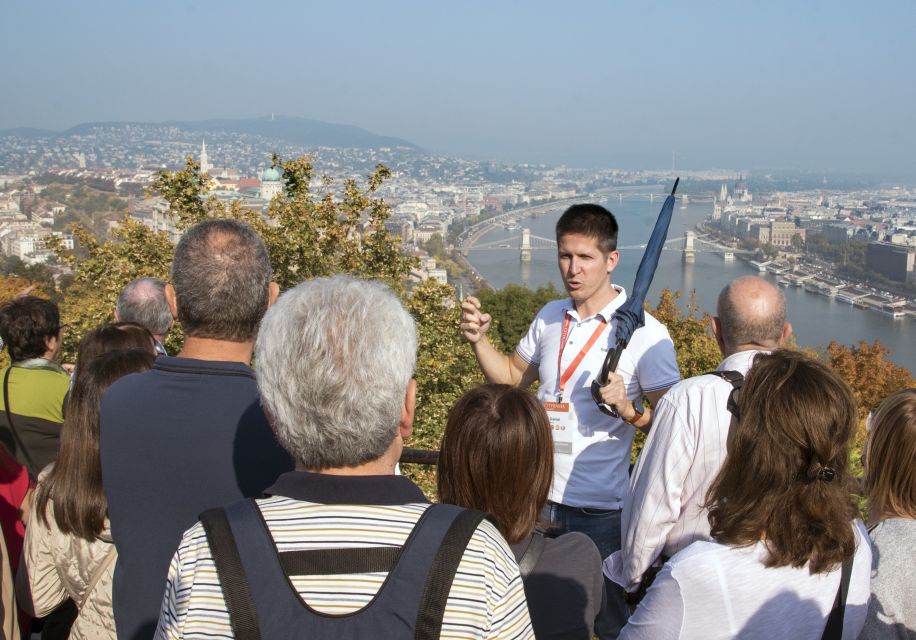
This tour isn’t a one-way ticket into communist-only themes. You can also choose a more normal city tour that leans into major city attractions rather than focusing strictly on the communist-era stops.
That flexibility matters for two types of visitors:
- If you’re mostly here for classic Budapest highlights, the Trabant experience can be the playful transportation bonus while your guide still brings you to the “big” sights you’ll want to see.
- If you’re curious about the communist theme but you’re not sure you want a full concentration of monuments and ideology, the option to shift makes the tour feel less rigid.
I like having a theme but not being trapped by it. It keeps the experience balanced, so you can match it to your own interests for the day.
Small Group Comfort: Space in the Back and Photo Magnet Energy
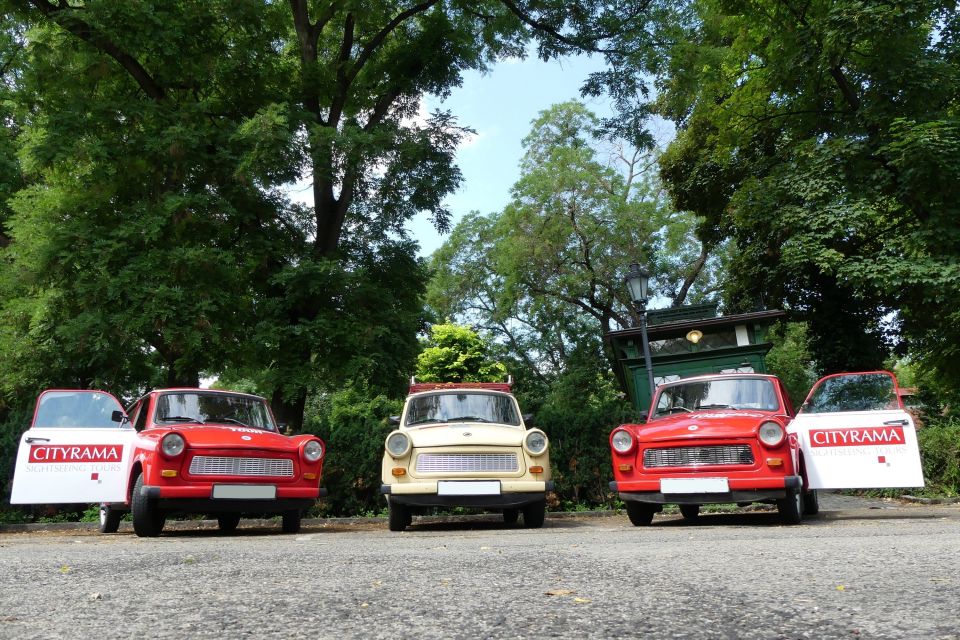
This is a small group tour limited to 3 participants, which is a major quality-of-life advantage. Fewer people means the guide can actually look at you, answer questions, and adjust the pacing without herding a crowd.
But let’s talk about the big trade-off: the car is old and small. One real warning that matters: if your group includes tall people, the back seat can feel tight. That’s not a complaint about the guide. It’s just physics and vehicle size.
The good news is that the car also brings a different kind of fun. You’ll likely notice people watching and taking photos as you drive. That adds an energy boost to the trip—like your sightseeing is happening inside a moving photo story.
Price and Value: What $294 Per Group Really Means
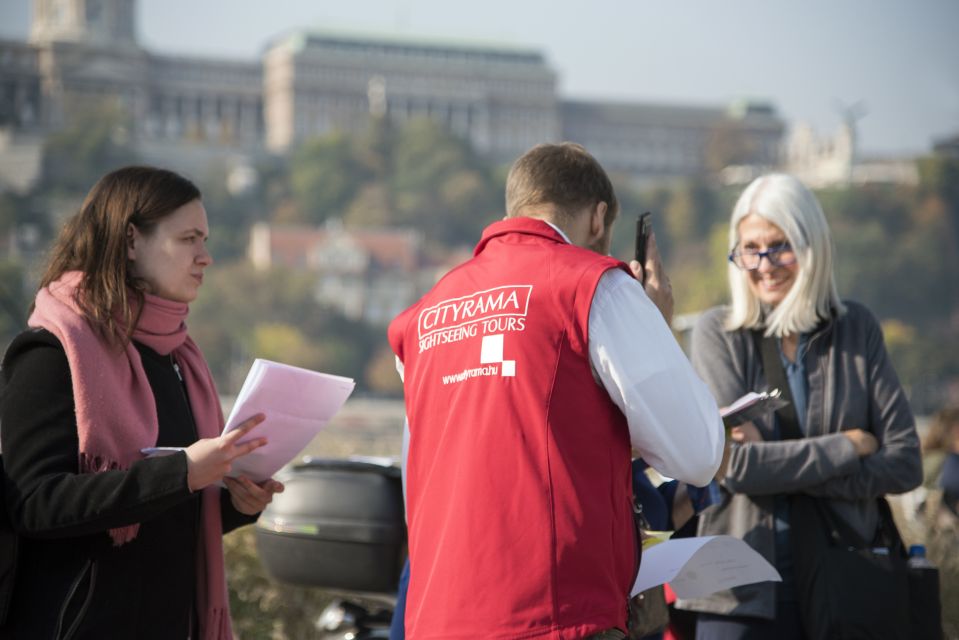
The price is $294 per group up to 3, lasting 3 hours. That pricing structure is interesting because your cost per person drops as your group fills the car. For example, if you go with two other people, you split the total and the per-person share becomes noticeably better than paying the price as a solo traveler.
Why I think it’s fair value: you’re paying for more than transport. You’re paying for a professional guide in English, pickup service across Budapest, and the unique vehicle experience that isn’t available as standard sightseeing. If you’re willing to trade a normal bus for a Trabant, that uniqueness is exactly what you’re paying for.
So the question becomes: do you want a once-in-a-lifetime type car story paired with city context? If yes, this tour fits the budget logic. If you only want a classic sightseeing route and you don’t care about driving or the vibe, you’ll probably find cheaper options.
Also, remember the car is old. That’s part of the value too. But it’s also part of why you should keep your plans flexible around timing.
Optional Airport Transfer: Extending the Trabant Day
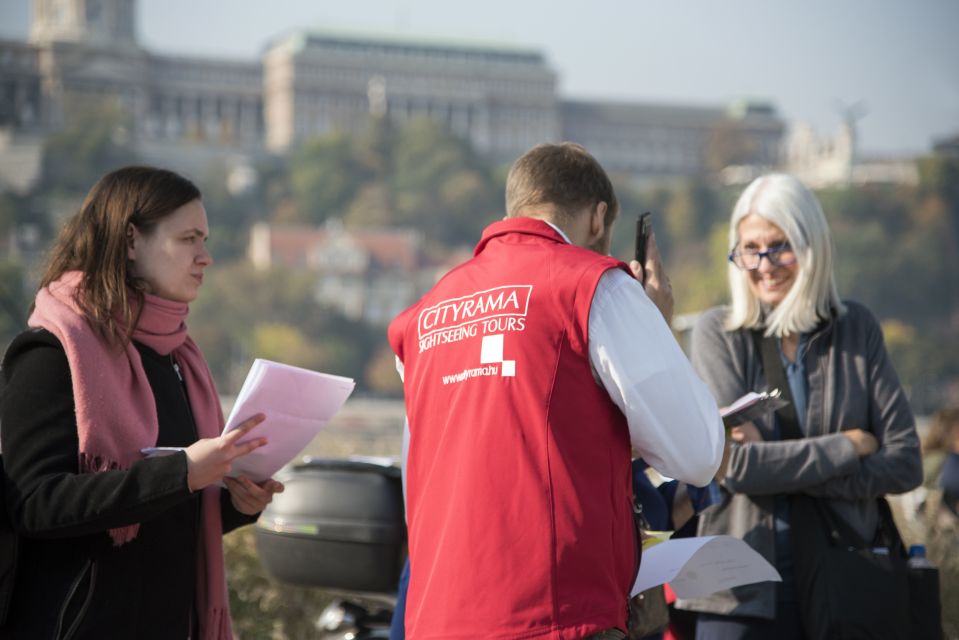
If you fall in love with the experience, there’s also an optional airport transfer in a Trabant. That can be a great way to keep the novelty going from arrival into your Budapest stay—or to end your trip with one last photo-worthy ride.
The only thing to note is that it’s optional, so think of it as a bonus add-on rather than the core of the 3-hour sightseeing plan. And if you’re planning to drive during the tour, you’ll want to track your license needs for any added driving segments.
What I’d Ask Before You Book
If you want the smoothest experience possible, I’d do three simple things:
- Confirm whether you’ll be able to drive (and not just ride). Some groups can assume it’s included, but you’ll avoid disappointment by asking upfront.
- Bring your valid driving license if you plan to drive.
- Plan for the reality that the car is small and old. That’s not a dealbreaker, but it helps you set expectations.
If you do those, you’ll get the best version of this tour: the fun driving, the humor and curiosity of people watching the car go by, and the guided explanations that make communist-era architecture and monuments feel understandable.
Should You Book This Trabant Experience?
Book it if you want Budapest in a format that’s active and unusual. This tour is strongest when you’re curious about the communist-era parts of the city and you like learning by moving through neighborhoods rather than only stopping at viewpoints. I’d especially recommend it to couples or small groups who enjoy quirky experiences and want something more memorable than another walking loop.
Skip it (or choose a different option) if you need maximum comfort, you’re traveling with very tall people who can’t handle cramped seating, or you’re planning a strict schedule where any mechanical hiccup would ruin your day. The car’s age is part of the charm, but it does mean you should stay flexible.
If you fall into the “I want the story, not just the photos” category, this is a fun bet. The Trabant is the headline, but the real win is how the guide turns what you see—statues, prefab flats, and market life—into a route you understand.
FAQ
How long is the Budapest Trabant sightseeing tour?
It’s a 3-hour tour.
What is the group size?
The tour is limited to a small group of up to 3 participants.
Where does pickup happen?
Pickup is included from any accommodation in Budapest (hotels, apartments, Airbnb, or private addresses within Budapest).
Is an English-speaking guide provided?
Yes, the tour includes a live English guide.
Do I need a driver’s license?
If you plan to drive the Trabant, you need a valid driving license.
What sights does the tour focus on?
It can focus on communist-era Budapest landmarks such as the Communist Statue Park, the Ecseri flea market, and 1970s–1980s prefab apartment blocks. You can also opt for a more normal city highlights route.
Is the Trabant included in the tour?
Yes, the tour includes a Budapest sightseeing ride in an original Trabant.
Can I add an airport transfer?
Yes, there’s an optional airport transfer available in a Trabant.
Is free cancellation available?
You can cancel up to 24 hours in advance for a full refund.