REVIEW · BUDAPEST
Budapest 3-Hour Walking Tour in Italian
Book on GetYourGuide →Operated by Tourist Angel · Bookable on GetYourGuide
Three hours, two sides of Budapest. I really like the Italian-speaking guide who turns big-name monuments into an easy story, and I really like the St. Stephen’s Basilica stop, which makes a strong first impression. The main catch is that public transport tickets cost extra (4 tickets/person, 1400 HUF).
You meet next to Saint Stephen’s Basilica in front of California Coffee Company, then you work your way through the oldest parts of Pest and into the Castle Quarter. From what I’ve seen in guide feedback, leaders like Caterina, Katalin, and Elisabetta tend to be prepared, kind, and confident in Italian, so you get real explanations instead of silent sightseeing.
In This Review
- Key Things You’ll Remember From This Italian-Led Walk
- Getting Oriented: St. Stephen’s Basilica, Then Straight into Pest
- Pest Highlights: How the Center of the City Sets the Stage
- Danube Crossing by Metro and Bus: Efficient, Not Fancy
- Royal Palace, President’s Palace, and the Castle Quarter: Power on the Hill
- Matthias Church and Fishermen’s Bastion: Gothic Details and Big Views
- How 1,100 Years of Hungarian Change Fits Into Three Hours
- Price and Value: $41 for a Short, High-Impact Route
- Practical Comfort: Shoes, Dress Code, and Walking Pace
- Who Should Book This Budapest Italian Walking Tour?
- Should You Book This Tour or Skip It?
- FAQ
- How long is the Budapest walking tour in Italian?
- Where is the meeting point?
- What language is the guide?
- What is included in the price?
- Is public transport included?
- What sites will we see?
- What should I bring?
- Are there any dress code rules?
- Can I get a refund if my plans change?
Key Things You’ll Remember From This Italian-Led Walk
- Italian explanations that connect monuments to Hungary’s 11 centuries of change
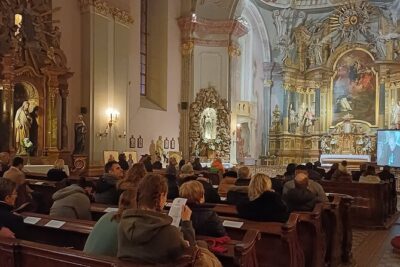
- St. Stephen’s Basilica as a memorable anchor point at the start
- Buda Castle and the Castle Quarter views and landmark stops on the Buda side
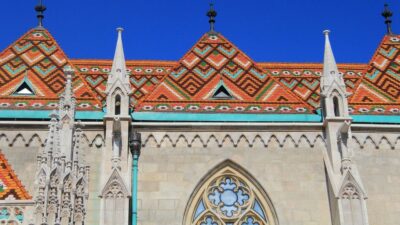
- Matthias Church’s Gothic architecture as a standout moment
- A Danube crossing by public transport instead of a long detour
- The option for private or small groups, which helps if you want more back-and-forth questions
Getting Oriented: St. Stephen’s Basilica, Then Straight into Pest
This tour is built for momentum. You start right beside Saint Stephen’s Basilica, next to it and in front of California Coffee Company, so you’re not hunting for a bus stop or trying to decipher a map before you even begin. The first minutes matter on a short tour like this, and the location makes it easy to show up, regroup, and start walking with your bearings already set.
From there, you focus on the center of Pest and the approach toward the Danube crossing. The walk is mainly on foot, but you don’t force everything to be “all walking” in the name of efficiency. You’ll use public transport (metro and bus) to cross from Pest to Buda, which keeps the pace realistic over just three hours.
I also like that the guide’s job isn’t just to name places. The tour is structured around understanding what you’re seeing—so the basilica isn’t just a photo stop. It’s part of a larger timeline, and that helps the city feel less like a list of monuments and more like a place with a long, complicated storyline.
You can also read our reviews of more walking tours in Budapest



Pest Highlights: How the Center of the City Sets the Stage
On the Pest side, you’re in the part of Budapest where the city feels like it moves fast. Even if your feet slow down, the area around major sights keeps your attention on what Budapest looks like today.
In this segment you’re expected to see the big anchors named in the route: the Royal Palace area highlights, the President’s Palace, and the broader Castle Quarter approach later on. On the Pest side, the emphasis is on getting you from “I know these are famous” to “I know why these places matter.”
That’s where the Italian-speaking guidance earns its keep. With a good guide, you don’t just hear dates—you learn how Hungary’s story shifted over time, from conquest-era beginnings all the way to the most recent democratic changes. That kind of framing matters because it changes how you interpret the skyline and the architecture. Instead of “wow, pretty buildings,” you start noticing the patterns: where power sat, where the city defended itself, and how Budapest’s identity got layered across centuries.
If you’re visiting for a weekend, or you only have a single afternoon to understand the layout of Budapest, this is the right kind of route. It doesn’t try to cover everything. It picks the strongest beats and connects them.
Danube Crossing by Metro and Bus: Efficient, Not Fancy
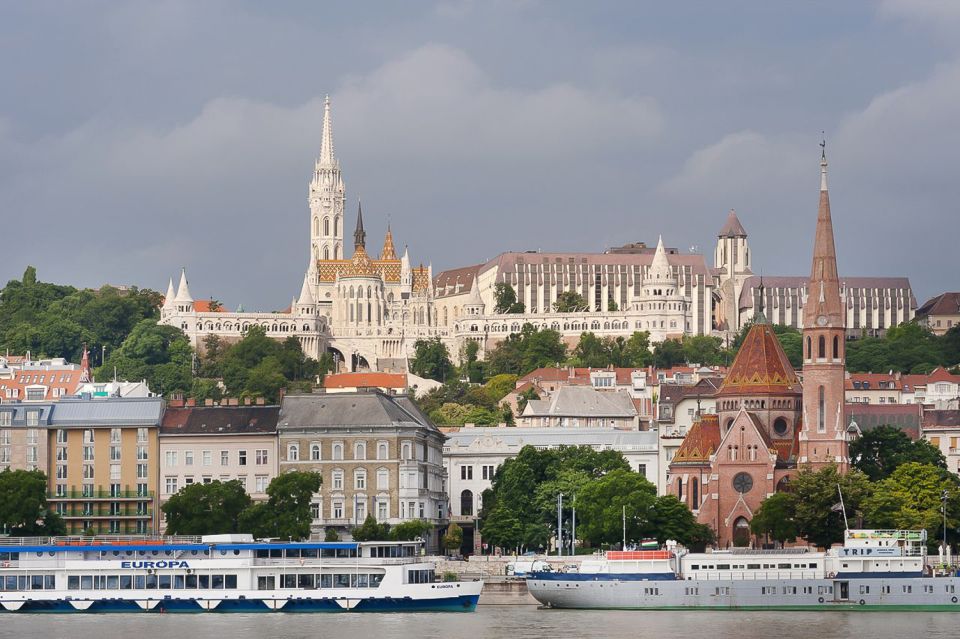
One of the smarter practical choices on this tour is the public transport crossing. You’re not just walking along the river and hoping you’ll catch the right angle at the right time. You’re crossing the Danube with the city the way locals do—by metro and bus—and that saves time for more stops.
One thing to plan for: transport tickets are not included. The tour specifies 4 tickets/person for 1400 HUF, so if you want zero surprises, budget for that at the start. It’s still good value when you factor in the guide’s time and the number of landmarks you hit in only three hours, but it’s worth treating as a real cost, not a vague “maybe later.”
This approach also helps you avoid the common short-trip problem: running out of energy before you reach the viewpoint places. The crossing is built into the itinerary logic, so you arrive on the Buda side ready to see the Castle Quarter sights without feeling like you’ve already done the hardest part.
Royal Palace, President’s Palace, and the Castle Quarter: Power on the Hill
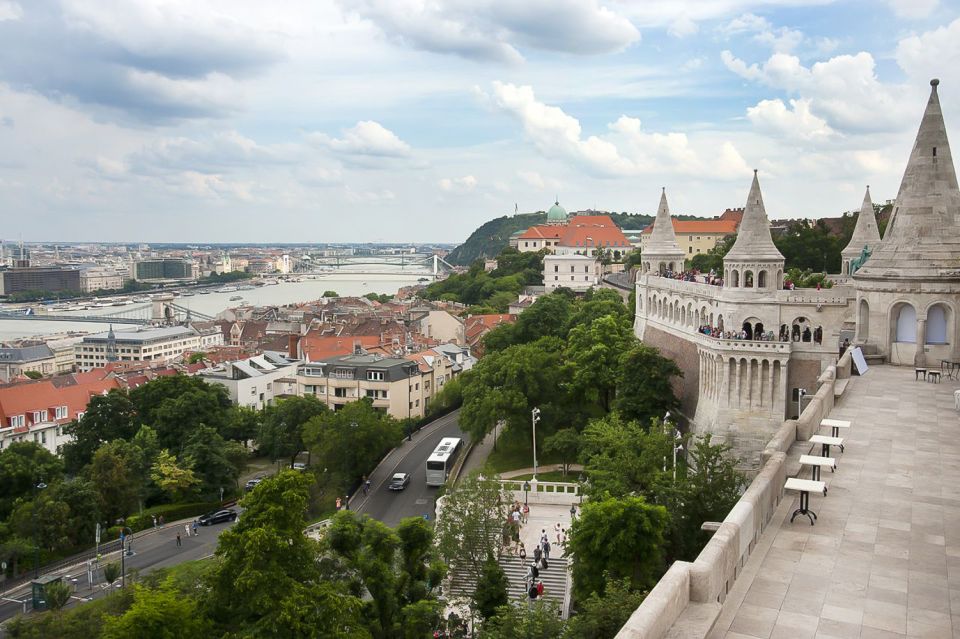
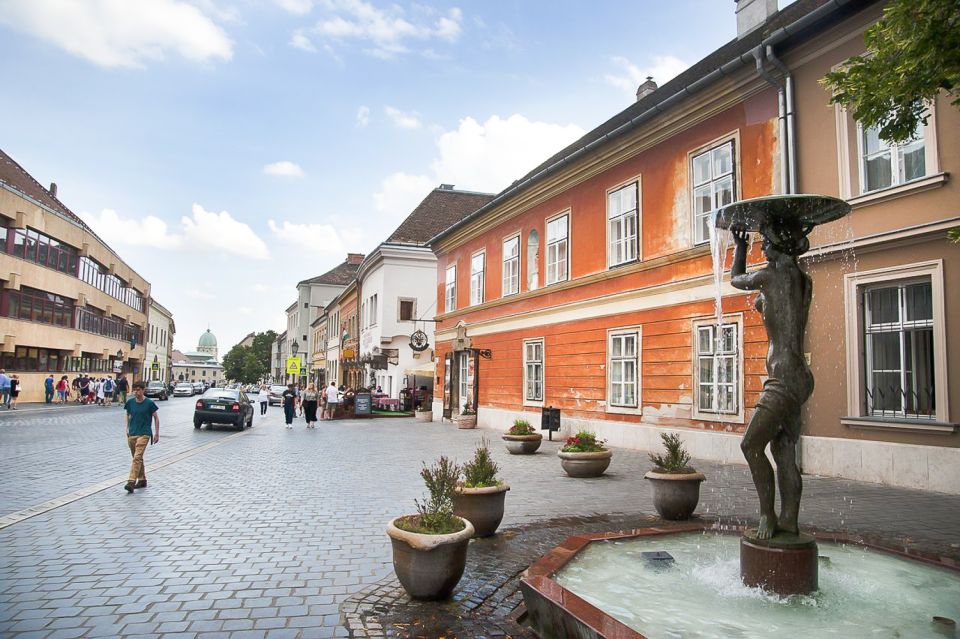
Once you reach Buda, the mood shifts. The terrain and the architecture make it clear why this area mattered historically. The route brings you toward the Buda Castle area and the Castle Quarter, and that’s where Budapest starts to look like a city shaped by defense, governance, and long memory.
You’ll also see key landmark names: the Royal Palace and the President’s Palace. Even if you don’t go inside these buildings (the tour info focuses on sightseeing), seeing them in context is useful. It’s one thing to recognize the names from photos. It’s another thing to look at them from the ground where they dominate the landscape and understand that this hill was the center of authority for centuries.
What I like here is how the guide’s story connects architecture with politics without turning it into a lecture. The tour is timed to stay moving, and the explanations are meant to help you connect spots you might otherwise treat as separate postcards.
If you’re the type who enjoys cities for their planning—where power sits, where the streets lead, how the river influences movement—this portion can feel especially satisfying. And if you’d rather keep it lighter, the pace is still set up so you can ask questions and get answers in real time rather than letting the tour speed past you.
Matthias Church and Fishermen’s Bastion: Gothic Details and Big Views
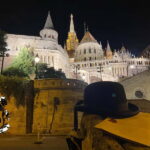
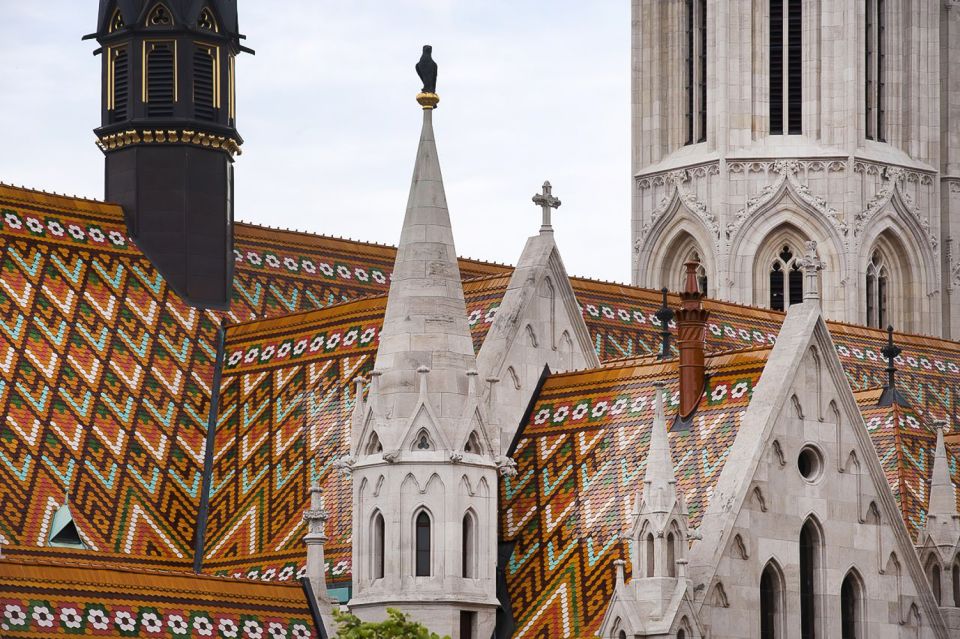
The most visually memorable part for many people is the cluster around Matthias Church and Fishermen’s Bastion. Matthias Church is called out specifically for its Gothic architecture, and that’s a solid reason to pay attention here. Gothic details are the kind of thing you notice more when someone points out what to look for—shape, style, and how the building reads against the sky.
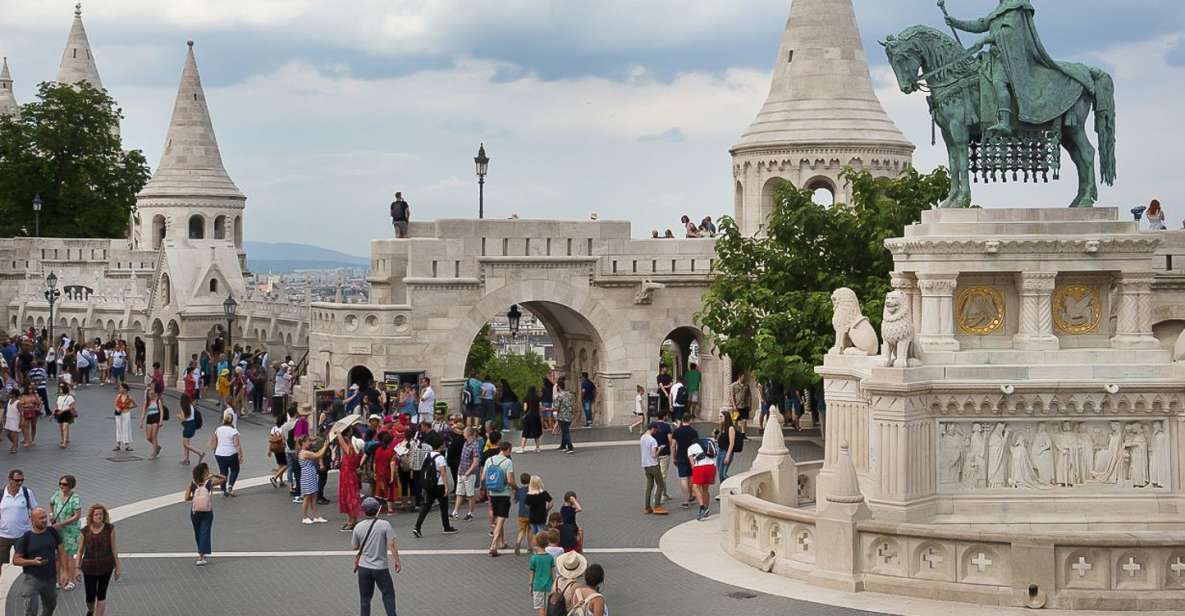
Then Fishermen’s Bastion comes in with the payoff views. The tour names it as a highlight, and the location is one of those “Budapest from above” moments that instantly helps your brain understand the city layout. You start to see how Pest and Buda really relate: the river becomes the divider and the connector at the same time.
A good guide makes this section feel less like standing still and more like “aha.” They’ll tie what you’re seeing to the wider 1,100-year timeline, so the viewpoint isn’t only pretty—it becomes part of the story of how Budapest grew and changed.
Also, this is a great place for questions. If you want context about how Hungary’s political shifts show up in monuments, you’ll get better answers if you ask while you’re standing in front of the building and the guide can point to visible clues.
You can also read our reviews of more tours and experiences in Budapest





How 1,100 Years of Hungarian Change Fits Into Three Hours
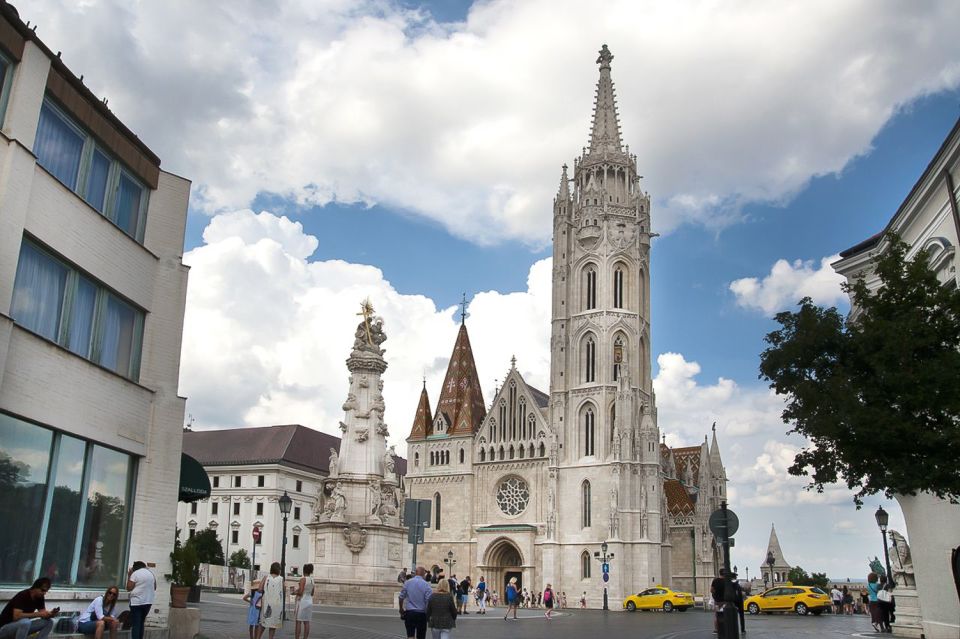
The tour aims to cover a lot: from the conquest era to the most recent democratic changes—over roughly 1,100 years—all while walking through the oldest parts of Budapest. That sounds like a lot for one afternoon, and you’ll only be able to take away the big themes. Still, it works because the tour structure uses real sites to anchor each era.
The guide’s job is basically translation. You’re seeing monuments that survived, transformed, or were reinterpreted over time. Without someone to explain the transitions, you might miss the point. With an Italian-speaking guide doing clear connections, you leave with a stronger mental timeline, so future sightseeing in Budapest feels easier.
One detail I took from guide feedback is that the best leaders don’t just rush through the names. Guides such as Caterina and Katalin are described as prepared and very helpful, with explanations that make the city easier to grasp. Elisabetta also stood out for giving a lot of information in very fluent Italian. That’s important because language is part of the experience here; it determines how much of the story you can actually follow.
If you enjoy learning while walking, this tour hits a good balance: you move through key places, you get context, and you still have time to look around on your own.
Price and Value: $41 for a Short, High-Impact Route
At $41 per person for a 3-hour guided walk, this is the kind of price point that makes sense for a first-time Budapest visit. What you’re paying for isn’t just walking past buildings—it’s a live Italian-speaking guide who helps you decode what you’re seeing across Pest and Buda.
You do have to add the transport cost: public transport tickets are not included, listed as 4 tickets/person (1400 HUF). That doesn’t make it bad value; it just means your all-in budget should account for it from the start. Once you factor that in, you get a guided route that hits the most recognizable landmarks named in the tour: St. Stephen’s Basilica, Buda Castle, Royal Palace, the President’s Palace area, Castle Quarter, Matthias Church, and Fishermen’s Bastion.
This tour also tends to be a good fit when time is tight. The route is concentrated, and the Danube crossing is handled efficiently with transit. If you’re trying to pack “see the highlights + learn the context” into a single half-day, this is a sensible way to do it.
Where it’s less ideal is if you want lots of free time at each stop or you plan to spend a lot of time going inside buildings. The experience is built to move and explain, not to linger for hours at one site.
Practical Comfort: Shoes, Dress Code, and Walking Pace
Bring comfortable shoes. That’s the only explicit requirement, and it’s the one that will save your evening. The tour is mainly on foot, and Budapest’s historic areas reward good footwear because you’ll spend time walking and repositioning for viewpoints.
There’s also a clothing rule you should respect: no shorts and no sleeveless shirts. This matters because historic churches and official-looking areas can be strict about what people wear. If you show up in casual summer clothes that violate the rule, you may be asked to adjust before joining.
If you’re traveling in warmer months, consider light layers you can manage while still following the dress code. If it’s colder, dress warmly but keep your outfit consistent with the no-sleeveless/no-shorts guidance.
One more practical point: because the tour language is Italian, it’s worth having at least a basic ability to follow spoken explanations. If you’re not comfortable with Italian, you may still enjoy the visuals, but you’ll lose the benefit of the guide’s historical linking and answers.
Who Should Book This Budapest Italian Walking Tour?
This tour fits best if you want:
- A short, structured introduction to Budapest’s main sights
- Italian-language guidance and Q&A (a guide who answers questions is part of the experience)
- A route that covers both Pest center and the Buda Castle area without making you plan transit yourself
- A guided way to understand the big picture: 11 centuries of change tied to where you stand
It’s especially appealing if you prefer a guided story over wandering with a map. And if you’re the type who likes the “why” behind monuments, the payoff is strong: you’ll be seeing famous locations and also understanding how the city’s identity got shaped.
If you need lots of time at one museum or you want a relaxed pace with minimal explanation, you might prefer a different format with fewer stops. But for an efficient orientation plus context, this is a solid choice.
Should You Book This Tour or Skip It?
I’d book it if your priority is getting oriented fast and learning the Hungarian story through the most iconic sights—Basilica, Castle Quarter, Matthias Church, and Fishermen’s Bastion—without spending your whole day on logistics. The Italian-speaking guide is the real value here, and the feedback around guides like Caterina, Katalin, and Elisabetta points to clear, friendly explanations.
I’d hesitate only if you strongly dislike guided walking, can’t meet the simple dress rule, or your schedule can’t handle an extra transport payment for the Danube crossing. Otherwise, for a first visit or a short stay, it’s one of those tours where you end up feeling like Budapest makes more sense right away.
FAQ
How long is the Budapest walking tour in Italian?
The tour lasts 3 hours.
Where is the meeting point?
You meet next to Saint Stephen’s Basilica, in front of California Coffee Company.
What language is the guide?
The live tour guide speaks Italian.
What is included in the price?
The price includes an Italian-speaking tour guide.
Is public transport included?
Public transport tickets are not included. You’ll need to buy tickets separately (4 tickets/person, 1400 HUF).
What sites will we see?
The tour includes stops such as St. Stephen’s Basilica, the Royal Palace, the President’s Palace, the Castle Quarter, Matthias Church, and the Fishermen’s Bastion.
What should I bring?
Wear comfortable shoes.
Are there any dress code rules?
Yes. Shorts and sleeveless shirts are not allowed.
Can I get a refund if my plans change?
You can cancel up to 24 hours in advance for a full refund.