REVIEW · BUDAPEST
Budapest: Auschwitz Birkenau Private Day Tour
Book on GetYourGuide →Operated by EuropaAdventure · Bookable on GetYourGuide
A day like this leaves an imprint fast. This Budapest to Auschwitz-Birkenau private tour is built for focused remembrance: you get hotel pickup, a long but organized drive, and a guided visit through Auschwitz I and Auschwitz II-Birkenau with time to process what you see. I also like that the day includes both a live guide experience and an English audio guide, so you’re not left trying to decode signs by yourself.
Here’s the main drawback to consider: this is a long, emotionally heavy day, and communication can matter. The tour is advertised with English support, but if you’re sensitive to language clarity, I’d confirm what the driver and guide will each cover before you go.
In This Review
- Key points to know before you book
- A Private Budapest–Auschwitz Day: Why 16 Hours Can Feel Long
- Hotel Pickup and the 6-Hour Road to Auschwitz-Birkenau
- Skip-the-Line Entry and the English Guide Plan That Keeps Things Moving
- Auschwitz I: Political Prisoners, Barracks, and the Slow Weight of Details
- Auschwitz II-Birkenau: Scale, Ruins, and What the Missing Pieces Suggest
- Your Up-to-3.5-Hour Guided Visit: How to Use the Time Well
- Lunch, Reflection, and the 1-Hour Reset You’ll Appreciate
- Driver Assistance, Private Group Comfort, and One Real-World Caution
- Price vs Value at About $550: What You’re Really Paying For
- Who This Tour Is Best For (and Who Should Think Twice)
- Should you book this Auschwitz-Birkenau private tour from Budapest?
- FAQ
- How long is the Budapest to Auschwitz Birkenau private day tour?
- Do I get picked up and dropped off in Budapest?
- Is lunch included?
- How long will I be inside the Auschwitz and Birkenau sites?
- Are skip-the-line tickets included?
- Is there a guide, or is it self-guided?
- Is this a private group tour?
- Can I cancel for a refund?
Key points to know before you book
- Skip-the-line entrance + tickets included: less waiting time on arrival to use your limited hours inside.
- Up to 3.5 hours in the camps: enough time for a guided route plus quiet attention.
- Auschwitz I and Auschwitz II-Birkenau: political-prisoner history plus the larger Birkenau site tied to Jewish and Romani inmates.
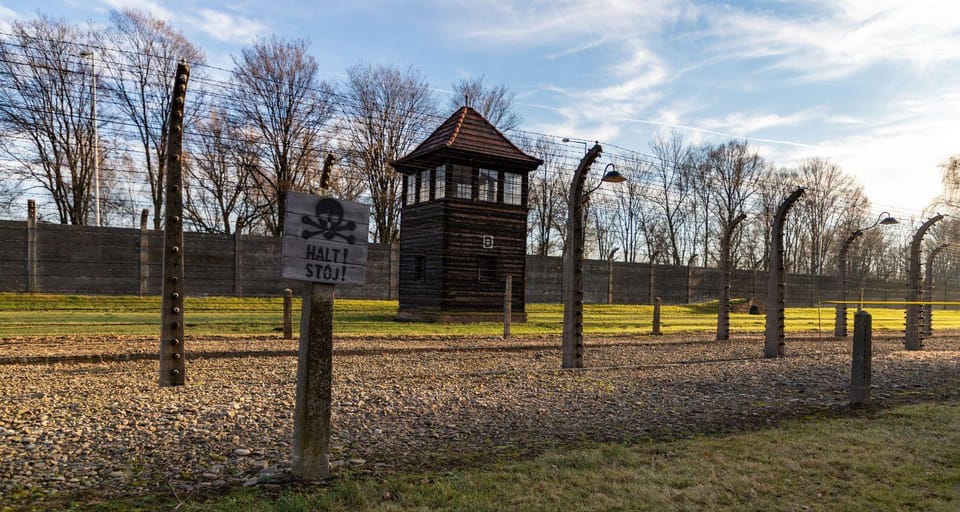
- Auschwitz ruins you’ll actually see: barracks, watchtowers, and crematorium areas, including the gas chamber ruins.
- Private group comfort: hotel pickup and drop-off with an air-conditioned vehicle for the long road.
- One-hour breather for lunch or reflection: built-in reset time, even though lunch isn’t included.
A Private Budapest–Auschwitz Day: Why 16 Hours Can Feel Long
This is not the kind of trip where you pop out for a photo and call it a day. It’s a full 16-hour schedule built around a journey from Budapest to one of the most difficult places in Europe to visit.
The upside is focus. You’re not piecing together trains, transfers, and last-minute tickets. You’re also not stuck at the wrong angle when you arrive. With hotel pickup and drop-off, you start with your time intact: no hunting for a meeting point, no scrambling after a long drive.
Still, the day is long. You should go in with a steady mindset: plan for fatigue, plan for emotions, and plan for silence in your own way. This tour doesn’t “spare” you from the reality of what happened. It just gives you structure so you can make sense of it as you go.
You can also read our reviews of more private tours in Budapest


Hotel Pickup and the 6-Hour Road to Auschwitz-Birkenau
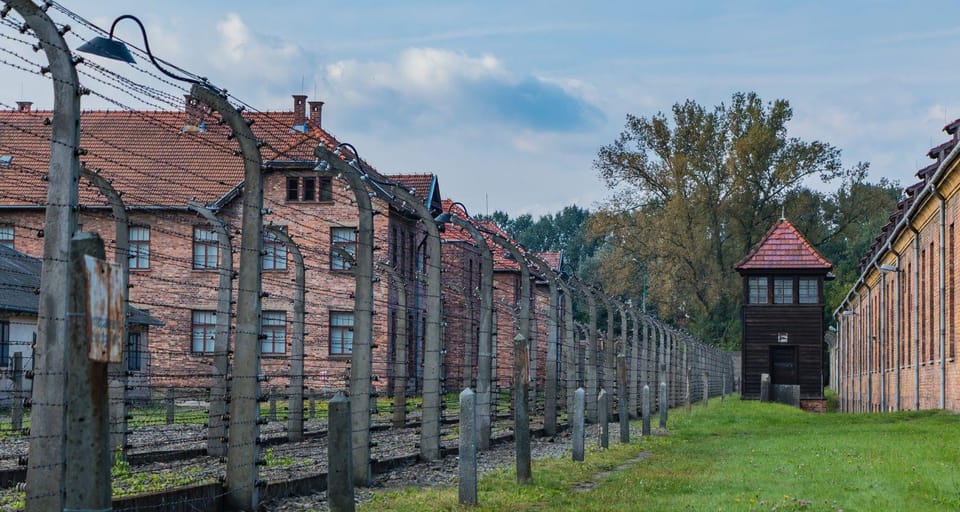
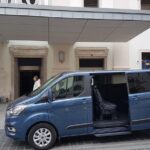
Your day typically begins with early morning hotel pickup in Budapest, followed by a 6-hour drive in a high-quality air-conditioned vehicle. Along the way, there are occasional stops so you can stretch and reset.
That drive length matters more than you might think. Auschwitz isn’t a quick detour. The earlier start helps you reach the camps with enough time for the visit itself, and the vehicle comfort is a practical part of the experience—especially if you’re traveling in cooler months or you run warm easily.
If you want to prepare, I’d do two simple things before you leave your hotel: eat something light (since lunch isn’t included), and bring a bottle of water. Then let the day unfold. The hardest part often isn’t the walking. It’s the mental shift from your city day to a memorial day.
Skip-the-Line Entry and the English Guide Plan That Keeps Things Moving
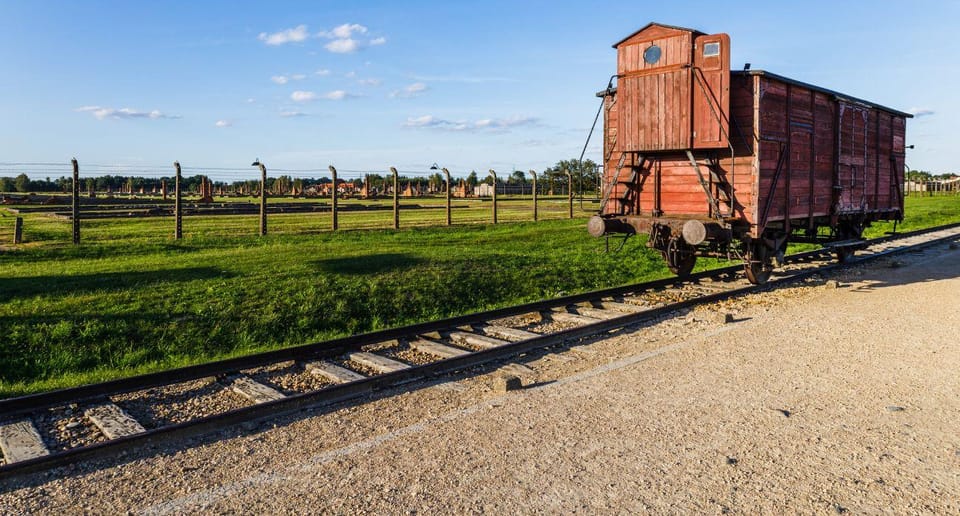
Once you arrive, the tour includes skip-the-line entrance plus entrance tickets for Auschwitz and Birkenau. In theory, that means less time queued up and more time inside where your guide is taking you through the sites.
You’ll also travel with a live tour guide (English) for the main walk-through. There’s also an English audio guide included, which is handy if you want to re-check a section at your own pace while still following the overall route.
The strongest value here is clarity. Holocaust history can be heavy and complicated, and the physical layout can be confusing if you’re wandering on your own. A competent guide helps you connect what you’re seeing—barracks, ruins, and camp infrastructure—with the story you’re being taught.
One practical caveat: the tour is designed for English-speaking guests, but don’t assume every component will land perfectly in your ear. If you’re relying on language for understanding (and you probably are), I’d be ready to speak up if something isn’t clear as you go.
Auschwitz I: Political Prisoners, Barracks, and the Slow Weight of Details
Your guided time covers Auschwitz I—the part historically associated with political prisoners—and it then continues onward to Auschwitz II-Birkenau, which is tied to the imprisonment and suffering of Jewish and Romani inmates.
Auschwitz I tends to hit differently because it reads like the foundation layer: where the system took shape, where imprisonment was organized, and where the camp’s presence became permanent. Even if you know the history already, seeing the remnants in place makes the past feel immediate.
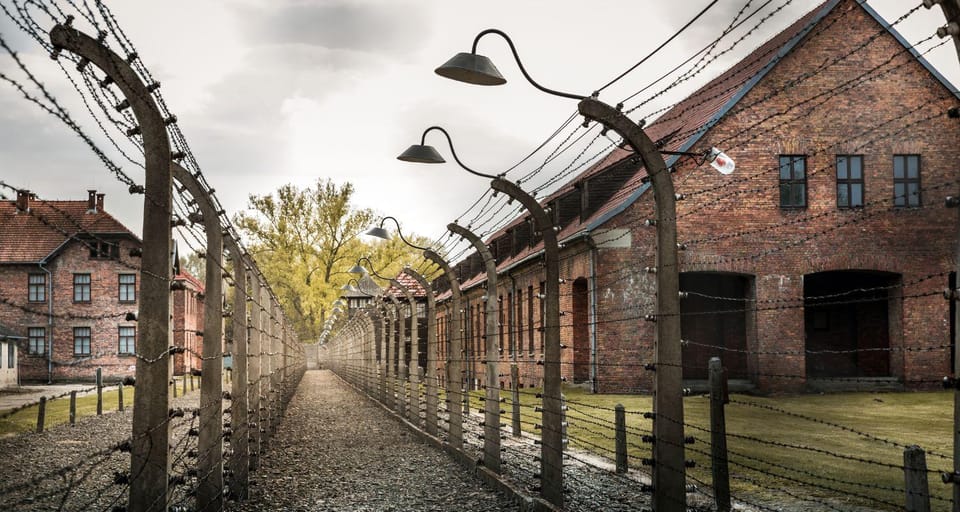
What you’ll focus on during the visit includes original barracks and other key physical elements used to remember the reality of incarceration. This isn’t a museum tour in the usual sense where you browse at leisure. The guide’s job is to keep you oriented so you understand what each area represents.
My tip for your own pacing: don’t rush to “get through it.” If your guide moves quickly, take a breath before the next stop. For a site like this, comprehension often comes in waves, not in a straight line.
Auschwitz II-Birkenau: Scale, Ruins, and What the Missing Pieces Suggest
Then you shift to Auschwitz II-Birkenau, which is larger and more spread out. This part of the day is where the scale can feel almost unreal, even when you already know the statistics.
You’ll visit the ruins of gas chambers and other camp remnants, along with areas connected to the camp’s functioning such as watchtowers and crematorium-related structures. These aren’t polished exhibits. They’re remaining fragments that force you to confront what the camp’s machinery was used for.
This is also where a guided explanation matters most. When you see the layout, you can start imagining logistics: movement, containment, and how people were processed within the camp environment. The guide helps you avoid getting lost in the emptiness of what’s left.
If you’re the type who likes to absorb in quiet, Birkenau can give you that space. If you’re more detail-driven, it can give you clear talking points tied to what you’re seeing: ruins, barracks, and the camp infrastructure. Either way, the best use of time is to stay present.





Your Up-to-3.5-Hour Guided Visit: How to Use the Time Well
The tour gives you up to 3.5 hours inside the camps. That time window is important because it limits how much you can roam independently while still allowing a structured guided route.
Here’s how I’d think about it:
- Treat the guided portion as your main map. Let your guide connect the dots between buildings, ruins, and historical purpose.
- Use any brief pauses to notice how the camp space changes from section to section.
- If you get hit hard emotionally, that’s normal. You’re not doing anything wrong.
There’s also an English audio guide included, which is useful when your brain needs a second pass. If your guide is moving to the next location, the audio can help you reinforce what you just heard.
And yes—this is a place where you’ll probably want to slow down occasionally. So if you’re the kind of person who likes to take lots of photos, consider tightening up. The goal isn’t collection. The goal is understanding and remembering.
Lunch, Reflection, and the 1-Hour Reset You’ll Appreciate
After the guided visit, you get about 1 hour of free time for lunch or personal reflection. Lunch is not included, so you’ll need to plan where you’ll eat and what you’ll order.
That hour is more valuable than it sounds. Auschwitz isn’t just information. It’s emotion plus atmosphere. Even a short break helps your mind reset so you can face the return ride with more steadiness.
Practical note: since the day is long and lunch isn’t provided, keep your expectations simple. Pick a spot that’s easy and quick, or bring something small with you earlier in the day if you know you tend to get hungry before you can think clearly.
Driver Assistance, Private Group Comfort, and One Real-World Caution
This is a private group experience with hotel pickup and drop-off and transport in an air-conditioned vehicle. The tour also includes English-speaking driver assistance, and the guide is listed as English.
That private setup is part of the value. It usually means the schedule stays under control, and you’re less likely to feel like you’re getting swept into someone else’s pace. It also helps with logistics during a long day where small delays can snowball.
But there’s one caution worth taking seriously: in at least one past case connected to this kind of tour, a guest reported the driver’s English wasn’t sufficient and there was an unexpected extra payment (they mentioned an additional $235 they were disputing). I can’t predict your day. Still, you can protect yourself with a quick habit: before you leave, confirm what’s included in the booked total, and keep any receipts or messages handy in case something doesn’t match the quote.
Price vs Value at About $550: What You’re Really Paying For
At $550 per person, this tour isn’t cheap. The question is whether it’s money well spent for how the day runs.
Here’s the value case, based on what’s included:
- Private, door-to-door pickup and drop-off from Budapest
- Air-conditioned transport for the long road and the return trip
- Skip-the-line entrance with entrance tickets included
- A live guided walkthrough inside the camps
- English audio guide included
- A schedule that builds in time inside the camps and a free-hour break afterward
You’re paying for time management and guided interpretation. At Auschwitz-Birkenau, the difference between a self-guided visit and a guided one is huge. A guide helps you understand what you’re seeing as you move through Auschwitz I and Birkenau II rather than trying to puzzle it out while overwhelmed.
Could you do it cheaper? Possibly, if you cobble together transport and manage your own tickets. But if you’re paying for less stress, fewer moving pieces, and English support, this price starts to make sense.
My advice: if you care about comprehension and you want the day to run smoothly, this kind of private format is often worth it. If budget is your top priority, you may want to compare other options that reduce the private and guided components.
Who This Tour Is Best For (and Who Should Think Twice)
This tour fits best if you want a structured, language-supported, remembrance-focused day trip without logistics headaches.
You’ll likely be a strong match if:
- You want to cover both Auschwitz I and Auschwitz II-Birkenau in one day.
- You prefer English guidance and an audio guide to reinforce understanding.
- You appreciate a private group schedule, especially with early pickup and a long drive.
You might think twice if:
- You’re very budget-focused and don’t mind handling transport or ticket steps yourself.
- You’re highly sensitive to language nuances and need every part of the day to be crystal clear (then do a quick pre-departure check).
- You know long days emotionally drain you. This is a hard visit, and the schedule is full.
Should you book this Auschwitz-Birkenau private tour from Budapest?
Yes, if you want a well-structured memorial day with skip-the-line access, a guided route through Auschwitz I and Auschwitz II-Birkenau, and English support that helps you understand what you’re seeing. The biggest selling point is practical: you buy into a plan that protects your limited time inside the camps.
Before you hit reserve, do two quick checks: confirm the total you’ll pay matches what’s promised for entrance, and make sure you’re comfortable with how English support works across both the driver and the guide. If those boxes are ticked, this is a serious, memorable day trip—one that gives you structure, time, and guidance for a place that deserves careful attention.
FAQ
How long is the Budapest to Auschwitz Birkenau private day tour?
The tour duration is listed as 16 hours.
Do I get picked up and dropped off in Budapest?
Yes. The tour includes hotel pickup and drop-off, with pickup from your hotel lobby.
Is lunch included?
No. Lunch is not included, though there is about 1 hour of free time after the guided visit for lunch or personal reflection.
How long will I be inside the Auschwitz and Birkenau sites?
You’ll spend up to 3.5 hours inside the camps.
Are skip-the-line tickets included?
Yes. The tour includes skip-the-line entrance and entrance tickets for Auschwitz and Birkenau.
Is there a guide, or is it self-guided?
There is a guided sightseeing tour inside the camps with a live guide in English, and an English audio guide is also included.
Is this a private group tour?
Yes. The tour is described as a private group.
Can I cancel for a refund?
Free cancellation is available up to 24 hours in advance for a full refund.