REVIEW · BUDAPEST
Budapest: Historic Downtown ride on E-Bicycles Buda & Pest
Book on Viator →Operated by BIKE & RELAX - Bike Tours and Bike Rental · Bookable on Viator
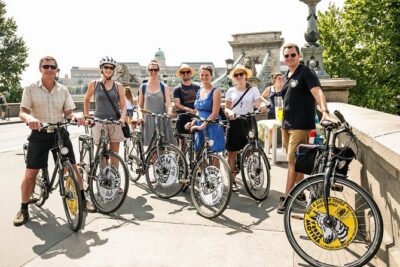
Budapest looks like it takes all day. This 3.5-hour e-bike ride turns that into a tight, doable highlights circuit with included bike gear and a small group that stays together. You’ll roll past major landmarks, cruise the long stretches efficiently, and still get real time to stop and look—without the dead time of traffic crossings and parking hassles.
I like that the route is built for modern comfort: you get enough riding time to feel the “Budapest by wheels” payoff, but the e-bike handles the Buda climbs so you’re not arriving at Castle Hill wrecked. One thing to think about first: this is not recommended for bicycle beginners, and you do need to feel safe riding in city traffic conditions.
In This Review
- Key things to know before you ride
- Why this Budapest e-bike loop is such a smart use of 3.5 hours
- Getting started at Bike & Relax in the Jewish District
- Andrássy Avenue to Heroes’ Square: Budapest’s grand boulevard moment
- City Park highlights: Vajdahunyad Castle and Széchenyi Baths from the outside
- Downtown legends: St. Stephen’s Basilica, Liberty Square, and Parliament
- Danube moments: the Shoes memorial, the Chain Bridge, and River views
- Castle Hill without the suffering: Fisherman’s Bastion and Matthias Church
- Back across to Pest: Gellért area, Liberty Bridge sunsets, and the Central Market Hall
- E-bike value: what you pay for at $65.33 and what you should plan separately
- Safety and comfort: who this tour suits best
- The guides make or break it, and here the names show up often
- When you’ll get the most out of this tour
- Should you book this e-bike tour?
- FAQ
- What’s the duration of the Budapest Historic Downtown e-bike tour?
- How much does the tour cost?
- Is the tour offered in English?
- How big is the group?
- Where does the tour meet, and where does it end?
- Are entrance fees included for the sights?
- What’s included with the bike rental?
- Do I need to know how to ride a bicycle?
Key things to know before you ride
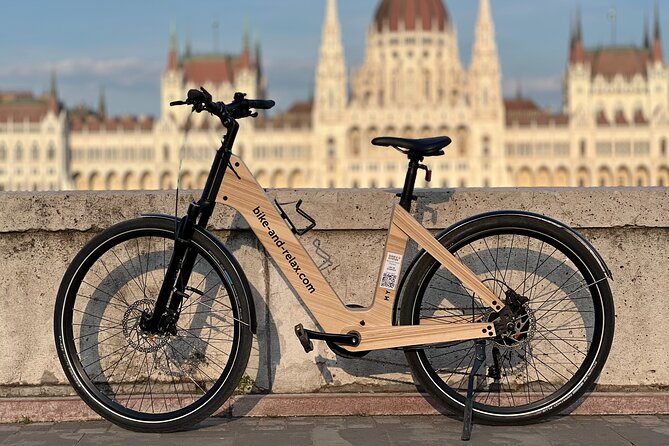
- E-bikes do the heavy lifting on Buda hills, including the climb up toward Castle Hill
- Max 10 riders keeps the group manageable and easier to control in busy areas
- No building entrances included, so expect exterior viewing and stories, not museum time
- Mostly planned for smooth pacing, with short stops that still cover a lot of territory
- Danube memorials can be tricky: the Shoes on the Danube Bank may be hard to access depending on traffic
- Your comfort level matters: minimum height is about 160 cm, and you should already ride confidently
Why this Budapest e-bike loop is such a smart use of 3.5 hours
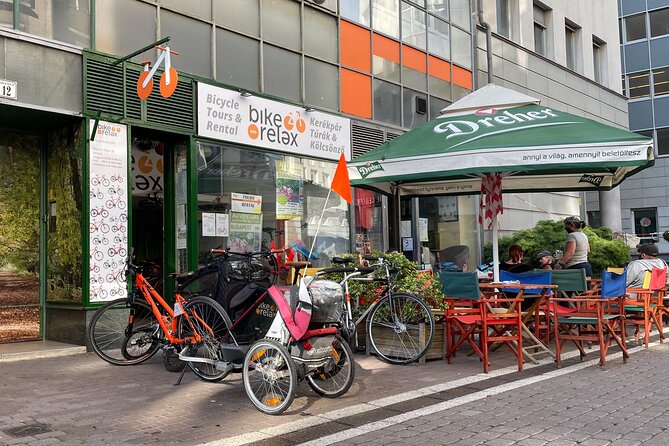
If you only have a short window in Budapest, this kind of ride is one of the cleanest ways to orient yourself. You cover both sides of the river, hit the biggest postcard spots, and get historical context as you go—without spending your whole day walking.
The real value is speed with control. Walking can be slow between clusters of sights; this tour links those clusters into one flowing route. And because the e-bikes are the main vehicle, you spend your energy on the experience, not on grinding up steep streets.
That also explains the trade-off: the stops are timed, so you won’t linger forever for photos or interior visits. If you want museum time, you’ll have to plan it separately.
You can also read our reviews of more historical tours in Budapest



Getting started at Bike & Relax in the Jewish District
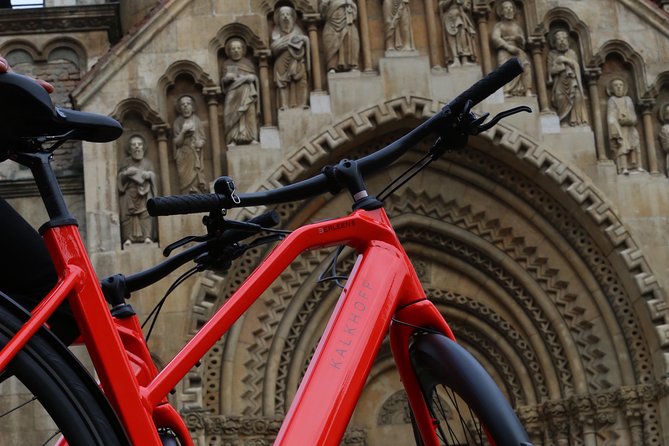
Your ride begins at Bike & Relax Budapest on Madách Imre út 12, right in the Jewish Quarter area. That location matters because it sets you up for the first classic stretch of central Budapest—Andrássy Avenue—where most of the landmarks are lined up like a guided postcard.
The tour includes the essentials that keep the whole morning or afternoon feeling easy: the bicycle, bottled water, and free luggage storage during the tour. Helmet use is included too, though it’s noted as not obligatory—still, I’d treat it as “wear it unless you have a strong reason not to.”
One practical tip: arrive with shoes you can pedal in. This ride is about moving city blocks, not sightseeing from a bench, so flip-flops and slippery soles will make things annoying fast.
Andrássy Avenue to Heroes’ Square: Budapest’s grand boulevard moment
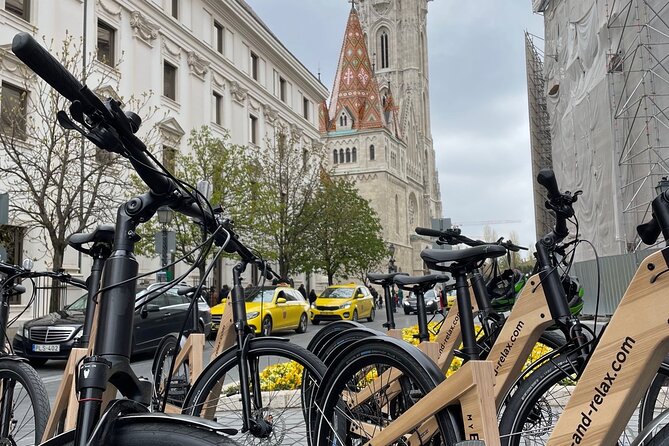
Early on, you ride down Andrássy Avenue, with the Opera area and the House of Terror coming into view along the way. This is the kind of street that makes Budapest feel theatrical—long sight lines, impressive façades, and big-city energy.
Then you reach Heroes’ Square, a major crossroads at the edge of City Park. From here, your guide can connect the monuments and the surrounding grand architecture to the Hungarian story of kings and revolutionaries. It’s the sort of stop where even short time is worthwhile because the buildings are the “text,” not just the backdrop.
A small bonus: because the group stays compact, you can keep up without drifting into the back of the pack. One repeated theme from guides on this route is keeping everyone together while sharing details at a steady pace, and that makes the whole boulevard feel smoother.
City Park highlights: Vajdahunyad Castle and Széchenyi Baths from the outside
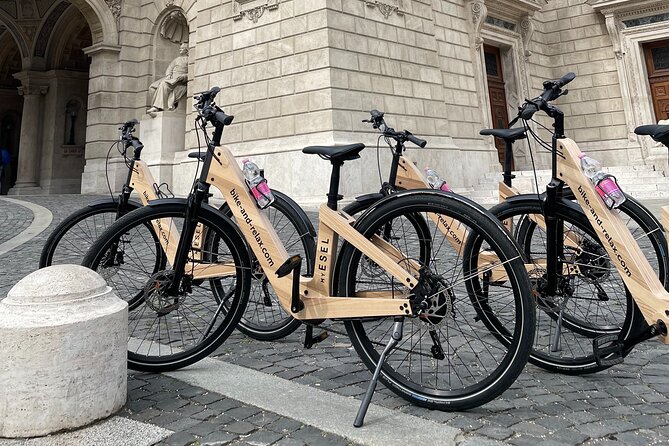
City Park is where the tour shifts gears from “city power” to “formal grounds.” You’ll see Vajdahunyad Castle, described as a standout highlight for its architecture. Even if you don’t go inside anything, the surrounding setting makes it a good place to pause and take in what Budapest chose to build here.
Next comes the Szechenyi Baths and pool area, again primarily from the exterior perspective. This stop is less about walking through and more about understanding why these baths matter in Hungarian culture and the reputation behind hot springs in the country. It’s the kind of place where a guide’s context can make a quick glance feel like you understand what you’re looking at.
If you’re the type who wants to experience bathing rooms, saunas, or the full spa layout, plan that as a separate add-on. This part works best as a “see it, learn it, and bookmark it” moment.
Downtown legends: St. Stephen’s Basilica, Liberty Square, and Parliament
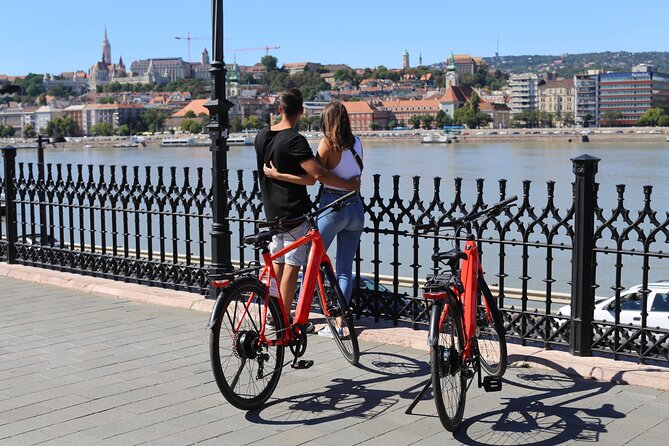
When you head back toward central downtown, you’ll pass the Liszt Academy, including its Art Deco character. Ferenc Liszt’s name is famous enough on its own, but the point here is architecture: you’re seeing that Budapest likes to show off, and this building is a clean example.
Then the tour brings you to St. Stephen’s Basilica (Szent Istvan Bazilika), including a mention of the Holy Right. Even if you don’t go inside, the basilica is dramatic enough that the exterior stop has payoff. It also gives you a strong visual anchor for downtown orientation—especially if you plan to revisit later on your own.
Liberty Square (Szabadság tér) follows, a spot tied to complicated moments in Hungarian history. You’ll also get a quick look at the Parliament building, one of the city’s most recognizable landmarks, known for its Gothic style and 19th-century grandeur.
One practical upside here is the e-bike route planning. You’re moving through big landmarks without spending your time trapped in the “where do we park near this?” problem. You also get a guided flow between stops so you’re not guessing what to pay attention to.






Danube moments: the Shoes memorial, the Chain Bridge, and River views
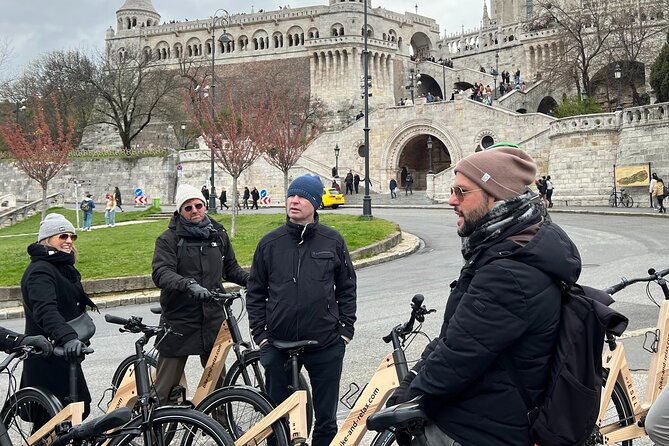
Once you reach the Danube River bank area, the mood shifts. The water gives you that instant “Budapest postcard” effect, and it’s also where the tour becomes a visual story rather than just a sightseeing checklist.
You’ll visit the Shoes on the Danube Bank area, a memorial remembering victims of the Nazi regime in Hungary. This is one of the stops that benefits most from a guide’s framing because the details are powerful even in a short visit. One caution: the shoes might not be directly accessible depending on traffic, so don’t assume you’ll be able to stand exactly where you’d hoped.
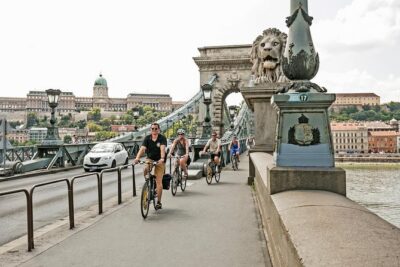
Then comes the Széchenyi Chain Bridge. It’s described as the oldest bridge across the river, and it’s newly renovated in the way the tour highlights. Crossing here feels like a reset: you get a different angle on the Parliament side and a clean line of sight toward Castle Hill.
If you’re thinking about timing for photos on the Danube, this is also where you can start building your own plan. The bridge gives you a natural reference point for how the river aligns with the major sights.
Castle Hill without the suffering: Fisherman’s Bastion and Matthias Church
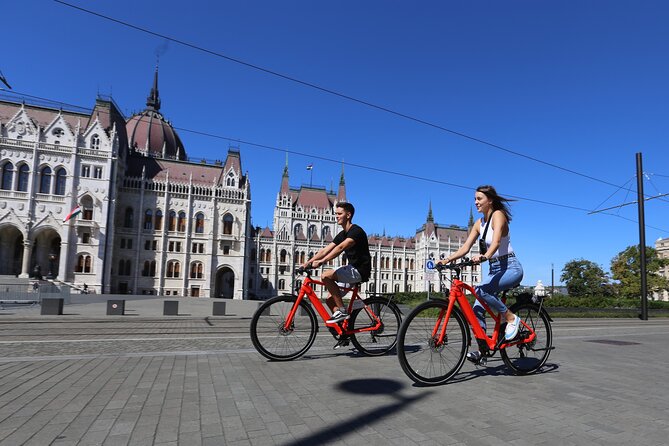
The big climb is up to Castle Hill on the Buda side, and this is where the e-bike makes the tour feel like a bargain. Without the motor, most people would either arrive tired or walk parts of the hill. With the e-bike, the effort turns into control—you can keep moving without feeling punished.
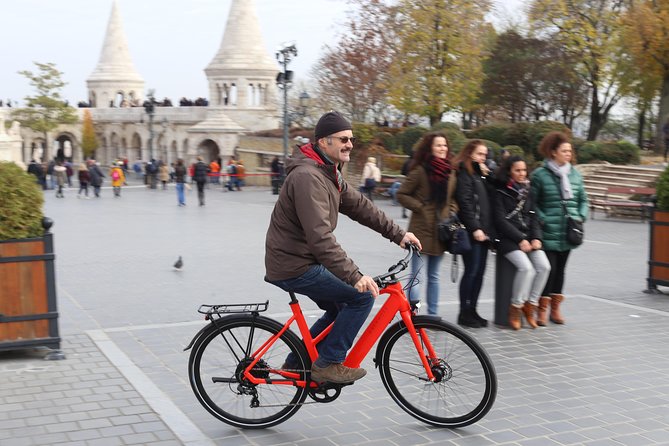
You’ll see Matthias Church and Fisherman’s Bastion, and it’s treated as a must on any Budapest visit. Even with short stop time, the views from this area are the kind that make you understand why Budapest keeps showing up in travel photos.
The good news is that the ride isn’t just about the destination. The route is designed so you get the “getting there” experience too—gliding upward as city textures change below you.
After that, you’ll pass the Royal Gardens area and reach the Turkish Rudas Baths outside the time for swimming. That means you see the place and hear the story, but you won’t lose half your day on logistics. This works well if you still want energy left for dinner afterward.
Back across to Pest: Gellért area, Liberty Bridge sunsets, and the Central Market Hall
On the return side, you’ll reach the Gellért Thermal Bath area and then turn toward Liberty Bridge. Crossing Liberty Bridge is highlighted as a famous meeting point and a strong sunset angle, which matters if you’re staying nearby and want a “come back later” location.
Then the tour brings you to the Central Market Hall close to the river. It’s described as still in operation, so even from the outside, it feels like a living stop rather than a staged attraction. If you like food and local rhythms, this is the kind of place that makes you want to return with time.
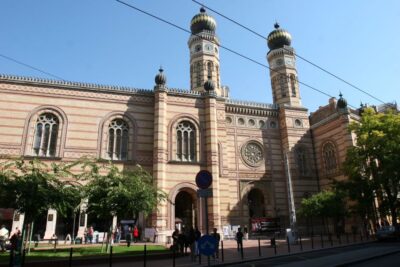
The final cultural cap is the Great/Central Synagogue (Nagy Zsinagoga) area at the entrance to the Jewish Quarter. The tour notes the Jewish Museum connection, but also clearly says entrances aren’t included—so treat this as an excellent exterior perspective and memorial reminder, not a full museum visit.
E-bike value: what you pay for at $65.33 and what you should plan separately
At $65.33 per person for about 3 hours 30 minutes, you’re paying mainly for three things: a guide, a motor-assisted bike, and the route design that strings together the biggest sights efficiently. You also get bottled water and free luggage storage during the tour, which reduces the “extra costs you didn’t budget for” feeling.
What you’re not paying for is entry into buildings. The tour is clear that there are no entrances and no interior visits for the sites along the way. That’s not a problem for most people—it can actually keep the pace lively—but it does mean you’ll likely want to choose a couple of priority interiors for a different day.
Is that a deal? Usually yes, because it buys you an informed overview. Then you can decide later what’s worth a second visit on your own time.
Safety and comfort: who this tour suits best
This tour is designed for people who can ride safely in traffic conditions. It’s explicitly not recommended for bicycle beginners, and that’s the key point. Even on an e-bike, you’re sharing roads and bike paths with others, so confidence matters.
The requirements also narrow it down in a practical way: minimum age is 13, and the minimum height is about 160 cm. It’s also not recommended for riders over 110 kg. If any of those apply to you, you’ll want to check with the operator before booking.
On the positive side, guides on this route are praised for keeping control of the group and making riders feel safe. One comment that stands out is that the ride often stays on bike lines and only rarely requires close contact with motor vehicles. That doesn’t make it risk-free, but it does suggest the route is planned for comfort.
The guides make or break it, and here the names show up often
This tour’s quality is strongly tied to the guide. In feedback, names like Karoly, Oliver, Susie, Balint, Dori, Keru, and Thomas come up with a consistent theme: clear English, good humor, and history explained in a way that feels practical, not like a lecture you can’t use later.
There are also mentions of smart pacing and small extras, like a warm beverage stop when weather gets cold. That kind of detail matters because it turns “a ride through sights” into a day that feels looked after.
A recurring tip from guide feedback: practice on the e-bike for a moment before you fully commit to the route. If you haven’t ridden an e-bike before, that quick warm-up can make the rest of the day feel effortless.
When you’ll get the most out of this tour
I think this is a great fit for first-time Budapest visitors who want a high-hit overview fast. It’s also a good choice if you want to see the hills without paying for it in sore legs.
You should skip it or consider another format if you:
- are not comfortable riding in traffic
- want long photo sessions or interior access at each major building
- are traveling with a younger child, since there are no children e-bikes available
Should you book this e-bike tour?
Yes, if your goal is to get your bearings fast and still see the big Budapest icons without turning your trip into a fitness test. The included bike setup, water, and the smooth way the route links Pest to Buda are a strong value play for the price.
Book it early in your Budapest stay if you can. It gives you a map in your head and a shortlist of places you’ll want to revisit later. Just go in knowing you’re buying an efficient overview, not an all-access museum day—and make sure your riding comfort level matches the tour style.
FAQ
What’s the duration of the Budapest Historic Downtown e-bike tour?
It runs for about 3 hours 30 minutes.
How much does the tour cost?
The price is $65.33 per person.
Is the tour offered in English?
Yes, it’s offered in English.
How big is the group?
The tour has a maximum of 10 travelers.
Where does the tour meet, and where does it end?
It meets at Bike & Relax Budapest, Madách Imre út 12, 1075 Hungary, and ends back at the same meeting point.
Are entrance fees included for the sights?
No. The tour states that there are no entrances and no visits into the buildings mentioned.
What’s included with the bike rental?
You get use of the bicycle, bottled water, helmet (not obligatory), and free luggage storage during the tour.
Do I need to know how to ride a bicycle?
You need to be able to ride a bicycle safely in traffic conditions. It is not recommended for bicycle beginners.