REVIEW · BUDAPEST
Private Café Wandering: Excursion through Budapest’s Belle Epoque
Book on Viator →Operated by Insight Cities · Bookable on Viator
Budapest runs on stories, and these cafés tell them fast. This private walk through Belle Époque café houses takes you to five landmark rooms that shaped writers, artists, and thinkers. I like the way the guide approach ties interiors to culture, not just sightseeing. My favorite part is the café variety—you get imperial grand dames, tiled museums, and even a stop linked to Budapest’s lecture culture. One drawback to consider: refreshments are not included, so budget a bit extra if you want coffee and cake at the end.
The pace is also a good match for most people. You’ll start at Vörösmarty tér and move between stops with a mix of walking and a tram ride near the Danube, so you’re not stuck doing a single long corridor the whole time. I also appreciate that this is truly private—just you, your group, and your art historian guide. The only thing that may not fit everyone is weather: since it’s an outdoor walking tour, you’ll want comfortable shoes and a plan for rain.
In This Review
- Key Things You’ll Notice on This Café Wandering Tour
- Why Budapest Cafés Feel Like Time Machines
- Getting Started at Vörösmarty tér (and Why the Meeting Point Matters)
- Gerbeaud: Where Imperial Budapest Learned to Socialize
- The Tram to Central Café: A Practical Break With Real Danube Context
- Museum Café Since 1885: Tiles, Guest Books, and a Venetian Mirror
- Urania Café on Rákóczi Street: Old Film Theatre Energy and Intellectual Lectures
- New York Café on the Boulevard: Belle Époque Grandeur at Full Volume
- Muvesz Café Finale by the Opera: Coffee, Cake, and a Slice of Performance Life
- Private Guide Value: What You’re Really Paying For
- Who This Tour Fits Best (and Who Might Skip It)
- A Few Practical Tips Before You Go
- Should You Book Private Café Wandering: Excursion through Budapest’s Belle Epoque?
- FAQ
- How long is the Budapest café wandering tour?
- How many people are included in the private group?
- What is the meeting point?
- Is pickup available?
- What language is the tour offered in?
- Which café houses are included?
- What does the tour include?
- Are refreshments included?
- Is there a tram segment during the tour?
- What is the cancellation policy?
- Is the tour suitable for most travelers?
Key Things You’ll Notice on This Café Wandering Tour
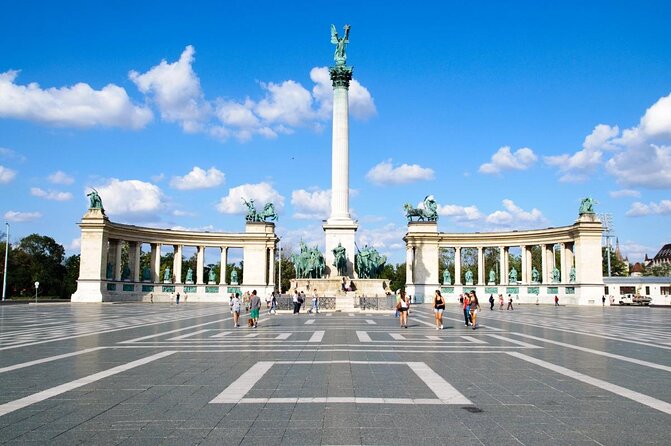
- Five iconic café interiors tied to Budapest’s 19th–early 20th century creative scene
- A private art historian guide who explains the history behind what you see
- Real stops, not just photos, including Gerbeaud, Central, Museum Café, Urania, and New York Café
- A brief Danube-area tram ride between major locations to keep the route practical
- A final coffee-and-cake pause at Muvesz Café near the Opera House
Why Budapest Cafés Feel Like Time Machines
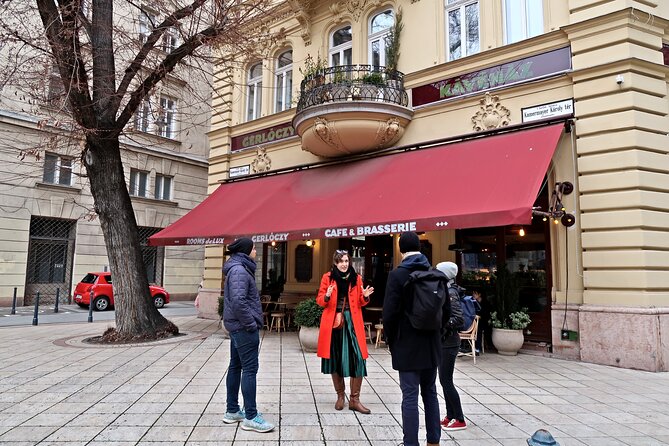
If you love cities where everyday life has layers, Budapest’s café culture is a smart choice. These places weren’t just where people drank coffee. In the imperial period, cafés functioned like public living rooms—places to argue, write, meet patrons, and trade ideas. This tour is built around that idea, so the interiors don’t feel like museum props. They feel like set pieces for the social habits that shaped modern Budapest.
You’ll walk into rooms that were designed to impress, then your guide connects those details to the people who used them. That approach is why this feels better than a casual café crawl. It’s also why I think an art historian-style commentary works well here: you’re looking at design choices on purpose, not randomly.
For practical value, it’s also a manageable length: the tour runs about three hours, so it works even if you don’t want a full-day commitment.
You can also read our reviews of more private tours in Budapest


Getting Started at Vörösmarty tér (and Why the Meeting Point Matters)
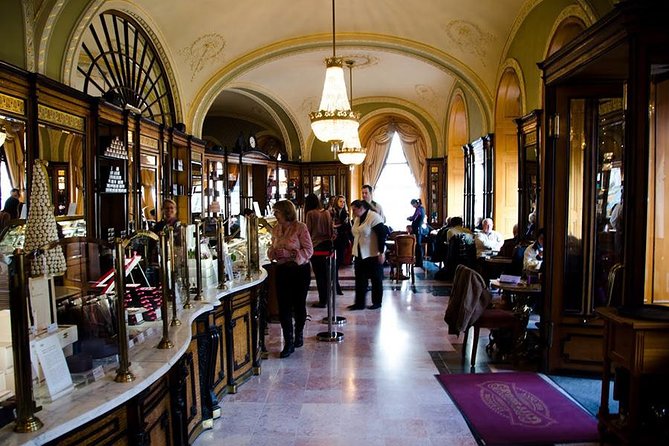
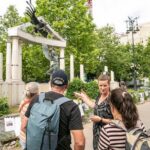
The tour begins at Vörösmarty tér 7, with the guide meeting you at Café Gerbeaud (15 minutes before the start time if you’re not using hotel pickup). This matters because Gerbeaud is both a logical starting location and a meaningful first stop: it sets the tone right away with an imperial, public-social feel.
The location is central and close to public transport, so it’s easier to build around it with other plans—morning sightseeing, a lunch afterward, or an evening closer to the Opera.
You’ll also get a mobile ticket, and confirmation happens at booking. That’s a nice, low-friction setup for a walking experience where you’ll want to focus on the route, not paperwork.
Gerbeaud: Where Imperial Budapest Learned to Socialize
The first café is Café Gerbeaud, right at Vörösmarty tér. The tour starts here for a reason: Gerbeaud has more than 100 years of history and has long acted as a central social hub where tourists and locals mingled in the late 19th century.
What I like about starting with Gerbeaud is that it gives you a baseline. You’ll likely notice the difference between cafés that are built to attract crowds and those that feel more like salons or specialized spaces. Gerbeaud’s role as a meeting point helps you understand why later stops feel so different—because café culture wasn’t one thing. It changed by neighborhood, clientele, and purpose.
Also, don’t treat the first stop as a quick photo stop. The guide’s commentary is designed to help you read the room. When you know what kinds of visitors filled these seats, the décor becomes more meaningful—less ornament, more social signaling.
The Tram to Central Café: A Practical Break With Real Danube Context
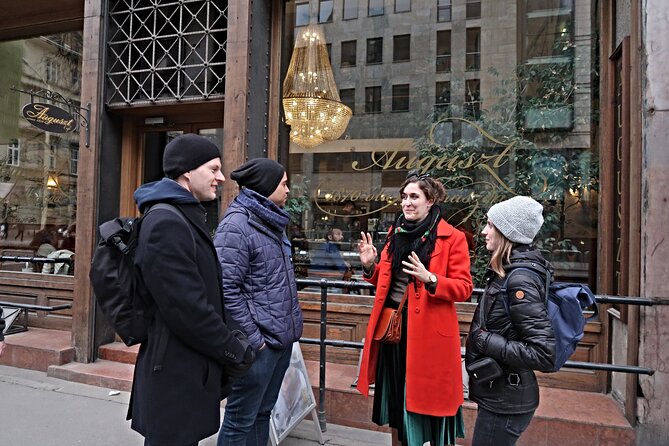
After Gerbeaud, the route takes you by tram by the Danube to Central Café. This isn’t just transportation—it’s part of how the tour balances “worth it” interiors with a sane itinerary.
Central Café is described as dignified and closely tied to what café-house culture meant at the peak of Habsburg Empire economic and cultural power. That phrasing matters: it signals you’re not only seeing a trendy café. You’re seeing a space that was designed to communicate status and stability to the people who mattered.
This is one of those moments where you’ll feel the value of the guide. Instead of you trying to guess the story behind a big, formal interior, you get it right when you arrive. And with a tram hop, you’re spending less time calculating logistics and more time enjoying the atmosphere.
Museum Café Since 1885: Tiles, Guest Books, and a Venetian Mirror
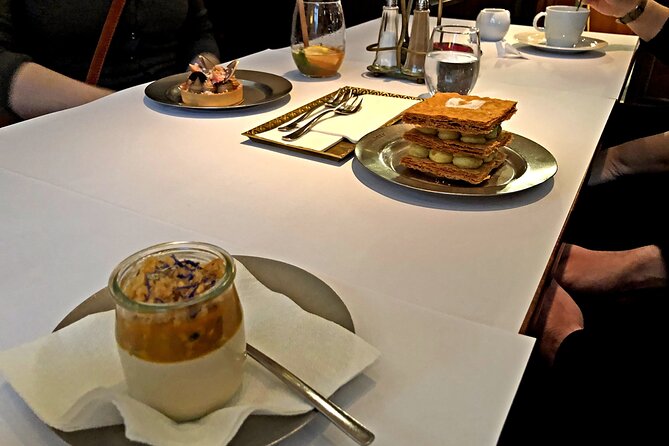
Next you reach Museum Café, described as operating since 1885. This stop is where the tour leans even harder into “café as historical document.”
The key detail here is the guest book, which has names recorded over time. The tour highlights that prominent visitors signed in regularly, including Members of Parliament, distinguished writers, and famous Hungarian actors. Even if you don’t spend a long time reading every name, knowing that the guest book exists changes your experience. You stop thinking of the café as a backdrop and start treating it as a place people used to shape public culture.
Visually, Museum Café stands out for lavish walls covered in tiles from the Zsolnay porcelain works. You’ll also see a grand 19th-century Venetian mirror, a feature that sounds dramatic—and in a café setting, it’s the kind of décor element that feels intentional rather than decorative.
The possible drawback at this stage: if your group is the type that gets restless during longer indoor commentary, Museum Café’s historical storytelling could feel like more time than you planned. But if you enjoy design details and you like learning how public spaces worked, this is a highlight.






Urania Café on Rákóczi Street: Old Film Theatre Energy and Intellectual Lectures
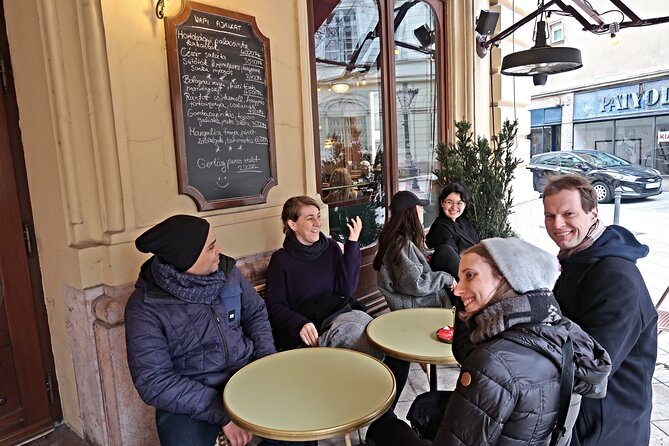
After another short walk, you arrive at Urania Café on Rákóczi street. This café is known for housing the oldest Film Theatre in the city, which gives the stop a different mood than the more traditional “writers’ salon” vibe of the earlier places.
The tour also notes that Urania is famous for lectures given by prominent intellectuals before large audiences of Budapest cosmopolitans. So you’re not only stepping into a historic café. You’re stepping into a culture of public talks and idea-sharing.
This is a great moment for a quick mental reset. The route has been following the theme of social ritual, and Urania adds a modern-era twist: café culture wasn’t isolated to quiet conversations. It also fed public discourse.
If you’re wondering whether this stop is worth it compared to the grander rooms later, think of it like this: Urania explains how cafés supported civic and cultural life, not just elite leisure.
New York Café on the Boulevard: Belle Époque Grandeur at Full Volume
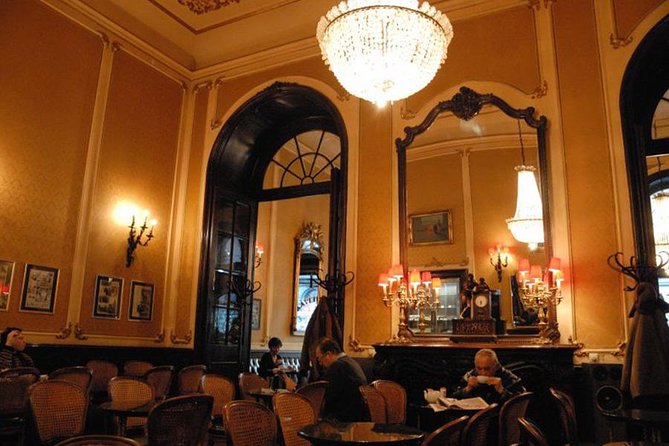
Next comes a big boulevard walk toward Blaha Lujza tér, leading you to New York Café—one of the most beautiful café houses in the world, and specifically described as elegant and highly impressive.
Even without spoilers, this is the part of the tour where the city’s decorative ambition becomes unavoidable. New York Café is a destination in itself, which is exactly why your guide’s framing matters. If you treat it like just another pretty room, you’ll miss the point: the tour links grand cafés to what was happening in the cultural economy of Budapest at the time.
This is also a useful stop for your own travel planning afterward. Once you’ve seen what “grand café” looks like here, you’ll be better at spotting which other places in Budapest are designed for spectacle and which ones are more about local everyday life.
One practical note: because this is such a “wow” interior, it’s easy to overschedule around it. Keep your next plan flexible. This stop can steal time, in a good way.
Muvesz Café Finale by the Opera: Coffee, Cake, and a Slice of Performance Life
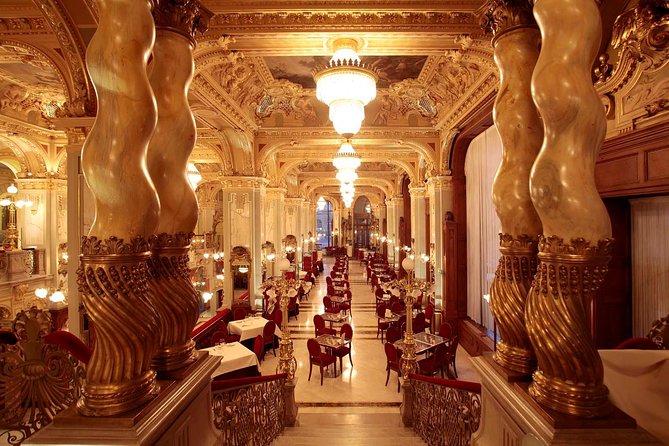
The tour ends on Andrássy Boulevard near the Opera House at Muvesz Café. The finale is designed as a real break: you’ll sit down for coffee and cake.
The tour also adds a fun and specific context. Muvesz Café is a place where celebrity actors and actresses reportedly patronize it during rehearsal breaks from nearby Budapest Broadway productions. That means your final moment isn’t only about your dessert—it’s also about watching how performance life blends with café life.
I like closing here because it ties the café theme to Budapest’s broader cultural stage. You start with imperial social rituals, you move through literature and lectures, and then you land near one of the city’s most famous performance venues. It makes the city feel connected, not compartmentalized.
Private Guide Value: What You’re Really Paying For
At $449.51 per group (up to 10), this isn’t the kind of tour you book to save money. It’s the kind you book to reduce friction and increase payoff.
Here’s how the math tends to work in real life:
- If you’re traveling as a small group (or you can split cost), you’re basically buying expert commentary plus a route that hits five major interiors without you needing to plan connections.
- You also get a truly private experience, meaning you can ask questions, adjust pace, and spend more time where your interests land.
The tour includes a 3-hour private walk with a guide described as an art historian. That’s not a trivial detail. In café spaces, design is part of the story—materials, mirrors, tile work, and room layouts. An art historian guide helps you see those features as purposeful choices rather than random décor.
What’s not included is refreshments at the cafés. That’s a normal choice for this type of tour. It does mean you should expect to pay extra if you want to order coffee, cake, or anything beyond what’s already part of the final stop experience.
In short: you’re paying for time, access, and interpretation. If that matches how you like to travel, it’s good value.
Who This Tour Fits Best (and Who Might Skip It)
This tour is a strong fit if you:
- love architecture and interior design with context
- enjoy history tied to culture, not just dates
- want a structured route through several top café stops in a short window
- prefer a private setup with a guide who can keep the pace aligned with your group
It might be less ideal if you:
- want a super light, stop-and-snack style experience with minimal storytelling
- plan to use most of your time in cafés after the tour and don’t care about learning the background
- expect refreshments to be fully included (only the final coffee-and-cake moment is part of the tour experience as described)
The rating is 5, and one standout review specifically called out Kata for being very informative and generous with her time, with a good mix of cafés and other Budapest sites. That aligns with the way the itinerary is set up: it’s not only about interiors. It’s about how you connect them to the city’s identity.
A Few Practical Tips Before You Go
- Wear comfortable shoes. Even with a tram segment, you’ll do walking between stops.
- Bring a light layer. Café interiors are often cooler than the street, especially if you’re visiting in shoulder seasons.
- If you want to spend time ordering at the cafés, plan for extra costs since refreshments aren’t included (except for the sit-down end moment).
- If you’re a fan of photo stops, you’ll still want to prioritize the guide’s commentary—these rooms make more sense once you know what you’re looking for.
Should You Book Private Café Wandering: Excursion through Budapest’s Belle Epoque?
I’d book this if you want a high-quality idea-and-interior tour in a short time. Five classic cafés in about three hours is efficient, and the private art historian format helps you understand what makes these places matter beyond their looks.
Skip it if you’re purely chasing the cheapest coffee and a quick list of Instagram interiors. This tour is built for people who enjoy context—how café culture worked, who used these rooms, and what the décor was communicating in its era.
If you’re traveling with up to 10 people, it can also be a smart way to keep costs sensible while still getting a private guide.
FAQ
How long is the Budapest café wandering tour?
It lasts about 3 hours.
How many people are included in the private group?
The price is listed per group up to 10, and it is a private tour for just your group.
What is the meeting point?
Unless hotel pickup is arranged, you meet your guide 15 minutes before at Café Gerbeaud, Vörösmarty tér 7–8, 1051 Budapest.
Is pickup available?
Pickup is offered, but it may need to be arranged in advance. If you do not have hotel pickup arranged, meet at Café Gerbeaud.
What language is the tour offered in?
The tour is offered in English.
Which café houses are included?
The tour visits Café Gerbeaud, Central Café, Museum Café, Urania Café, New York Café, and ends at Muvesz Café.
What does the tour include?
It includes a 3-hour private walk with an art historian guide.
Are refreshments included?
No. The price of refreshments, cakes, and coffees selected at the cafés is not included.
Is there a tram segment during the tour?
Yes. After Gerbeaud, you take the tram by the Danube to Central Café.
What is the cancellation policy?
There is free cancellation. You can cancel up to 24 hours in advance for a full refund.
Is the tour suitable for most travelers?
The tour states that most travelers can participate, and it is near public transportation.