REVIEW · BUDAPEST
The Award-Winning Private Food Tour of Budapest: 6 or 10 Tastings
Book on Viator →Operated by Withlocals · Bookable on Viator
Budapest rewards curiosity, and this tour feeds it. I like the private one-on-one pacing and the chance to sample standout Hungarian staples with a local in the lead. One watch-out: the experience can feel short if you expect a long, stop-heavy food crawl with hot, freshly made bites every time.
You’re walking around the city with a local foodie guide, getting both flavor and context between tastings. I also like that vegetarian alternatives exist if you message ahead. Still, food-tour value depends on what option you book (6 vs 10 tastings) and how your guide structures the stops.
In This Review
- Key Things To Know Before You Go
- Market Hall Meeting Point And Walking Your Own Budapest Pace
- 6 Tastings Or 10 Tastings: How To Choose For Real Value
- Stop 1: Szimpla Kert Tastings That Set The Tone
- Stop 2: Central Market Hall Classics Like Chimney Cake And Lángos
- Stop 3: Dohány Street Synagogue For Culture, Not Just Snacks
- Your Local Guide: The Part That Can Make Or Break The Tour
- Food Portions, Drinks, And The “Don’t Leave Hungry” Reality Check
- Vegetarian Options: What You Need To Do Ahead Of Time
- Who This Tour Fits Best (And Who Should Skip It)
- Should You Book This Budapest Private Food Tour?
Key Things To Know Before You Go
- Private guide, just you: you can ask questions and steer the pace more than on group tours.
- 6 vs 10 tasting options: double-check which format you booked before you arrive hungry.
- Food stops with city sights: between tastings you’ll get orientation and local recommendations.
- Meet at Central Market Hall area: easy starting point near public transport.
- Synagogue stop is not ticket-included: plan for that expense if you want to go inside.
- Sustainable carbon-neutral experience: run under a B-Corp approach.
Market Hall Meeting Point And Walking Your Own Budapest Pace
The tour starts at Central Market Hall (Vámház krt. 3, 1093). That’s a smart place to begin because it puts you in the thick of Budapest’s food culture right away, and it’s simple to reach via public transport.
From there, you’re on foot, moving between stops while your guide adds context. You’ll get practical tips too, the kind that help you later when you’re choosing where to eat without having to Google everything.
Because it’s private (you and your guide), you’re not stuck behind a large group. That helps when you want to pause for photos, ask a food question, or spend an extra minute reading a menu.
If you’re the type who likes a very “strict food-crawl” style (many quick merchants, frequent freshly prepared servings), keep in mind that walking routes and tasting structure can vary a bit by guide and by the format you choose.
You can also read our reviews of more food & drink experiences in Budapest


6 Tastings Or 10 Tastings: How To Choose For Real Value

This is sold as the Award-Winning Private Food Tour of Budapest with either 6 or 10 tastings. The price is listed at $133.08 per person, and the duration is about 3 hours when everything lands on time.
So here’s the key math mindset: you’re paying for (1) the guide, (2) curated tastings, and (3) the walking route plus city highlights. If you book the 6 Tastings option, you should expect fewer food moments and more “see the city while you sample” balance. If you want a heavier tasting workload, choose the 10 Tastings option.
What I’d do before booking: confirm the option clearly in your reservation. One of the most common frustrations in reviews was confusion about how many distinct stops vs how many distinct tastings would happen in the shorter format. You’ll avoid that by walking in with the right expectation.
Also note that tastings can include drinks like beer or wine, plus classic Hungarian items. That can be great, but if you expect only food, plan for a mixed menu.
Stop 1: Szimpla Kert Tastings That Set The Tone
Your first stop is Szimpla Kert, which is known for its food-and-drink culture and its character. The tour time there is about 30 minutes, and in this package the admission ticket is free.
You’ll get a chunk of your tastings at this stop—especially if you’re on the 10-tasting version. The upside here is variety and atmosphere. You’re not just eating; you’re getting the vibe of how Budapest people socialize around food and drink.
A practical note: in the real world, tastings aren’t always delivered as hot, freshly prepared items. Some people loved the variety and history talk, while others felt certain items leaned more “grab-and-go” than “made right now.” So if hot-and-fresh is your top priority, ask your guide how they handle timing and temperature for the tastings on the day.
If your guide happens to be someone like Gábor (a name that came up repeatedly), you’re likely to get a strong food-history thread explaining where each flavor fits in Hungary’s story. That kind of narration can turn a simple bite into a memorable stop.
Stop 2: Central Market Hall Classics Like Chimney Cake And Lángos
Next up is Central Market Hall. You’ll spend about 1 hour here, and the admission ticket is free in this tour setup.
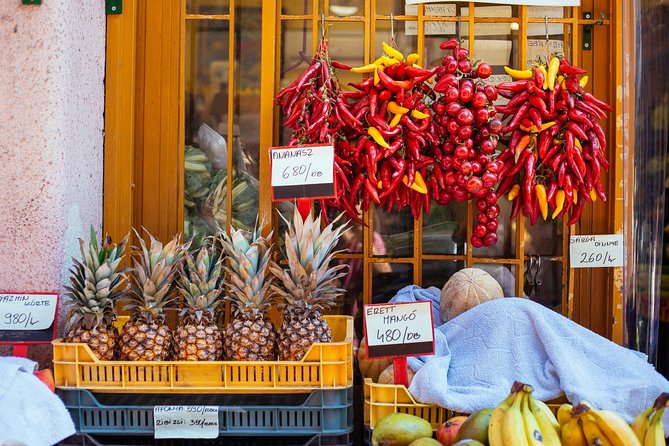
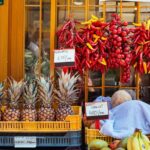
This is the stop that most reliably scratches the “I want the real Budapest classics” itch. You’re set up to try staples like chimney cake and lángos, and you should expect a proper market feel: lots of local energy, a chance to see how food culture is organized here, and easy comparisons between vendors.
What I like about this stop is that it’s both iconic and useful. Even if you don’t eat every bite, you’ll learn what to look for when you return on your own. Think of it like a living “food map,” with your guide translating what matters.
There’s one more layer: guides often use the market time for more than food. You might get “how Hungarians eat” insight, plus quick recommendations for where to go next so you don’t spend the rest of your trip guessing.
One caution from experience with tours like this: if your appetite is very picky about freshness and portion size, pay close attention to the tasting setup at this market stop. People reported very good langos, but also some meals that felt more cafeteria-style than chef-to-table.
If you want to control that, you can ask your guide for the order of tastings and how they’ll time the items.
Stop 3: Dohány Street Synagogue For Culture, Not Just Snacks
The last named stop is Dohány Street Synagogue, with a time budget of about 30 minutes. Admission is not included for this stop, so treat it as a “maybe-go-inside” moment depending on what you want to pay for and how much time you have.
This is where the tour stops being only about food. You get city highlights and context—so the overall experience feels more like a Budapest intro than a pure tasting event.
If you’re the type who likes history but doesn’t want a museum day, this works nicely. It also helps balance the day: after a food-heavy market stop, the synagogue stop brings perspective.
The practical downside is simple: because the ticket isn’t included, you need to decide in advance whether you’ll pay and spend extra time. If you want maximum value, plan for it so the timing doesn’t feel rushed.
You can also read our reviews of more tours and experiences in Budapest
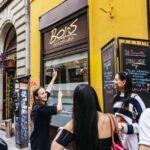


Your Local Guide: The Part That Can Make Or Break The Tour
Here’s the honest truth about food tours: the guide matters as much as the food. In the best versions of this experience, guides mix food with context, and you leave understanding why certain Hungarian flavors are everywhere.
Names that stood out in feedback include Gábor, Dalma, Anna, András, Nick, Gabe, Nicholas, Zsófia (also written as Zsophia), Beáta, Tibby, TB, and Emőke. Common praise wasn’t just friendliness—it was the way they tied history to what you were eating.
When it works, you’ll get:
- a quick story for each bite (where it comes from, how it shows up in daily life)
- clear recommendations for what to eat next
- a guide who makes the walk feel like a city lesson, not a timed delivery
But there are also caution stories. Some guests described guides spending time on map orientation instead of talking food, or finishing faster than expected. A few felt portions weren’t enough to leave satisfied.
So when you meet your guide, do a quick reset:
Ask what you’ll be eating in the order of stops.
Ask how the 6 vs 10 tastings will show up on your day.
If you have dietary needs, raise them right away (more on this below).
That one minute of clarity often prevents the biggest disappointments.
Food Portions, Drinks, And The “Don’t Leave Hungry” Reality Check
Let’s talk portions, because this is where people can feel a mismatch with expectations.
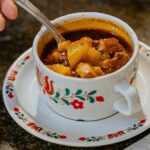
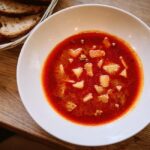
The tour is built around multiple tastings and includes food and drink samples that may include items like chimney cake, lángos, goulash-style offerings (one person singled out goulash soup as a favorite), Hungarian sausages, cottage cheese, and local liquors or beverages. That sounds like a lot—and for many people, it is.
Still, several reviews flagged issues like tiny or pre-prepared bites, smaller-than-expected servings, and tastings where items were shared across the group. Even for private tours, portions can be set by the restaurant or vendor.
If you’re the kind of eater who needs a full meal, you might want a strategy:
Treat the tour as a tasting-and-orientation start.
Plan to eat a proper dinner after, especially with the 6-tasting option.
You’ll avoid the “I just want one more stop” feeling that can happen when the tour wraps earlier than you personally expected.
Vegetarian Options: What You Need To Do Ahead Of Time
Vegetarian alternatives are offered, but you have to message your host with dietary requirements. That detail matters because it changes what gets prepared or selected at each vendor.
If you’re vegetarian (or any dietary restriction), don’t wait until the day of the tour to hope for substitutions. Send a clear note before you arrive so your guide can plan tastings that actually fit your diet, not just “something on the side.”
One strong point from feedback: vegetarian tastings were handled well by at least one guide, with people reporting the vegetarian portion of the menu still felt like a full experience.
Who This Tour Fits Best (And Who Should Skip It)
This is a great fit if you:
- want a private guide and a walking tour with food stops
- like history and local context tied to what you’re eating
- want an easy Budapest introduction on your first days
- appreciate local recommendations you can use afterward
It might not fit perfectly if you:
- want a long, vendor-to-vendor market crawl with constant hot, freshly made servings
- expect a lot of internal sightseeing without extra tickets (the synagogue ticket isn’t included)
- need large food portions to feel satisfied without a follow-up meal
- are very sensitive to timing and stop structure (some reports mention tours finishing sooner or feeling lighter)
Should You Book This Budapest Private Food Tour?
I’d book it if you pick the right tasting option for your appetite and you care about the guide’s stories, not just eating.
If you want the fullest “tasting workload,” choose the 10-tasting version. If you want a lighter taste session plus city orientation, 6 tastings can still work, just don’t treat it like a full meal plan.
Before the tour, send dietary notes if needed, and on arrival ask your guide to confirm the stop order and tasting count for your exact booking. Do that, and you’ll have a much better chance of getting the kind of experience that turns into a highlight of your Budapest trip.