REVIEW · BUDAPEST
Budapest Culinary & Wine Walk—Budapest’s Signature Food Tour
Book on GetYourGuide →Operated by Taste Hungary · Bookable on GetYourGuide
Follow paprika to your first Budapest bite. This Budapest Culinary & Wine Walk is one of the easiest ways to get your bearings while eating your way through local flavors, starting at the Central Market Hall and ending with a guided Hungarian wine tasting. I love the mix of market sights plus real ingredient talk like pork fat, paprika, and goose liver, because it makes the food feel understandable instead of random. I also like how the tour builds through multiple neighborhood stops, not just one fancy meal. One thing to consider: you cover a lot of ground on foot, and it’s not wheelchair accessible.
The best payoff comes when you show up hungry and ready to ask questions. I also appreciate that you get a consistent pace across a small group, usually kept to a minimum of 2 and a maximum of 8, so it doesn’t feel like a food stampede. If you’re lucky enough to get guides praised for their humor and interaction—names like Barbara, George, and Anna come up often in feedback—you’ll feel like you’re traveling with someone who actually cares about the details.
In This Review
- Key things to know before you go
- Entering Budapest’s Central Market Hall the right way
- The market’s food culture lesson: more than just pretty stalls
- What those 4 to 5 venues really add to your day
- The guided ingredient stories you’ll actually remember
- Coffee, cakes, and the stops that make it feel local
- Ending with Hungarian wine: a practical way to pick bottles later
- Timing, walking pace, and why comfort affects value
- Price and logistics: who should book, and who might skip
- Should you book Budapest Culinary & Wine Walk?
- FAQ
- How long is the Budapest Culinary & Wine Walk?
- What does the tour cost?
- Where do I meet the guide?
- What is included in the price?
- How many places will we visit?
- Is there a skip-the-line option for the market?
- What days does the tour run?
- Is it wheelchair accessible?
- How big are the groups?
- What if I cancel?
Key things to know before you go
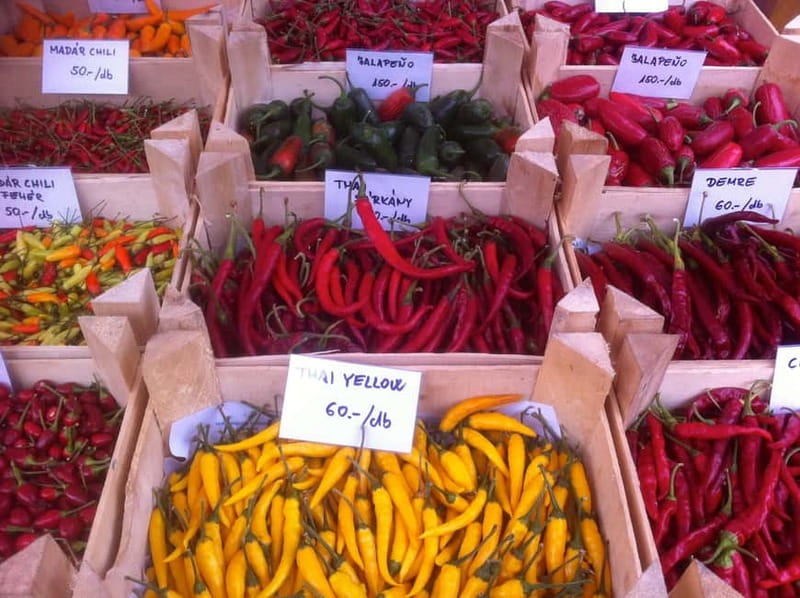
- Central Market Hall sets the stage first, with history and standout produce you’ll remember.
- Ingredient explanations are the real lesson: paprika, pork fat, and goose liver show up in the stories.
- 4 to 5 extra venues outside the market keep the tastings varied instead of repetitive.
- Sweet stop(s) are part of the plan, including traditional patisserie samples.
- Wine tasting finishes the walk, with 3 essential wines from different Hungarian regions.
- Photo breaks and food-shopping stops are built in, so you won’t feel rushed.
Entering Budapest’s Central Market Hall the right way
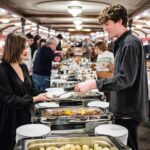
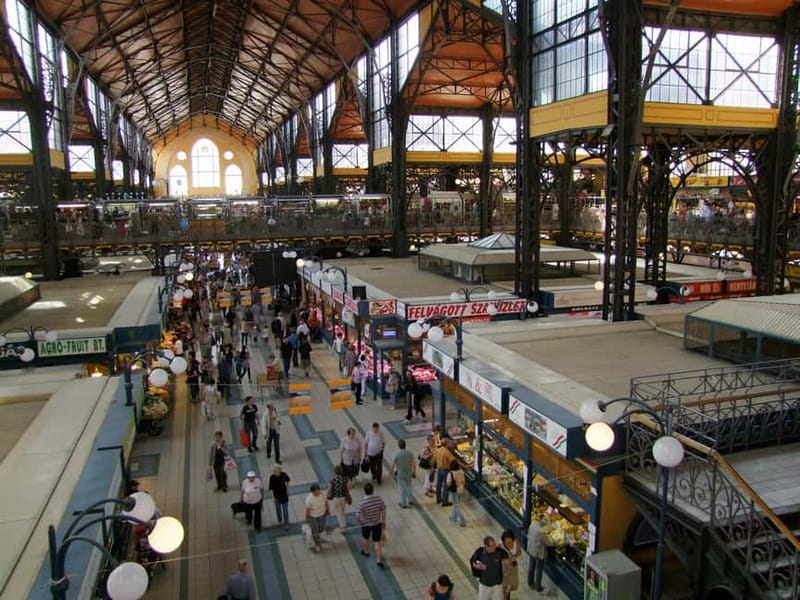
Budapest’s Central Market Hall is the kind of place where you can wander for hours, but you’ll miss connections if you do it alone. This tour starts you inside the main entrance near the up escalators, so you’re immediately in the thick of it with a guide who knows what’s worth noticing.
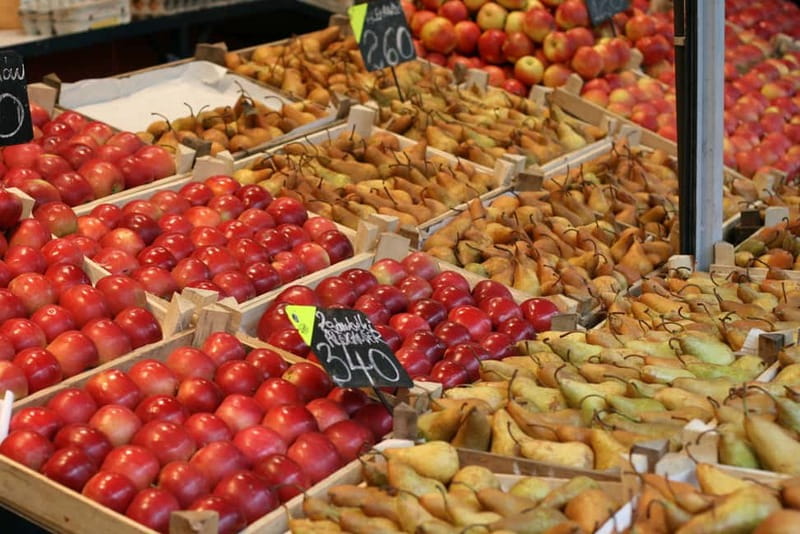
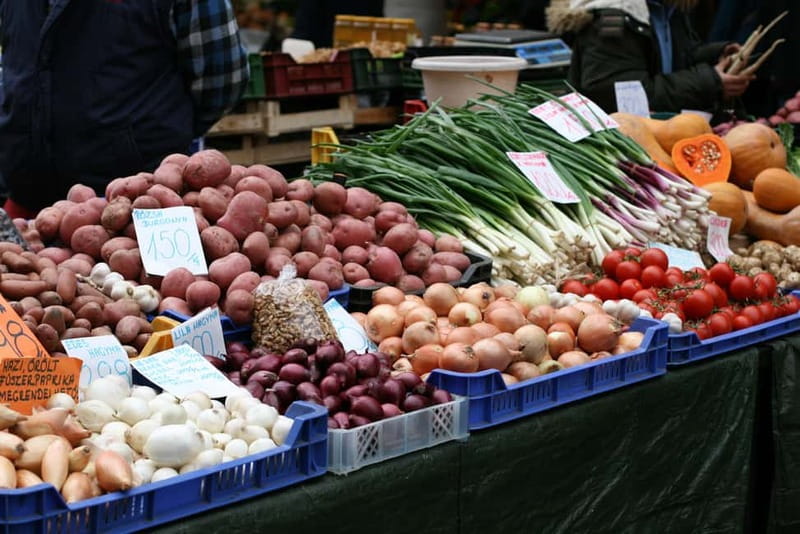
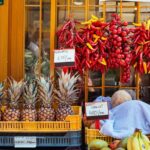
I like that the first big chunk isn’t just shopping for the sake of shopping. You’re shown the building’s background and you’re encouraged to look closely at the produce and food stalls. That matters because Hungarian cooking is ingredient-driven. When you see what’s available and how it’s displayed, you get a clearer picture of what ends up in soups, pastries, meats, and stews later on.
And yes, it’s also simply fun. The market has that day-to-day energy—people comparing items, vendors talking, shoppers making choices. It’s an easy first win for first-time visitors. The Skip the ticket line detail is small, but it keeps your time focused on eating instead of waiting.
If you’re coming in from the metro, Kálvin tér (M3) or Fővám tér (M4) puts you in range. If you’re tram-ing, take 47 or 49 to Fővám tér. Either way, plan a few minutes buffer so you can find the meeting point without stress.
You can also read our reviews of more food & drink experiences in Budapest


The market’s food culture lesson: more than just pretty stalls
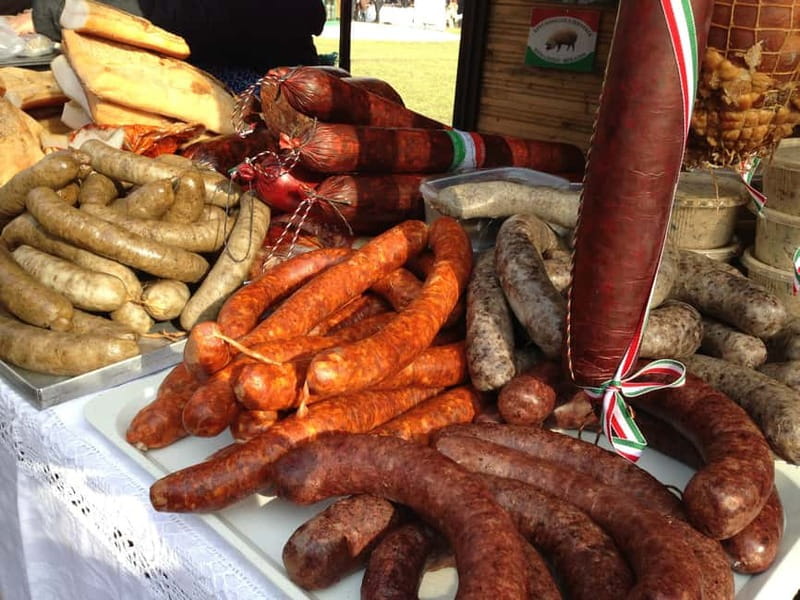
The guide’s job here is to turn the market into context. You don’t just look at food—you learn why certain staples are treated like essentials in Hungarian kitchens.
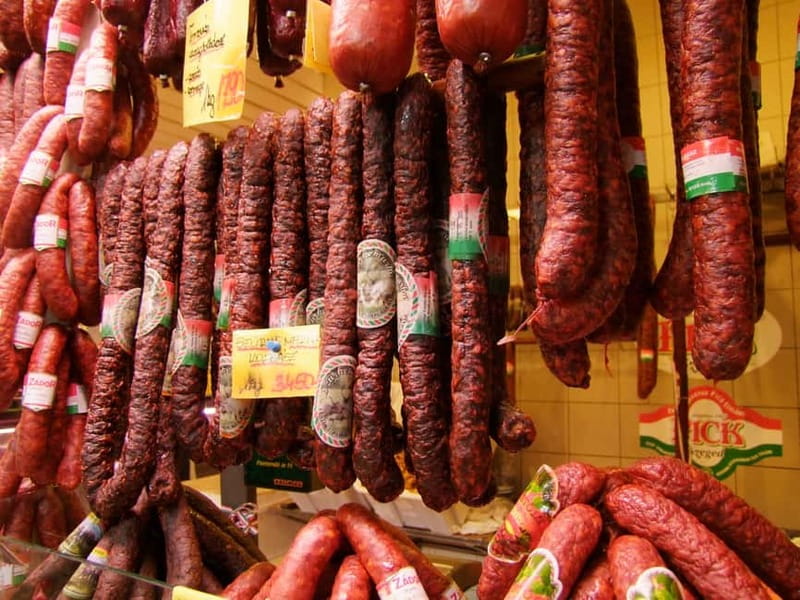
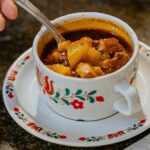
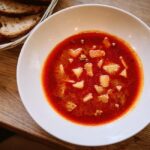
A big part of the tour’s charm is the way it links ingredients to everyday cooking. You hear how locals use items like pork fat, paprika, and goose liver, and you’ll get the sense of how those flavors fit together. That kind of explanation makes the later tastings feel less like a random menu and more like a story you can follow.
You’ll also see how Hungarian food culture isn’t limited to one style. The tour takes you into nearby neighborhoods afterward, which helps you understand how food habits shift across different communities and shops. That’s one of the reasons this walk works so well early in a trip. It’s not trying to be your entire culinary plan. It’s giving you a framework.
One practical point: Central Market Hall is active and crowded, and you’ll be on your feet. Wear shoes that can handle uneven or busy flooring. You’re also likely to end up wanting small things to bring home, because the tour includes stops where food shopping is part of the experience.
What those 4 to 5 venues really add to your day
The tour isn’t only about the market. The best value is the sequence of different shop types. You’ll move through the surrounding areas and visit artisan-style places that you might not find on your own—spice shops, kosher bakeries, coffee houses, candy producers, or artisan chocolate shops, depending on what’s open on your day.
That variety matters for two reasons:
1) it shows how Hungarian food lives beyond one famous landmark, and
2) it gives you multiple bites instead of one long sit-down meal.
You may have a typical tasting experience at a butcher’s shop, where you get samples tied to Hungarian meat traditions. You’ll also visit a traditional patisserie to taste elegant cakes. Sweet lovers should pay attention here: this is not just a token dessert moment. It’s part of the flow, and it’s one of the easiest ways to understand how pastry fits into the wider food culture.
Some days, the chocolate or candy stop is highlighted more. Other days, the spice and coffee stops take center stage. Either way, the tour aims to give you broad coverage without drowning you in too much food at one time.
Also, the tastings are described as generous. That doesn’t mean you’ll eat until you’re stuffed, but it does mean you’ll want a real start—skip the big breakfast and save room. If you come in already full, you’ll feel the tour faster but enjoy it less.
The guided ingredient stories you’ll actually remember
Here’s where the walk becomes more than just eating. The guide connects ingredients and technique to what you’re tasting and seeing.
You learn about signature flavors that make Hungarian food recognizable:
- Paprika as a core seasoning (not just a red color).
- Pork fat as a traditional ingredient that affects texture and richness.
- Goose liver as a classic component in dishes that feel both rustic and elegant.
Those explanations are especially useful if you’re planning to eat on your own afterward. You’ll be able to look at a menu and understand what you’re likely to taste. That’s a practical advantage. It turns “I’ll just order whatever” into “I know what I’m looking for.”
The pacing also helps this stick. Because you’re walking between stops, each tasting acts like a checkpoint. You can absorb the explanation without feeling stuck in a classroom. And if you like asking questions, this format makes it easy.
One hint: bring curiosity. If you wonder why something tastes a certain way or where a flavor shows up in a dish, this is the kind of tour where your questions can actually shape the conversation.
Coffee, cakes, and the stops that make it feel local
Food tours sometimes get stuck in a single mode: eat, repeat, move on. This one keeps the mood human.
After the market, you’ll find yourself in places that feel like they serve locals first. Coffee and cake are built into the schedule, and the tasting approach usually includes small samples that let you compare textures and sweetness levels. You may also find yourself in a shop that sells locally produced chocolates, with a chance to eat them at a coffee house.
This is also a great segment for photos. There are stops to take pictures and ask questions, and the tour includes time for some food shopping. That means you aren’t just rushing to the next tasting. You’re allowed to linger briefly, which helps the day feel like a walk through a real food neighborhood.
If you’re the type who hates feeling hurried, you’ll probably like the structure. People mention the pacing and group interaction as standout points, and the small-group size is what keeps that possible.
You can also read our reviews of more tours and experiences in Budapest


Ending with Hungarian wine: a practical way to pick bottles later
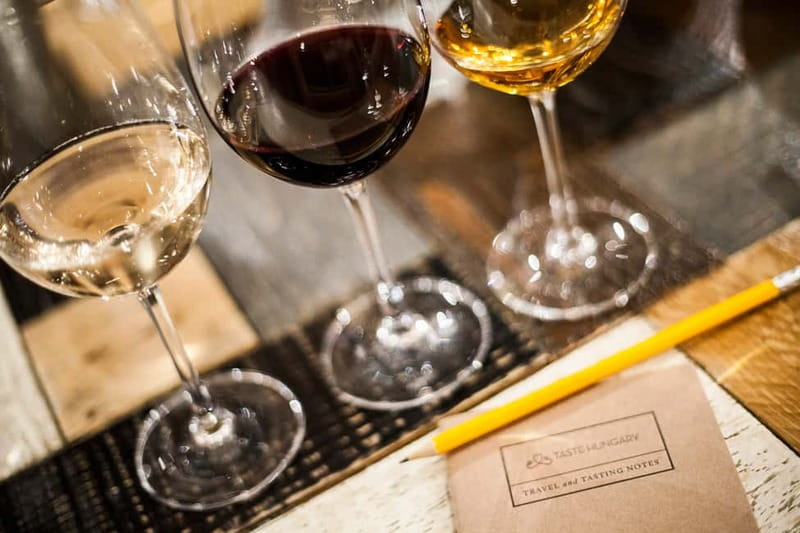
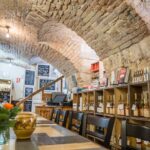
The finish is the wine tasting, and it’s set up to teach you what to look for next. You’ll end the tour with tastings of 3 essential wines from different Hungarian wine regions.
This matters because Hungary’s wine scene isn’t one-note. The idea of multiple regions gives you a quick education in style and character. You don’t need to memorize producer names on the spot. You just need to notice what you like and why.
People often highlight this part as a favorite—there’s even a named host, Carlos, who comes up in feedback as a friendly guide through the tasting. If that’s who you get, great. If not, the concept stays the same: you’ll taste more than one kind of wine and get the context that helps you interpret what’s in the glass.
At the end of the walk, you’ll also have a stronger sense of how Hungarian food and wine pair. You’ll have already learned about rich ingredients and signature spices, so you can start thinking about what drinks fit that style of cooking.
Timing, walking pace, and why comfort affects value
The tour runs about 4 hours. Starting times vary by availability, so check your options when you book.
Because it’s a walking tour, the “duration” number can feel short on paper and real on your feet in practice. The day is designed around multiple stops, and there are photo breaks and shopping breaks along the way. That’s good—those breaks keep you engaged—but you should still plan on covering ground.
Also, it’s rain or shine on most days. The only exceptions noted are Sundays and Hungarian national holidays, when some venues may be closed. If you’re traveling on a Sunday or a holiday, don’t assume the same schedule will run smoothly. You may want to check alternatives.
Small group matters here too. When you’re in a group of up to 8, the guide can keep an eye on the room, answer questions, and help you pace the tastings. That’s part of why this tour earns such high marks for interaction and how quickly you feel oriented in Budapest.
Value-wise, $120 for a 4-hour walk with skip-the-line access, a bottle of mineral water per person, and multiple tastings (plus wine) is fair—especially if you compare it to the cost of paying for market entry, individual tastings, and then adding a wine session on top. The tour is trying to bundle the “learning + sampling” into one structured experience.
One more practical note: it’s not wheelchair accessible, so if mobility is an issue, plan another option.
Price and logistics: who should book, and who might skip
At $120 per person, this is not the cheapest thing you’ll do in Budapest. But it is built for people who want value in the form of variety and direction, not just food.
This walk is a great fit if:
- You’re in Budapest for the first time and want fast orientation.
- You like learning what you’re eating (ingredients and use in cooking).
- You want multiple small tastings rather than one big meal.
- You want an easy, structured way to try Hungarian wine across regions.
It might be less ideal if:
- You hate walking and long standing in markets.
- You’re sensitive to lots of small food samples in one afternoon.
- You need full accessibility support.
If you’re deciding between doing food “on your own” versus with a guide, think about what you want most. This tour is for people who want someone to connect the dots: what paprika means, why certain ingredients show up, and how Hungarian wine works across regions.
Should you book Budapest Culinary & Wine Walk?
Yes—if you want a strong first-pass taste of Hungary with a guide who keeps it moving and makes the ingredients make sense. I’d book it early in your trip, when you can use what you learn to shop and order confidently later.
You should also book it if you’re the kind of eater who likes variety: market produce, artisan shops, pastry, coffee, and a wine flight. It’s built so you don’t have to plan a route or guess where to go.
Just do one simple prep: wear comfortable shoes, and plan to arrive hungry. This isn’t a “light snack” experience. It’s a smart 4-hour food-and-wine education you can finish with a clear sense of what you want to try again.
FAQ
How long is the Budapest Culinary & Wine Walk?
The tour lasts about 4 hours.
What does the tour cost?
The price is listed as $120 per person.
Where do I meet the guide?
Meet inside the main entrance of Central Market Hall near the up escalators, at Vámház körút 1-3. The guide will be holding a canvas tote bag with the tour operator logo.
What is included in the price?
You get an English-speaking guide, bottle of mineral water per participant, generous food and drink tastings, visits to Central Market Hall plus 4 to 5 additional venues, and time for photo stops and food shopping.
How many places will we visit?
You’ll visit Central Market Hall and then 4 to 5 additional venues, for a total of multiple tastings across the walk.
Is there a skip-the-line option for the market?
Yes, the tour includes skipping the ticket line.
What days does the tour run?
It’s available any day of the week except Sundays and Hungarian national holidays, when some venues may be closed.
Is it wheelchair accessible?
No, the tour is not wheelchair accessible.
How big are the groups?
There are private or small groups. Small groups require a minimum of 2 participants and a maximum of 8. Private tours can be customized and should be requested during booking.
What if I cancel?
Free cancellation is offered up to 24 hours in advance for a full refund.