REVIEW · BUDAPEST
Budapest Half-Day Tour: Life Behind the Iron Curtain
Book on GetYourGuide →Operated by Budapest Day Trips · Bookable on GetYourGuide
Cold War ghosts live in plain sight. This private half-day tour strings together Gellért Hill’s Liberty Statue views with the heavy realities behind the Iron Curtain, then moves on to the Terror Museum and an open-air monument park. It’s history you can see from streets and stairways, not just read in books.
I especially like how the route connects the end of World War II to what followed, so you understand why symbols, statues, and museums became part of daily life. A possible drawback: the emotional tone is serious, and you’ll spend part of the time outside—dress for weather and pace yourself.
In This Review
- Key Points Worth Booking for
- Citadella to the Liberty Statue: Why This Skyline Felt Like a Message
- Terror House on Gellért Hill: What the Audio Guide Helps You Understand
- Memento Park: Reading Propaganda by Seeing It Removed from the City
- Marx, Lenin, and the Timing of a Fallen System
- Children’s Railway in the Buda Hills: Ending With a Different Kind of Memory
- Price and Value: What $511 Covers (and What It Doesn’t)
- Timing, Pickup Areas, and How to Prepare for a Comfortable Half Day
- Should You Book This Iron Curtain Half-Day Tour?
- FAQ
- How long is the Budapest Half-Day Tour: Life Behind the Iron Curtain?
- Where are the pickup and drop-off locations?
- Is this tour private?
- What’s included in the price?
- Are museum entry fees included?
- What should I bring?
Key Points Worth Booking for
- Freedom Statue specifics that change how you read Budapest’s skyline (including its original dedication and scale)
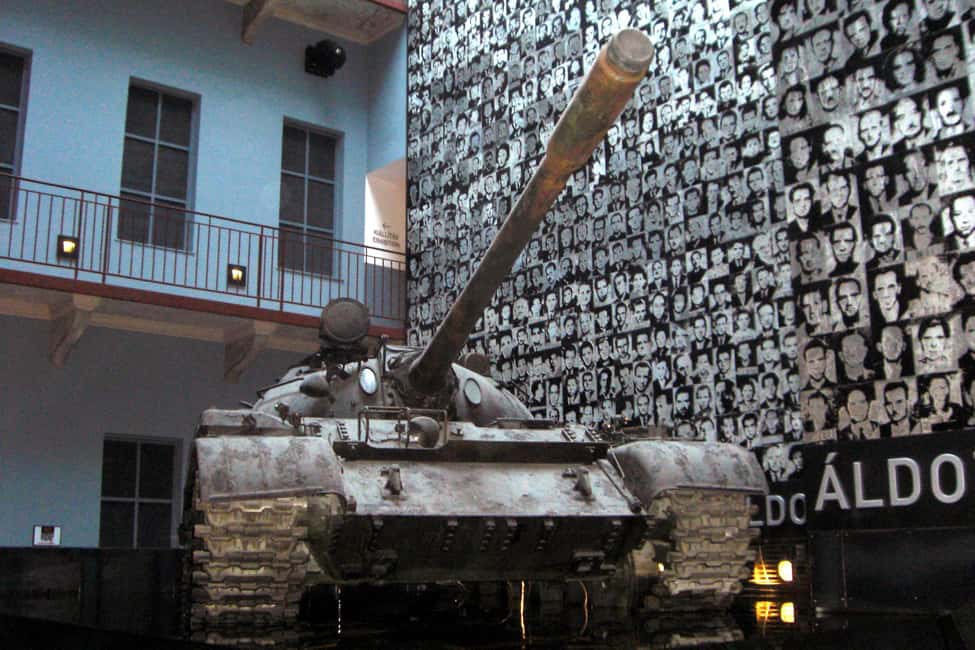
- Terror House audio guide built around victims of the Communist era
- Memento Park’s 42 relocated monuments, including the 6-meter Liberation Army Soldier
- A private format that typically mixes short walking with van transfers for less stress in a half day
- A surprising softer ending with the Children’s Railway ride in the Buda hills
- Value when split up: the group price covers guide + transfers + entry into Memento Park
Citadella to the Liberty Statue: Why This Skyline Felt Like a Message
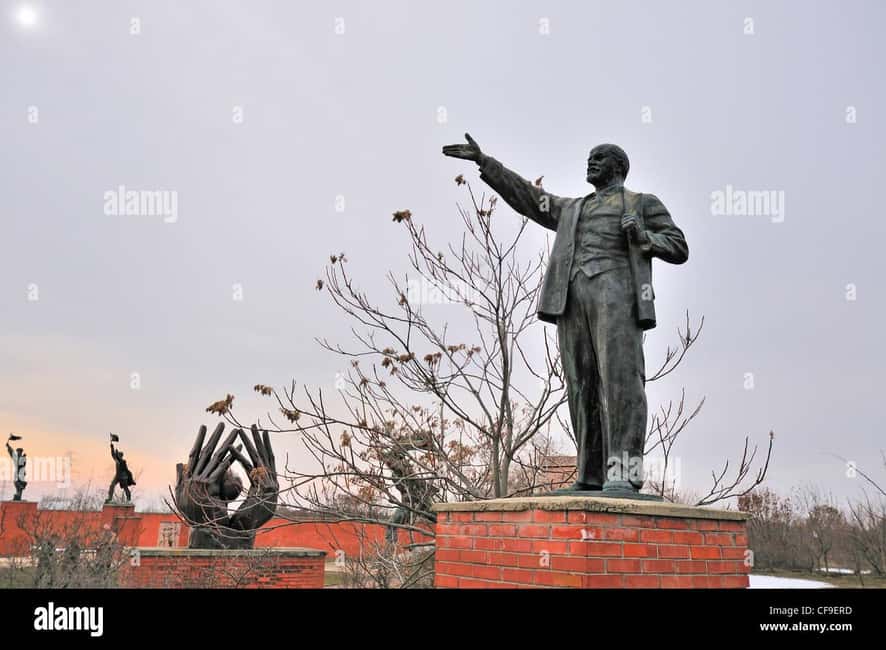
Budapest has plenty of viewpoints, but Gellért Hill hits differently. From here, the city looks calm. The story your guide tells turns that calm into a headline: after the siege of Budapest and the chaos at the end of World War II, occupation and propaganda started shaping everyday life.
The tour begins with the Citadella area and the big ideas behind it. You’ll learn about the siege of Budapest near the end of World War II—when control over the city shifted, and Hungary’s future swung into a long period of Soviet influence. This part matters because it’s the beginning of the occupation story, not a random stop for photos.
Then comes the Liberty Statue—the huge monument on Gellért Hill that many people notice without fully grasping. It was erected in 1947. It was originally dedicated to Russian troops. The numbers are the kind that make your brain do math: the pedestal is 26 meters high, and the statue itself is another 14 meters. That scale is why it’s considered among the tallest monuments of its type in Europe.
Here’s what I think you’ll appreciate most: the tour doesn’t ask you to treat it as a simple “freedom or oppression” poster. Instead, it helps you see how meaning can change. Today the statue is treated as a universal symbol of freedom, and it’s become a key part of the city panorama. But knowing its start as a dedication gives you a more honest read of what power looks like—then and now.
Practical note: viewpoints on hills usually mean stairs, uneven spots, and wind. If you’re sensitive to heights or cold, bring a layer you can pull on fast.
You can also read our reviews of more tours and experiences in Budapest



Terror House on Gellért Hill: What the Audio Guide Helps You Understand
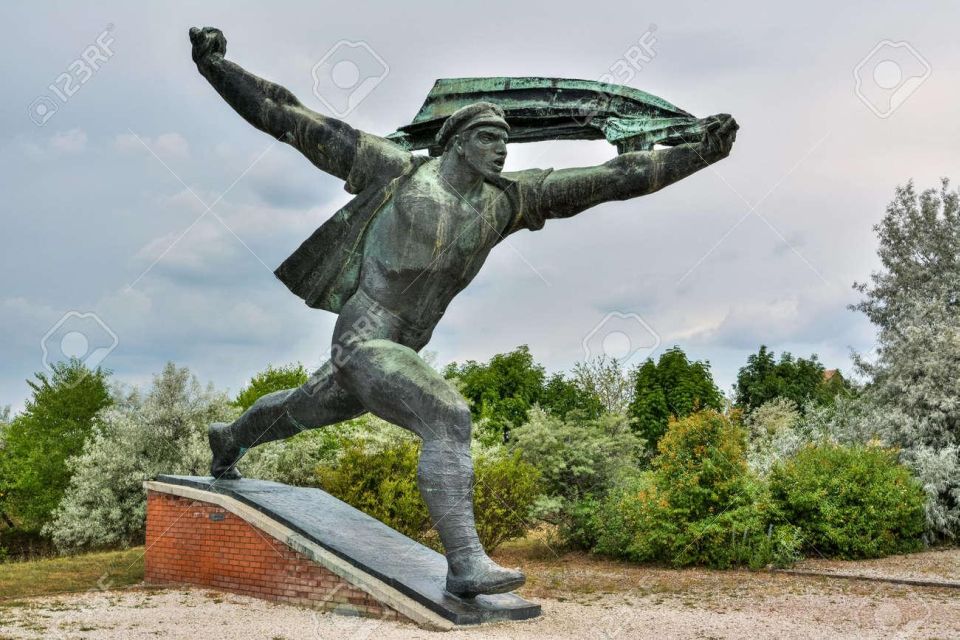
After the sweeping views, the tour shifts into the kind of museum that doesn’t waste your time. The Terror Museum, often called the Terror House, focuses on people who were victims during the Communist era. The guide frames what you’re seeing so it doesn’t become a list of names or dates. It’s about how a system works on people, not just what happened in the past.
One smart thing in this experience: the museum experience includes an audio guide. That matters because you can slow down when a display grabs you, and you don’t feel like you have to sprint to keep up. In a subject like this, pace is everything. Audio also helps you stay inside the material instead of constantly trying to translate what’s in front of you.
What you’ll likely notice as you move through: the museum is dedicated to victims, so the tone remains human. The guide’s job here is to connect the museum’s themes to what you heard earlier—how a political system can turn fear into routine, and how that fear gets enforced.
This is one of those tours where you should plan to feel something. If you come in expecting a light walking tour, you’ll be surprised. If you come in wanting context—how Hungary lived under the Communist era—this stop is the anchor.
If you get easily overwhelmed by heavy content, you can still do this tour. Just give yourself permission to step aside when you need a break, and keep water handy.
Memento Park: Reading Propaganda by Seeing It Removed from the City
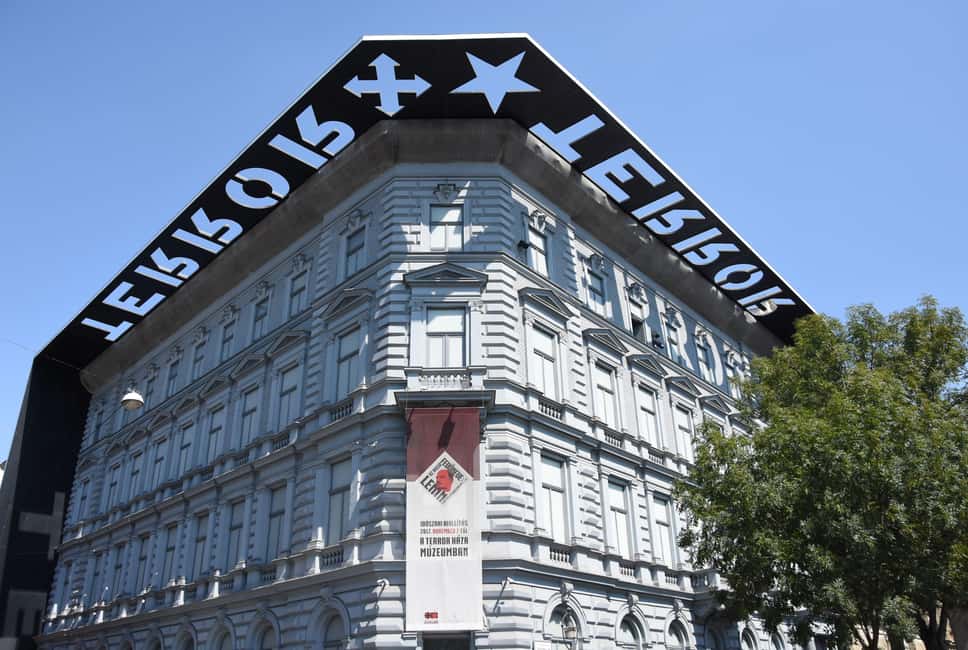
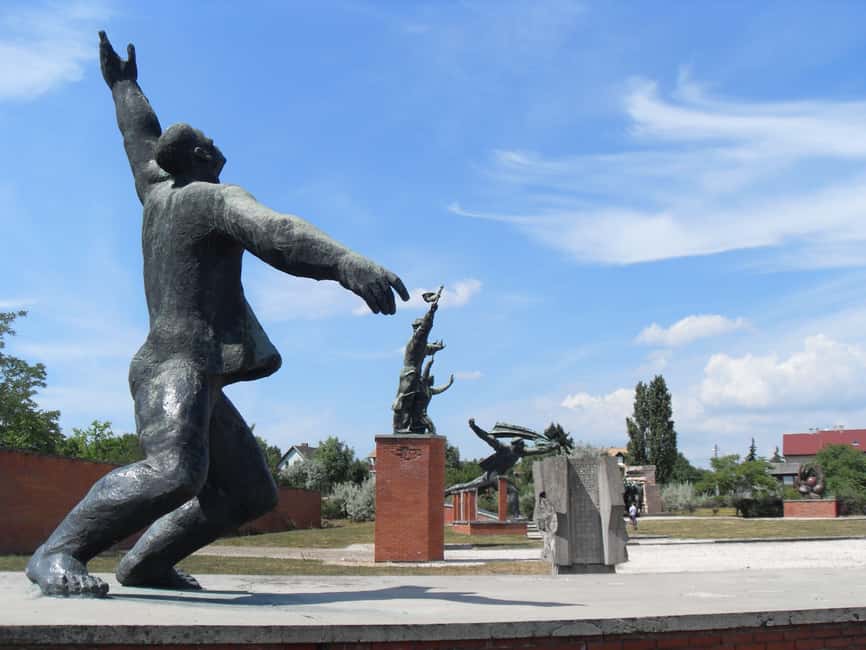
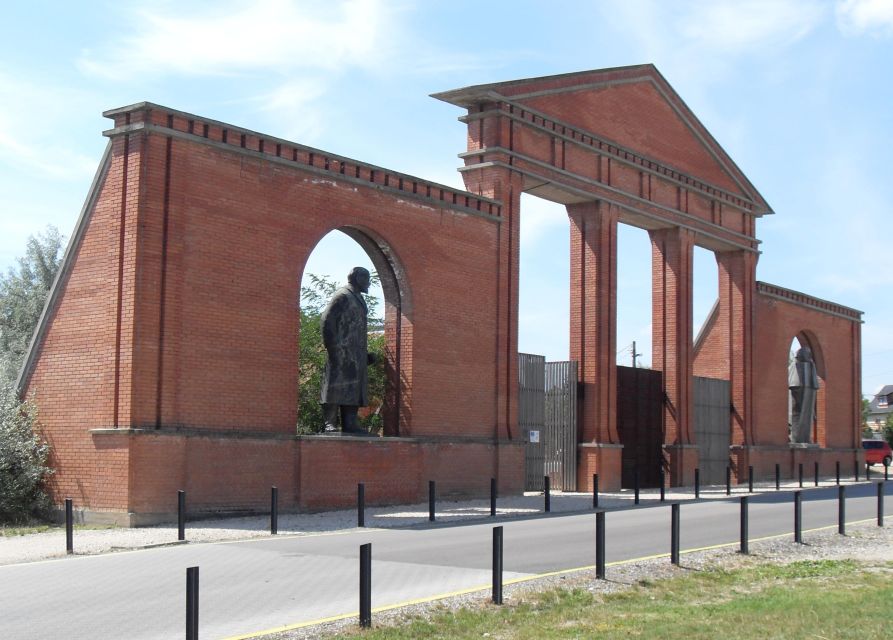
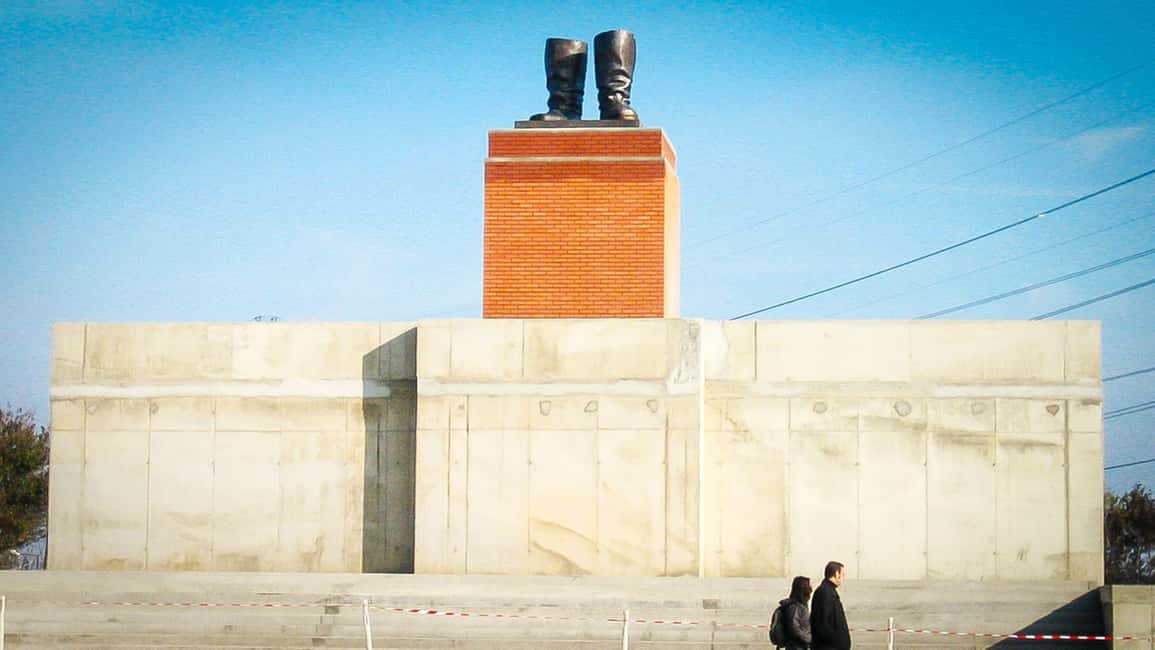
Next stop is Memento Park, the open-air museum where a lot of the Communist-era iconography was moved out of Budapest’s main city spaces. The concept is simple and powerful: when a regime falls, the symbols often don’t just disappear. They get relocated. Sometimes they’re taken apart. Sometimes they’re put on display where the public can stare at them without being trapped inside their message.
This tour brings you into Memento Park with a guided explanation, and it also includes entry into Memento Park, which helps you keep the day flowing.
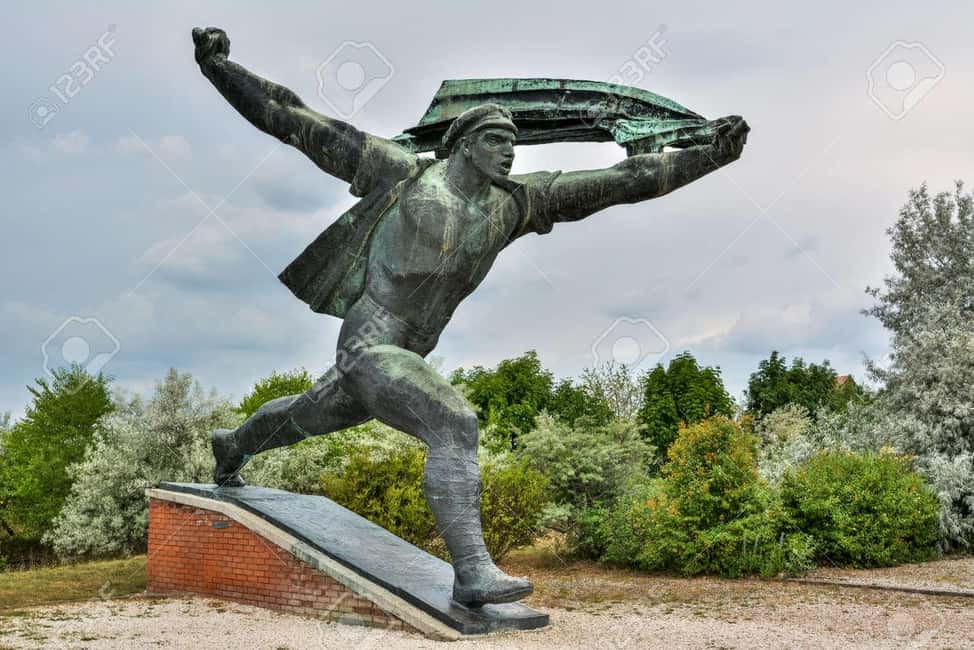
What makes this stop especially worthwhile is scale. The collection includes 42 pieces. You’ll see a mix of statues and monuments erected from 1945 to 1989, including major political names and military symbolism. Among the figures you’ll encounter are statues of Marx and Lenin, plus Hungarian Communist leaders, including Ostapenko. You’ll also see the Memorial of the Hungarian-Soviet Friendship, and the Liberation Army Soldier—a 6-meter-tall figure.
This is where the tour’s story clicks for a lot of people. In everyday life, propaganda is often designed to blend in—on squares, at entrances, along routes you take without thinking. In Memento Park, you see the same objects stripped of their original framing. Your brain can finally ask: Why were these places chosen? What did the regime want people to feel? Who gets erased when power rewrites public space?
Also, because it’s outdoors, you can connect monuments to the physical logic of visibility. It’s not abstract. It’s in front of you, in open air, and you can walk around it.
One consideration: outdoor museums can mean uneven ground and longer walking time than you expect. Wear shoes you’d choose for cobblestones or city stairs, not just “nice sightseeing sneakers.”
Marx, Lenin, and the Timing of a Fallen System
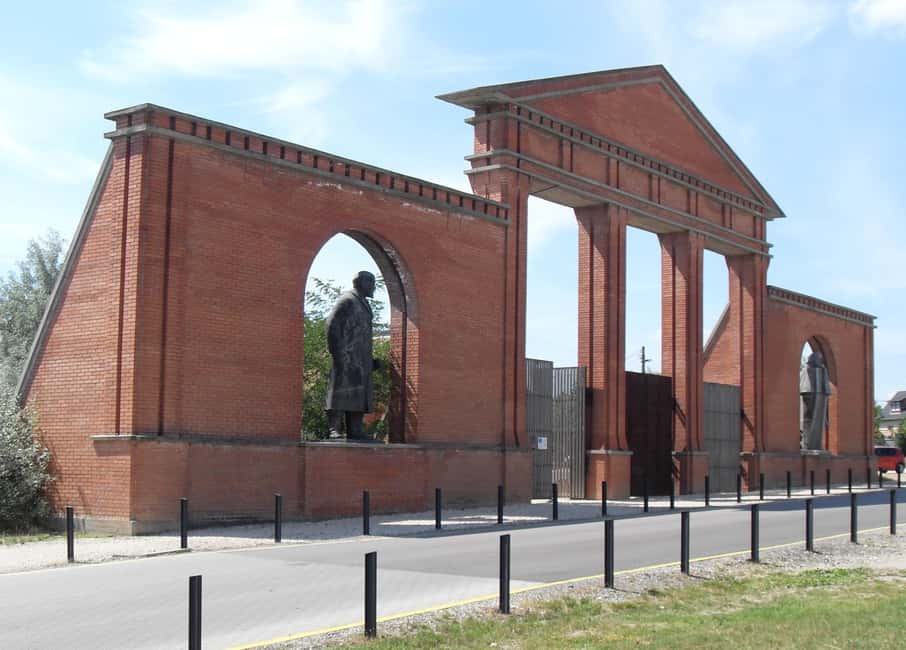
You might be wondering why the tour focuses so much on statues and monuments. Here’s the practical reason: under totalitarian systems, public art often doubles as social control. The guide helps you understand that these pieces weren’t neutral decorations. They were meant to teach. They were meant to signal who belonged, what was acceptable, and what consequences waited for dissent.
A guide will point out names and show you specific pieces, including those linked to the Communist era. You’ll hear how the collection includes famous personalities and how the memorials were relocated from the city to the open-air museum. That relocation isn’t just a logistical choice—it’s part of the transition from enforced ideology to historical reflection.
And the tour doesn’t end in heavy mode. It saves a different kind of perspective for the final stop.
Children’s Railway in the Buda Hills: Ending With a Different Kind of Memory
To close, the tour heads to the Buda hills for a ride on the Children’s Railway. This is one of those Budapest details that sounds almost too cute for the Cold War theme—until you learn the backstory.
The railway originally was known as the Pioneer’s Railway. It opened in 1949 and operated with children aged 10 to 14. That fact can feel jarring at first. But the tour’s framing gives it context: kids weren’t only taught facts; they were taught the role they were expected to play in society.
Then you’re back on the ground, literally riding through the hills. You get a more personal, human note at the end—something you can talk about as you’re watching the landscape move past (not just thinking about it).
Is it a “fun ride” stop? Yes, in the way that it’s a real local experience. Is it a denial of the darker history you just saw? No. It’s a reminder that even a strict era has ordinary moments, and childhood education often reflects the politics of the time.
Practical tip: bring a light layer. Hill rides can feel cooler than the city center, and you may spend a little time waiting.





Price and Value: What $511 Covers (and What It Doesn’t)
This tour is priced at $511 per group, for a private group up to 6. That pricing model changes how you should evaluate value.
If you fill the group, the per-person cost can drop dramatically compared with solo touring—especially because your day includes real logistics, not just a guide with a walking route. You’re getting transfers plus a guide, and you also have entry into Memento Park included.
What’s not included is broad: entry fees (beyond Memento Park) and lunch. That means you should budget a little extra if any museum admissions or related costs apply on the day. Since the tour content clearly includes multiple sites, it’s smart to be prepared with some cash/card for anything outside the listed inclusions.
The half-day length also plays into value. You cover multiple big memory sites in one go: Citadella viewpoints, the Terror House museum time with the audio guide, Memento Park’s major statue collection, and then the Children’s Railway ride. That’s a lot to compress into around five hours—so the private format and transfers help you avoid wasting time between stops.
Bottom line: this is a good value when you want context and don’t want to stitch together transport, tickets, and narration on your own.
Timing, Pickup Areas, and How to Prepare for a Comfortable Half Day
This is a 5-hour private tour. Starting times vary, so you’ll need to check availability for the slot that fits your day in Budapest.
Pickups and drop-offs are arranged by district:
- Pickup options in District XI, V, or VII
- Drop-offs back in District VII, V, or XI
This is helpful because it reduces the “cross-city shuffle” problem that can kill a half day. You also have the benefit of guided transitions, so you’re less likely to lose time figuring out where you’re supposed to be next.
Because the day includes both outdoor viewpoints and museum time, plan for two realities:
- You’ll do some walking on uneven ground.
- You’ll need layers because hills and weather can change quickly.
Also, bring passport or ID card. It’s a small line item, but it can become annoying if you forget it.
Finally, the tour is marked wheelchair accessible, which is a strong signal that the route and transfers are designed with mobility needs in mind. If you use a wheelchair or mobility aid, it’s still worth flagging your needs when you book so the operator can align the plan to your comfort.
Should You Book This Iron Curtain Half-Day Tour?
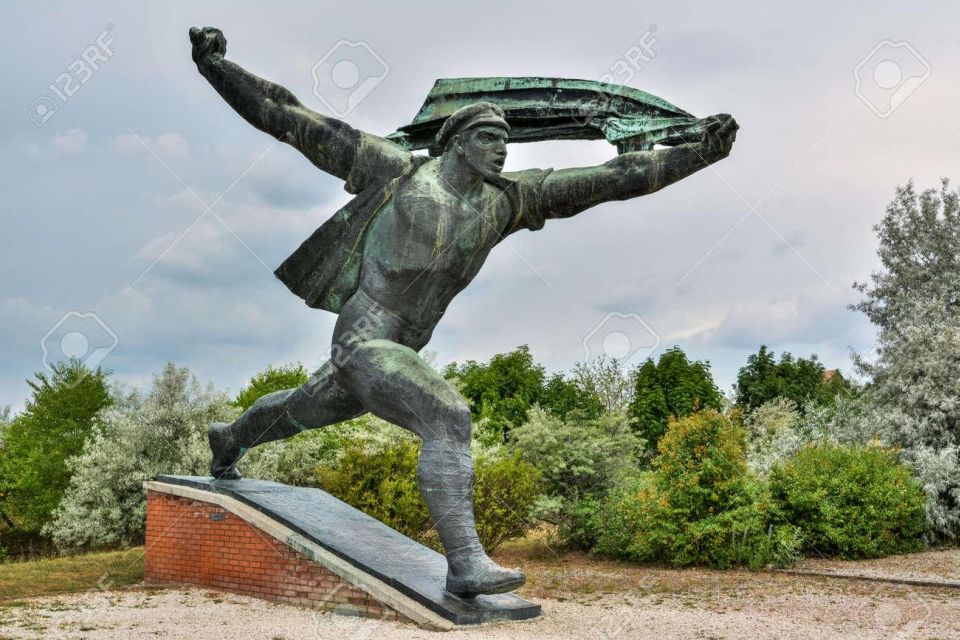
Book it if you want Budapest beyond the postcards. This tour is for travelers who like meaning and context. You’ll learn how the siege of Budapest helped set the stage for occupation, how the Liberty Statue’s origin complicates the idea of freedom, and how Communist-era terror gets turned into a museum narrative. Memento Park then gives you the visual proof—statues and memorials relocated so you can study them without the original political pressure.
Also book it if you prefer a private format. With a small group (up to 6) and transfers built in, you get a smoother day and more direct Q&A with the guide. The guide experience matters here; one guide named Thomas is noted for making the explanations land and for balancing van time with purposeful walking.
Skip it if you want a purely light sightseeing day. This includes a museum dedicated to victims of the Communist era, and it’s not trying to be cheerful. And if you hate hills or extended outdoor time, you might find parts of the route physically challenging.
If you’re curious, respectful, and willing to slow down for a serious story, this is an excellent half-day choice.
FAQ
How long is the Budapest Half-Day Tour: Life Behind the Iron Curtain?
The tour lasts 5 hours, with starting times depending on availability.
Where are the pickup and drop-off locations?
Pickups are available in District XI, District V, or District VII. Drop-offs are in District VII, District V, or District XI.
Is this tour private?
Yes. It’s a private group experience.
What’s included in the price?
The price includes transfers, a guide, and entry into Memento Park.
Are museum entry fees included?
Entry fees are not included, except that entry into Memento Park is included. Lunch is also not included.
What should I bring?
Bring a passport or an ID card.