REVIEW · BUDAPEST
Budapest: Street Art Tour
Book on GetYourGuide →Operated by Budapestflow.com · Bookable on GetYourGuide
Street art in Budapest reads like a newspaper. In this 3-hour small-group tour, you’ll walk through the city’s Jewish Quarter and read murals and graffiti as part of everyday contemporary culture. It’s not just for photos; you get a guide who explains themes, context, and the artists behind what you’re seeing.
I especially love the piece-by-piece discussion, because each artwork comes with meaning, not just a quick description. I also like that the tour ends with a coffee stop at a local shop, so you can warm up and reset. One possible drawback: the tour focuses on walking and looking, and only coffee is included, so plan your meal timing around it.
In This Review
- Quick highlights you’ll remember
- Why Budapest street art feels like real culture, not decoration
- Jewish Quarter murals: where meaning and memory meet
- How the guide turns street art into an urban history lesson
- The walking rhythm: 3 hours that move, but don’t rush
- Coffee at My Little Melbourne: a small break with real payoff
- What you’re paying for: $53 and the value of context
- Who this Budapest street art tour fits best
- Practical tips before you go
- Should you book this Budapest street art tour?
Quick highlights you’ll remember
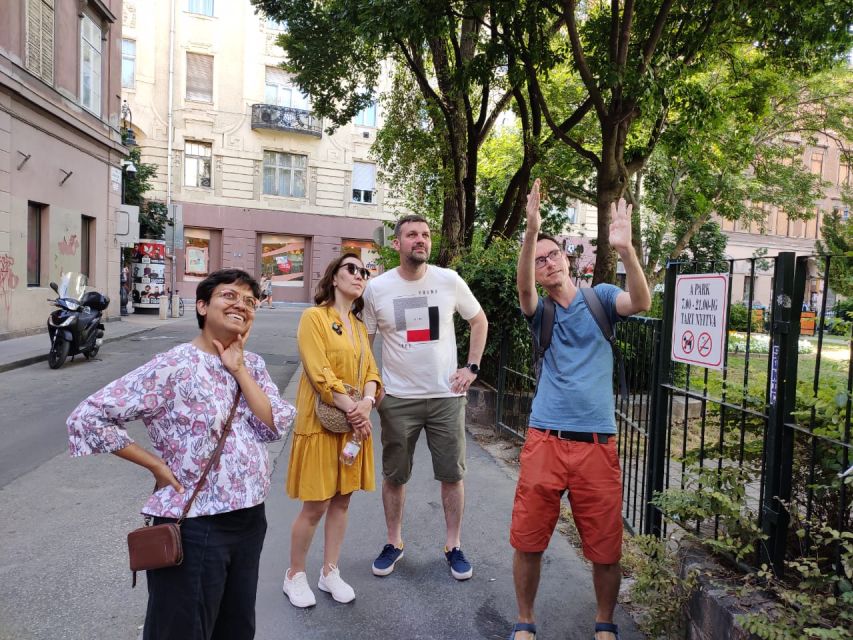
- Jewish Quarter street art walk: where the walls tell stories about identity and community
- Politics explained through art: you’ll connect themes to what’s going on around you
- Small group, lots of questions: limited to a tight group size
- Local coffee included: a calm pause during the 3-hour route
- English live guide: discussion-led instead of a passive sightseeing loop
Why Budapest street art feels like real culture, not decoration
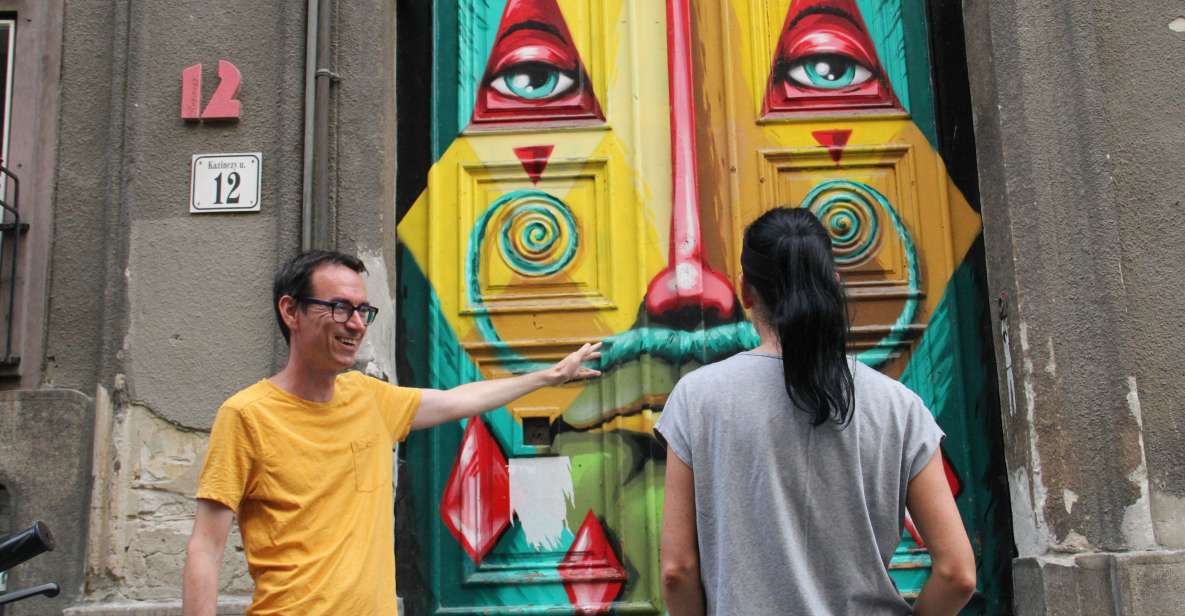
Budapest street art is one of the fastest ways to understand what people care about right now. Buildings and courtyards can look timeless, sure, but the street art scene moves with the present—ideas, tensions, humor, and pride all show up on walls where you least expect them.
What makes this tour work is the way it treats street art like a language. You’re not just watching color and style; you’re learning how artists use public space to say things they can’t easily say in private. That turns a random walk into a practical education in how cities think.
And because it’s a guide-led experience, you’re not stuck guessing. You’ll get a discussion for each piece so you can understand the themes and the socio-political context, plus who made it. That is exactly the difference between seeing street art and actually reading it.
You can also read our reviews of more tours and experiences in Budapest
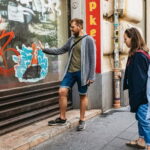

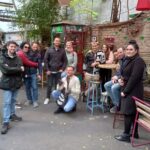
Jewish Quarter murals: where meaning and memory meet
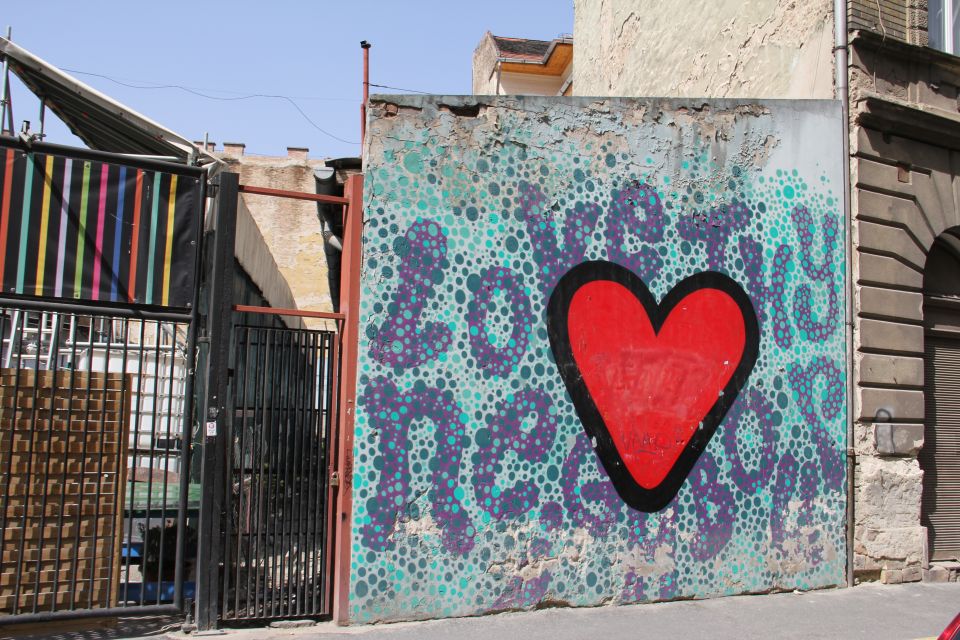
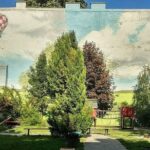
The Jewish Quarter is your core zone for the walk, and it’s the right choice for this kind of tour. This area carries layered stories, and you’ll notice street art showing up against walls that might otherwise feel quiet or plain. The contrast is part of the point: contemporary commentary placed right beside older streetscapes.
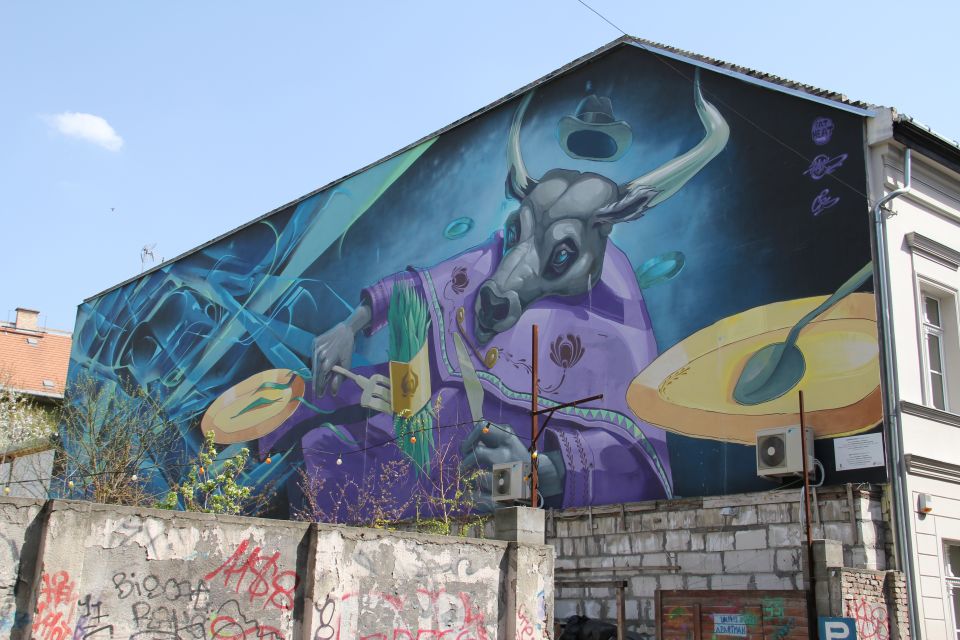
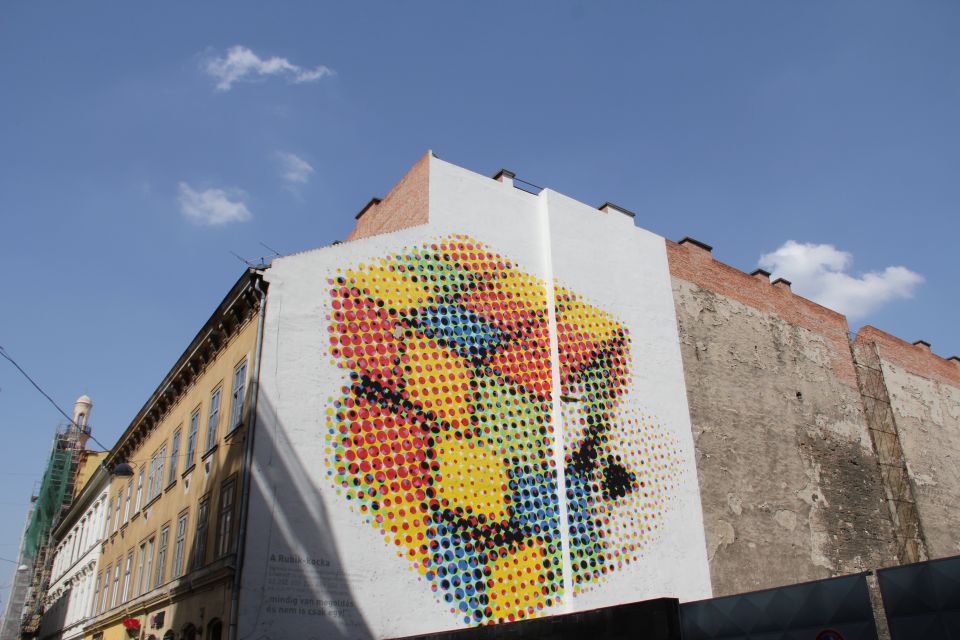
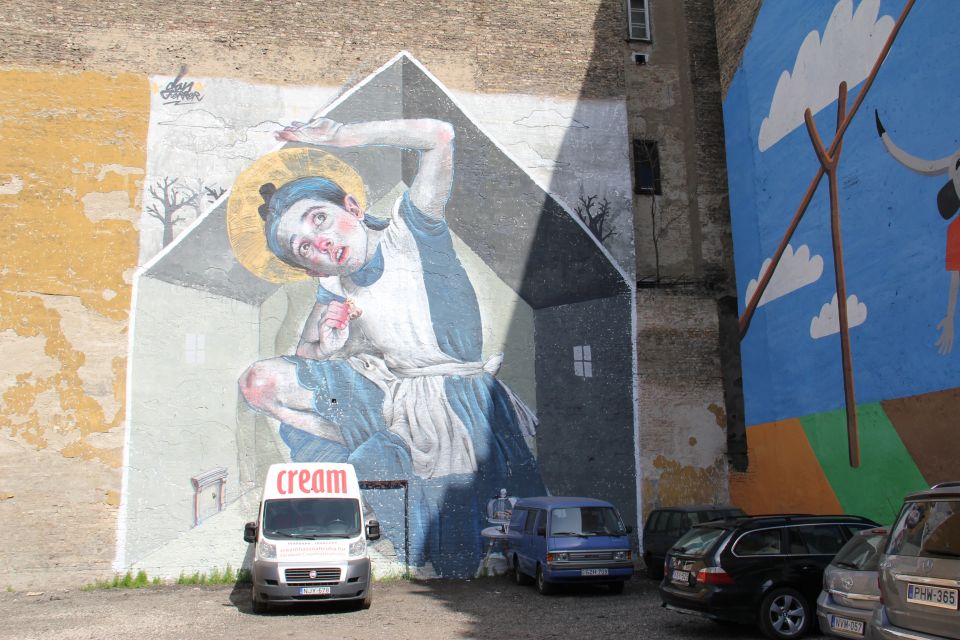
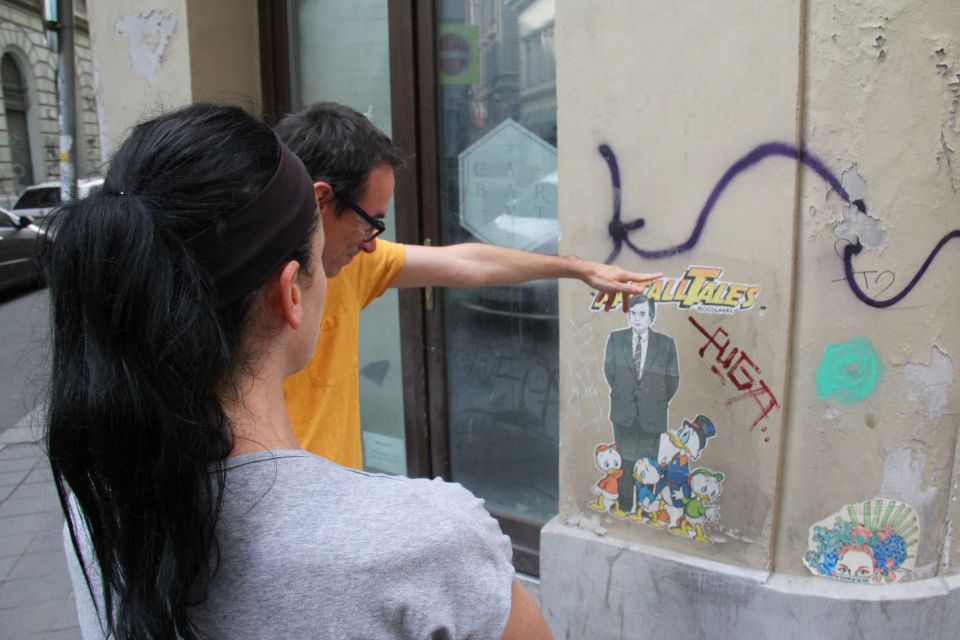
You’ll spend the bulk of your time looking at murals, graffiti, and other street artworks. The route is designed so that as you keep walking, you keep spotting new work—so it starts to feel like the city has been talking to you the whole time, and you’re only now learning the vocabulary.
The best part is how the guide connects the art to everyday urban life. You’ll hear how locals use this art form to celebrate values and ways of life they care about. That gives you a grounded sense of modern Budapest, not just a postcard version.
A practical tip: bring patience for the slow moments. When you’re listening to context, you’ll look longer at details you might normally skip—word choices, symbols, and the mood behind the style.
How the guide turns street art into an urban history lesson
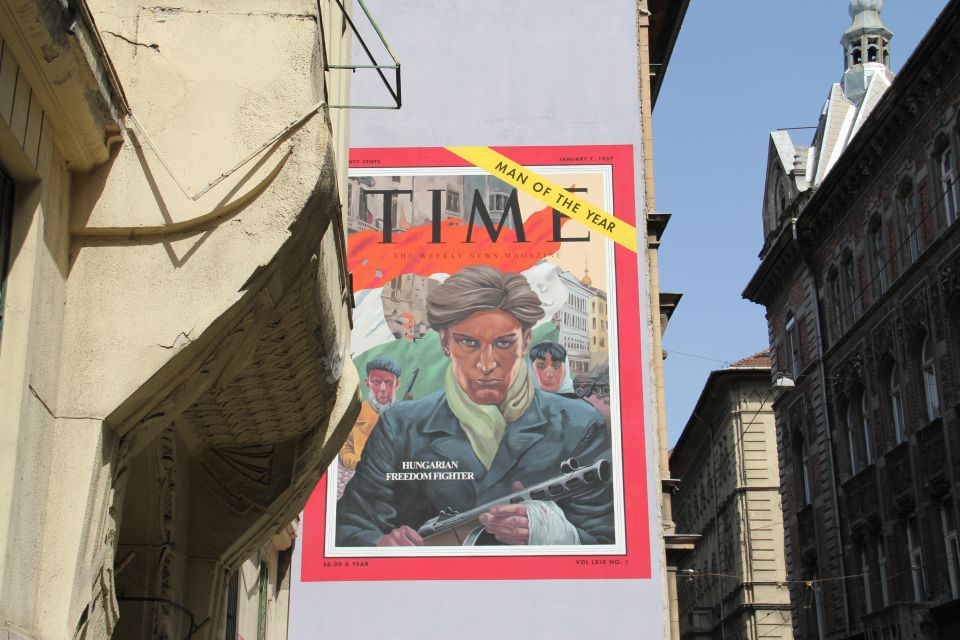
This tour’s special sauce is the way each stop becomes a short lesson. The guide doesn’t just point and explain basic visual elements. Instead, you’ll talk through the themes and socio-political context for the artwork you’re seeing at that moment.
That matters because street art often works like shorthand. It can rely on references that are obvious to locals but unclear if you only glance. With the guide’s explanations, you’ll understand what you’re looking at and why it’s happening now.
The reviews you’ll see about this tour put a spotlight on the guide’s personality and deep local insight. Attila, for example, is highlighted as extremely knowledgeable about the local art scene and also skilled at giving background context to the area. That blend of art talk and place-based context is what keeps the tour from feeling repetitive after the first few murals.
You also benefit from the format. This is a small group experience (limited to 6 participants), so questions aren’t a last-minute scramble. You can ask follow-ups as you walk, which makes the explanations stick better.
The walking rhythm: 3 hours that move, but don’t rush
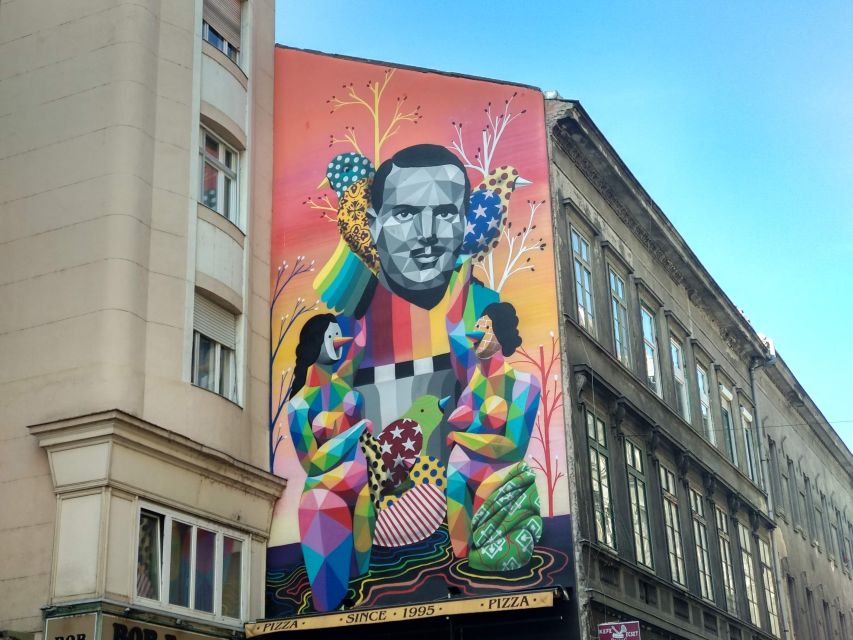
The tour runs for 3 hours, and that time window is long enough to cover multiple pieces without turning into a marathon. Street art works best when you can pause, read, and listen. With 3 hours, you get a sequence of stops that builds understanding rather than throwing everything at you at once.
Because the tour is centered on murals and street-level artwork, you should expect a lot of sidewalk time. That means good shoes matter. If it’s rainy, plan for it; one traveler noted it was raining heavily, but the timing still felt like it moved fast. Translation: bring a light rain layer so you can stay comfortable and keep enjoying the walk.
Also keep your camera ready, but don’t let it run the show. The real value is in the explanations. Use photos as a memory tool, then come back to the meaning after.
Coffee at My Little Melbourne: a small break with real payoff
You meet at the entrance of the coffee shop My Little Melbourne, and coffee is included. This is one of those simple touches that makes a tour like this easier to enjoy, especially if you’re walking in cooler weather or lingering for discussions.
The coffee stop gives you a natural pause. Even if you’re the type who never wants a break, you’ll usually appreciate the reset. It also gives you a moment to ask extra questions without standing in the street, and it helps you connect what you learned on the wall to a real human pace.
This is also a nice way to blend the experience into everyday Budapest life. Instead of only seeing art and leaving, you get a small taste of local café culture right in the middle of the walk.






What you’re paying for: $53 and the value of context
At $53 per person, you’re paying for more than guided walking. You’re paying for interpretation—context about themes, artists, and the socio-political background tied to specific works. That’s usually where street art tours either shine or fall flat.
If you try to do street art alone, you can take photos easily, but you’ll miss the “why.” This tour is designed to bridge that gap. With a discussion-led approach and a small group size, you’re more likely to leave with understanding, not just images on your camera roll.
Group size matters here too. When the tour is limited (to 6 participants), the guide can spend time answering questions and tailoring explanations in real time. That’s part of the value for your money.
One more practical note: only coffee is included, not food. If you’re budgeting meals, plan to eat either before you meet or after the tour ends so you don’t end up hungry while you’re busy learning.
Who this Budapest street art tour fits best
This is a great match if you like modern cities that have opinions. If you enjoy art that has something to say—especially where it intersects with politics, identity, and community—this tour will feel relevant fast.
It’s also ideal if you want a different angle on Budapest’s culture. You’ll still be in a historic city, but the focus stays on contemporary street expression, and you’ll understand how it fits into the urban story people are living today.
You’ll probably enjoy it most if:
- you like guided conversations, not just checking boxes
- you’re comfortable walking for a few hours
- you want local context you can’t easily guess from photos
It may feel less compelling if you only want general sightseeing or if you’re not interested in the meaning behind street art. This tour is built around interpretation.
Practical tips before you go
To get the most out of the experience, I’d plan like this:
- Wear comfortable shoes. You’ll spend a lot of time walking between pieces.
- Bring a light rain jacket if the weather looks iffy. You’ll keep going either way, and comfort helps you listen.
- Charge your phone or camera, but don’t treat photography as the main activity. The explanations are the point.
- If you’re curious about how contemporary art ties into politics and culture, come ready with a few questions. Small-group size makes that easy.
If you’re the kind of person who likes to learn why people paint or write on walls, you’ll be in your element here.
Should you book this Budapest street art tour?
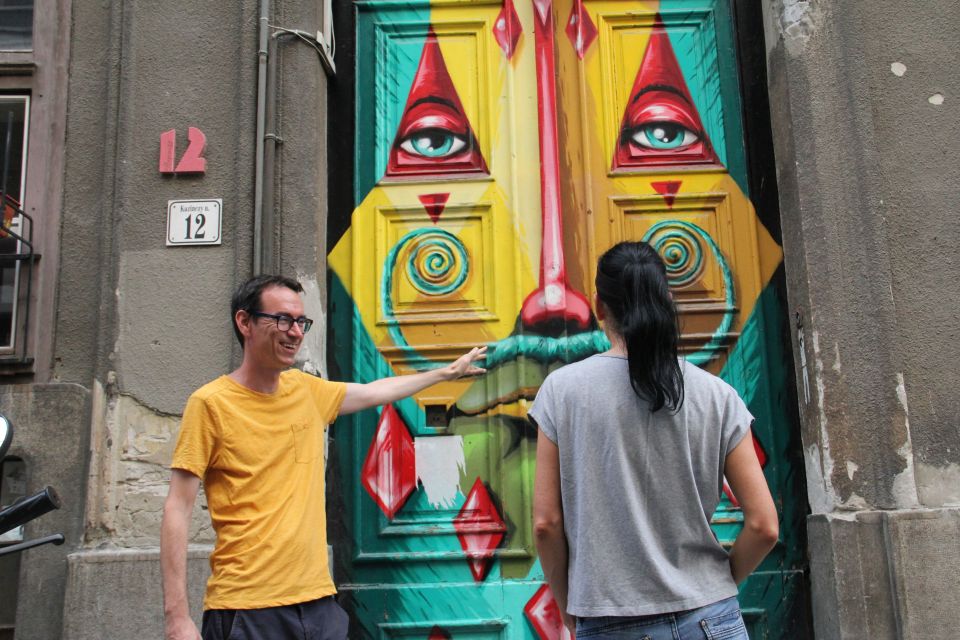
I’d book it if you want Budapest through contemporary eyes, not just classic landmarks. This tour is strong because it spends time on murals and graffiti in the Jewish Quarter and then gives you the context to understand what you’re seeing. The small group size and a live English guide (Attila is praised for his local art-scene knowledge and friendly teaching style) make the experience feel personal.
Skip it only if you want purely visual sightseeing with minimal discussion, or if you need a tour that includes a full meal. With coffee only, you’ll want to handle food separately.
If your goal is to leave Budapest with clearer perspective—on culture, politics, and how locals communicate through street art—this $53, 3-hour walk is a solid value.