REVIEW · BUDAPEST
Budapest: Alternative Street Art & Jewish Tour
Book on GetYourGuide →Operated by Original Europe Tours - Vienna · Bookable on GetYourGuide
Street art meets solemn history in Budapest. On this 3-hour guided walk, I like how the street art stops give you real context, including works by the revolutionary Színes Város. The tour’s also a nice change of pace from the usual sightseeing grind.
I also like the Jewish Quarter portion, where your local guide connects what you see now with the community’s past in Pest, Buda, and Óbuda (Old Buda). If you’re expecting the tour to feed you, one consideration is that food and drinks aren’t included, so plan a snack or drink outside the walk.
In This Review
- Key things to know before you go
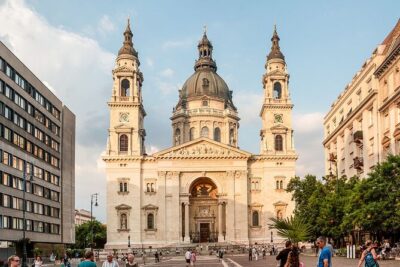
- Meeting Under the Blue Umbrella by St. Stephen’s Basilica
- Street Art Walk: Murals by Budapest’s Local Artists and Színes Város
- Jewish Quarter Stories: Emblems of Survival and Monuments of the Past
- From Pest, Buda, and Óbuda to One Walking Narrative
- The Tour Tone: Guides Like Burak and Zsanett Make It Personal
- After the Walk: Live Music Tips, Clubs, and Where to Eat
- Weather, Pace, and What 3 Hours Feels Like
- Price and Value: $23 for a Two-Theme Guided Walk
- Who Should Book This Tour (and Who Might Skip It)
- Should You Book This Budapest Alternative Street Art and Jewish Tour?
- FAQ
- Where does the tour meet?
- How long is the Budapest street art and Jewish Quarter tour?
- Is the tour available in English?
- What’s included in the price?
- Is food or drinks included?
- Does the tour run in bad weather?
Key things to know before you go
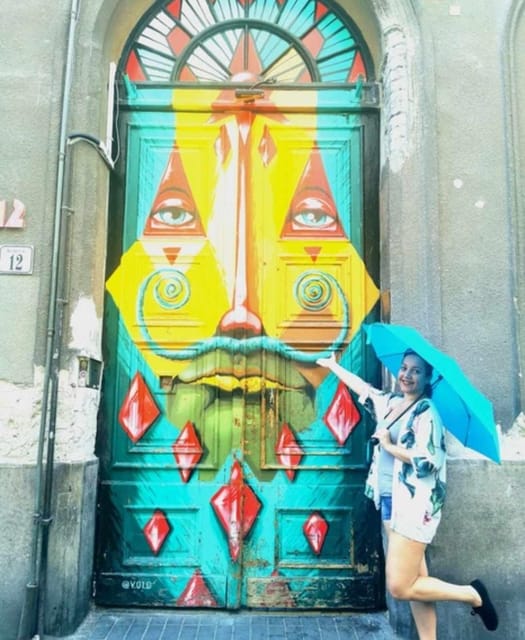
- Meet by the Blue umbrella at St. Stephen’s Basilica so you don’t waste time hunting the group.
- Street art by prominent local artists, including Színes Város.
- Jewish Quarter focus on survival emblems and monuments, plus remnants of the old community.
- A local guide narrative, not just pointing at walls—expect stories that connect areas across Budapest.
- Helpful end-of-tour tips for live music, clubs to visit, and where to eat.
Meeting Under the Blue Umbrella by St. Stephen’s Basilica
Your tour starts in central Budapest at St. Stephen’s Basilica, at Szent István tér 1, 1051 Hungary. Your guide will be holding a blue umbrella at the entrance, and the walk ends back at the same meeting point.
This matters more than it sounds. A clear meeting spot in a big city helps you start relaxed, not frazzled. And since the route returns to the start, you can plan your next stop without guesswork.
You can also read our reviews of more tours and experiences in Budapest



Street Art Walk: Murals by Budapest’s Local Artists and Színes Város

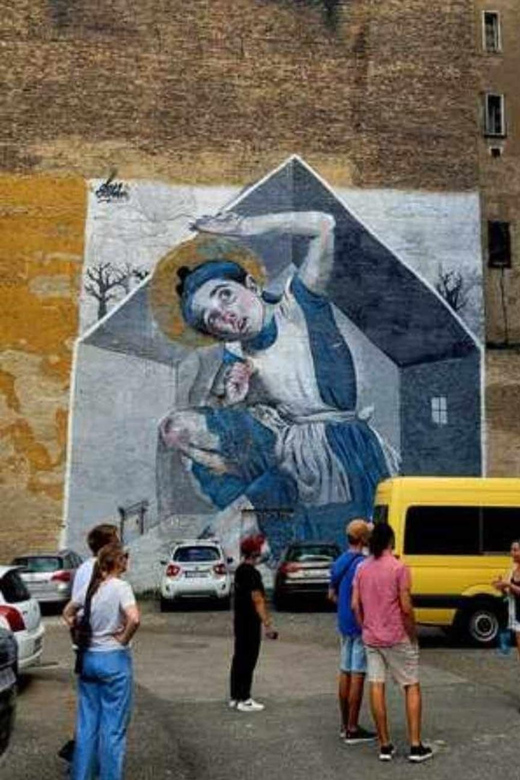
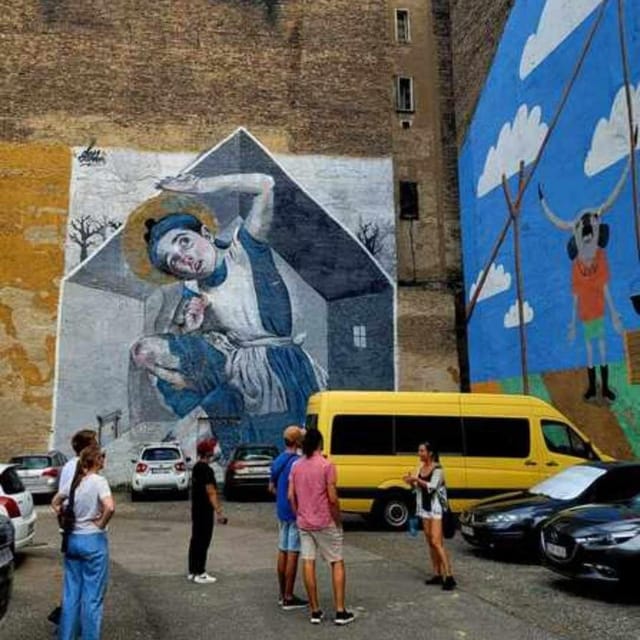
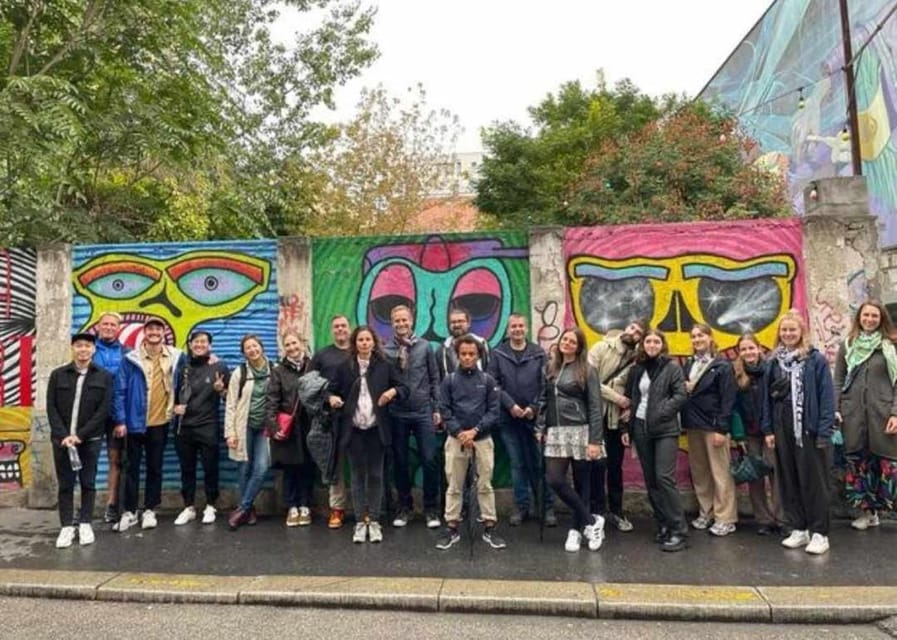
The first section of the walk is all about Budapest’s alternative side—street art you can read with a guide’s help. You’ll see works by some of the city’s prominent local artists, including the revolutionary Színes Város.
What I like about this part is that it’s not treated like a scavenger hunt. The guide explains what you’re looking at and why it shows up in this city, so the murals feel like part of Budapest’s conversation, not random graffiti. Also, with a walking format, you get to see how the art interacts with the streets around it—the lighting, the angles, the neighborhood textures.
Practical note: plan for a fair bit of walking on uneven city sidewalks. Comfortable shoes are the move.
Jewish Quarter Stories: Emblems of Survival and Monuments of the Past
After the street art, the tour shifts into the historic Jewish Quarter. This section is designed to be more than a name-and-date lesson. You’ll learn how the Jewish community played a crucial role in shaping Pest, Buda, and Óbuda (Old Buda), then see remnants of the old community still standing.
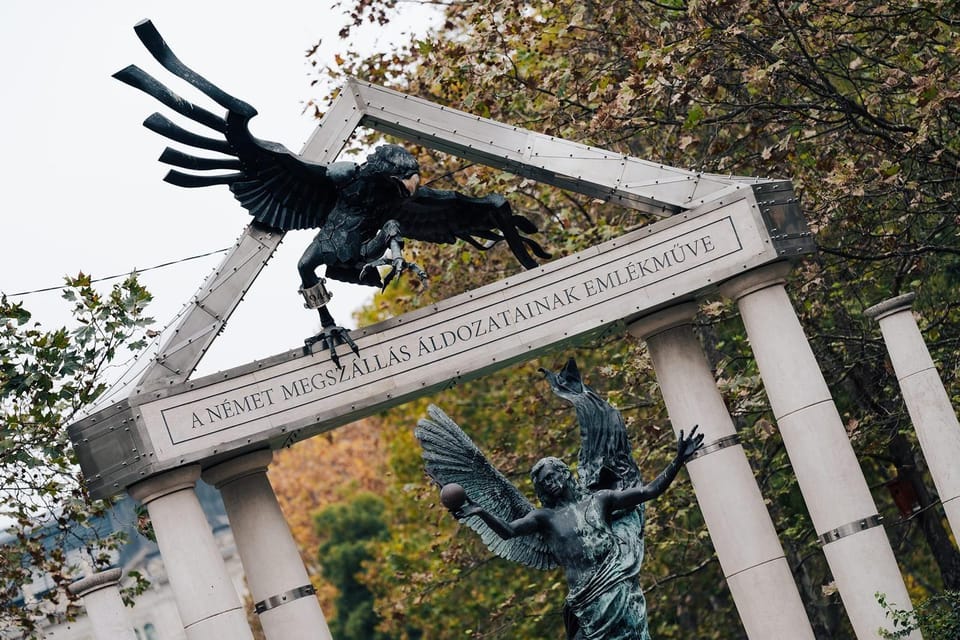
You’ll also come across the area’s emblems of survival and monuments of the past. That phrase matters, because it signals the tone of the storytelling. The goal is to help you notice what’s preserved, what’s scarred, and what those signs mean in real life—not just on a brochure.
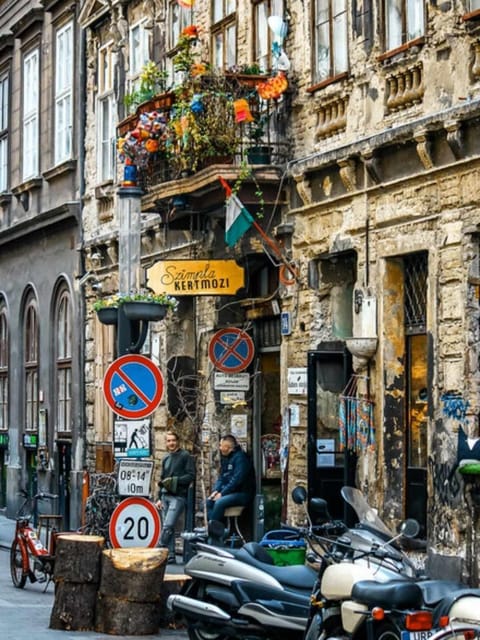
And the contrast is striking: modern shops and bars nearby sit beside older, crumbling structures with monuments that carry heavy meaning. That mix can make your photos feel more alive than a single-style “attraction loop,” but it also gives the guide a lot to work with—so the history lands instead of floating.
From Pest, Buda, and Óbuda to One Walking Narrative
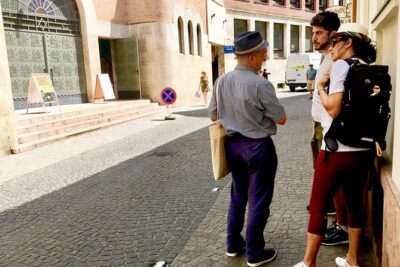
One of the smartest parts of this tour is the way it connects different parts of Budapest to the Jewish community’s impact. Instead of isolating the Jewish Quarter as a separate island, the guide ties it to Pest, Buda, and Óbuda (Old Buda).
For you, that creates an easier mental map. Even if you’re only seeing one neighborhood on foot, you leave with a broader understanding of how Budapest grew and how communities shaped it over time. If you like your city history with a human thread, this is the section that usually feels most useful.
The walk also keeps an eye on what’s visible today—those remnants and monuments—so you’re not relying on imagination alone.
The Tour Tone: Guides Like Burak and Zsanett Make It Personal
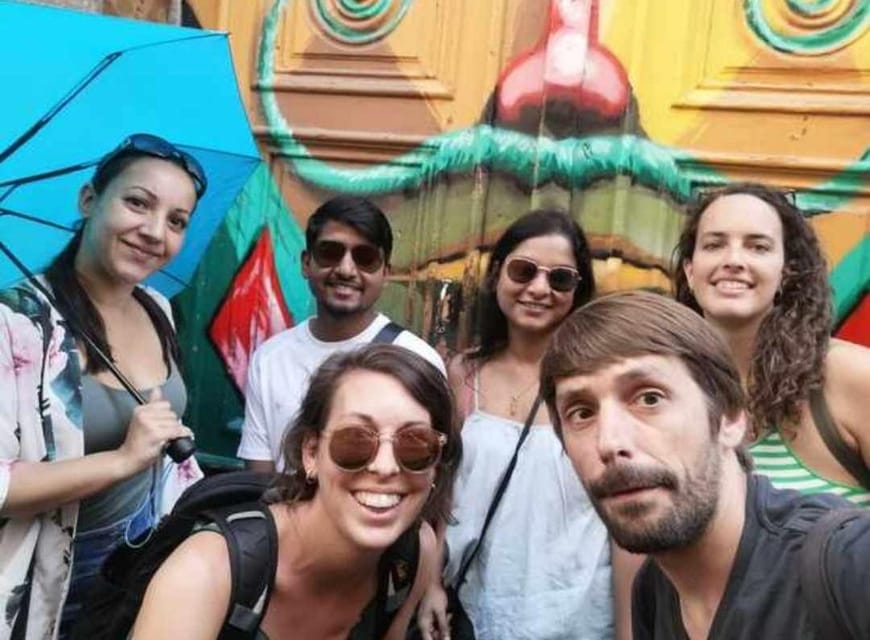
The quality isn’t just in the topic; it’s in how the guide tells it. Many people highlight guides who are personable and good at making the walk feel like a small, attentive group experience rather than a rushed parade.
Names that show up often include Burak and Zsanett. The common thread in their tours is a mix of storytelling that stays engaging and practical pointers that go beyond the route. You’ll hear explanations about each mural and the neighborhood atmosphere, then you’ll finish with guidance you can actually use.
That last part is underrated. A tour can show you interesting things; a great tour helps you keep moving afterward with better choices.






After the Walk: Live Music Tips, Clubs, and Where to Eat
At the end of the tour, you’ll get top tips on where to find live music, which clubs to visit, and where to eat. This is the part that turns a cultural walking tour into a “how to enjoy your remaining hours” plan.
Since food and drinks aren’t included on the tour itself, this is especially helpful. You’ll be ready to pick a place nearby rather than guess from the most obvious options.
If you’re staying for a few days, these suggestions also help you avoid the trap of repeating the same kind of outing twice. A good club or a live-music stop can feel like part of the city’s identity, and you’ll have better odds of finding something that fits your taste.
Weather, Pace, and What 3 Hours Feels Like
This is a 3-hour walking tour that operates in all weather conditions. That’s normal for Budapest, but it’s worth planning for—bring weather-appropriate clothing and expect to keep going even if it’s damp or breezy.
The pace is designed to be doable. In the feedback, people consistently note that the walk feels manageable—long enough to feel like you covered something, not so long that you’re crushed by the time you return.
For your comfort:
- Wear shoes you can walk in for hours.
- Bring a layer if the weather turns.
- If you hate wet weather, consider a compact umbrella or rain jacket in your day bag.
Price and Value: $23 for a Two-Theme Guided Walk

At about $23 per person for a 3-hour, English-language guided walking tour, the value comes from what you’re paying for: a guide-led mix of street art explanation plus Jewish Quarter historical context, plus practical nightlife and food tips.
You’re not paying separately for an entrance fee during the tour, and the included parts are the guide and the walking format. That makes the price feel easier to justify if you already planned to stroll around the city anyway. The guide turns “wandering” into something with meaning.
If you’re someone who likes to learn without sitting in a classroom, this structure tends to fit well. You’re seeing real places while someone connects them to stories, and you end with suggestions that help you keep enjoying Budapest after the tour stops.
Who Should Book This Tour (and Who Might Skip It)

Book this tour if you want Budapest beyond the postcard checklist. It’s especially good for you if:
- you like street art, but you also want it explained
- you want Jewish Quarter history that’s tied to what you can still see
- you appreciate practical end-of-tour recommendations for music, clubs, and food
- you enjoy walking tours that feel more personal than large-bus sightseeing
You might skip it if you want a tour with included meals or you’re looking for a stop-heavy schedule full of paid attractions. Since entrance fees and food/drinks aren’t included, you’ll handle those yourself.
Should You Book This Budapest Alternative Street Art and Jewish Tour?
If you’re the kind of traveler who likes your city stories grounded in the streets, this is a smart pick. The combination of street art stops (including Színes Város) and Jewish Quarter context—survival emblems, monuments, and remnants you can actually encounter—gives the walk a strong two-theme shape.
Add in the fact that you’ll finish with real guidance for live music, clubs, and where to eat, and you get more than memories. You leave with a better plan for the rest of your day.
If that sounds like what you want from Budapest, I’d book it.
FAQ
Where does the tour meet?
The tour meets at St. Stephen’s Basilica, at Szent István tér 1, 1051 Hungary. Your guide will be holding a blue umbrella by the entrance.
How long is the Budapest street art and Jewish Quarter tour?
The tour lasts about 3 hours. Starting times depend on availability.
Is the tour available in English?
Yes, the live tour guide is available in English.
What’s included in the price?
The tour includes a guide and the walking tour.
Is food or drinks included?
No. Food and drinks are not included, and there are no entrance fees to attractions included as part of the tour.
Does the tour run in bad weather?
Yes. The tour operates in all weather conditions, so bring weather-appropriate clothing and comfortable shoes.