REVIEW · BUDAPEST
Communism in Budapest: Private Tour with House of Terror Museum
Book on Viator →Operated by Travel Curious · Bookable on Viator
Walking Budapest, you’ll feel ideology in stone. This private route connects Hungary’s 20th-century upheavals—from Nazi occupation themes to communism’s rise and fall, and the turn toward democracy—with stops you can actually see on foot. You’ll start at Bem József Memorial Square and end at the House of Terror, where the past isn’t abstract.
I love two things most about this experience: first, the way your guide links political events to real street corners and monuments, from 1956 student protests to Soviet-era pressure. Second, the museum visit is built in with entrance handled for you, so you can focus on the evidence and the memorials without extra planning.
One thing to consider: the subject matter is heavy. If you prefer lighter sightseeing or you’re short on emotional bandwidth, the House of Terror is the kind of place that asks you to slow down—so keep your expectations realistic.
In This Review
- Key highlights you’ll remember
- A Private 3-Hour Walk That Turns Budapest Into a Timeline
- Bem Józéf Memorial Square and the 1956 Student Protests
- Falk Miksa Street, Retro Shops, and a Columbo Statue That Feels Like a Joke
- Liberty Square and Ronald Reagan: Why Cold War Power Shows Up Locally
- Kossuth Lajos Square and the Parliament Building You Can’t Miss
- House of Terror Museum: Memorial, Evidence, and a Slow Finish
- Price, Tickets, and What You’re Getting for $180
- Logistics That Matter on a Walking Tour Like This
- Who This Tour Fits Best
- Should You Book This Communism in Budapest Private Tour?
- FAQ
- How long is the Communism in Budapest private tour?
- What’s included in the price?
- Is the House of Terror ticket included?
- Where does the tour start and end?
- Does the tour require transportation or pickup?
- What is the cancellation policy?
Key highlights you’ll remember
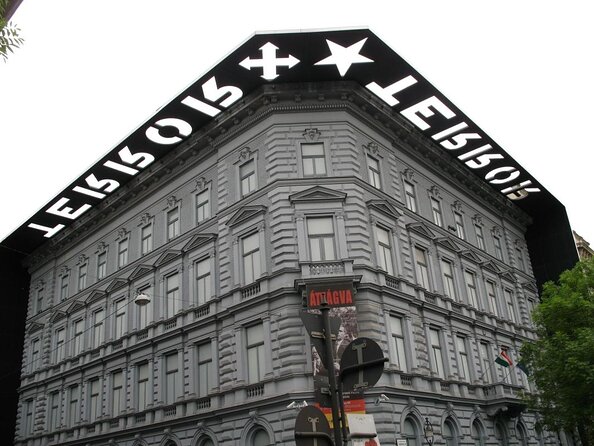
- Bem József Memorial Square: the 1956 protest site tied to massive student action against Soviet rule
- Falk Miksa street details: a surprising Columbo statue shows how culture and politics can share the same sidewalks
- Kossuth Lajos square + Parliament area: you get a quick political timeline lesson in front of the Neo-Gothic Parliament
- Liberty Square symbols: you’ll pass monuments including Ronald Reagan, a reminder that the Cold War reached far beyond Hungary
- House of Terror access included: entrance tickets are covered, and you finish with time to visit at your own pace
A Private 3-Hour Walk That Turns Budapest Into a Timeline
Budapest is gorgeous, but this tour is interested in something else: how power leaves marks. I like the pacing here because it’s not a checklist. It’s a walking story with political context, anchored by specific locations you can photograph and revisit later on your own.
Because it’s private, only your group participates. That matters for a topic like this. You can ask follow-up questions, and your guide can adjust the explanations if your interests lean more toward the Soviet period, the earlier fascist period, or the longer path toward democracy.
The overall length is about 3 hours, which is a sweet spot. It gives enough time to connect the dots across several key squares and streets, and it includes a ticketed House of Terror stop. Just don’t expect a full museum marathon. This is structured for a focused walk plus a meaningful visit.
You can also read our reviews of more private tours in Budapest



Bem Józéf Memorial Square and the 1956 Student Protests
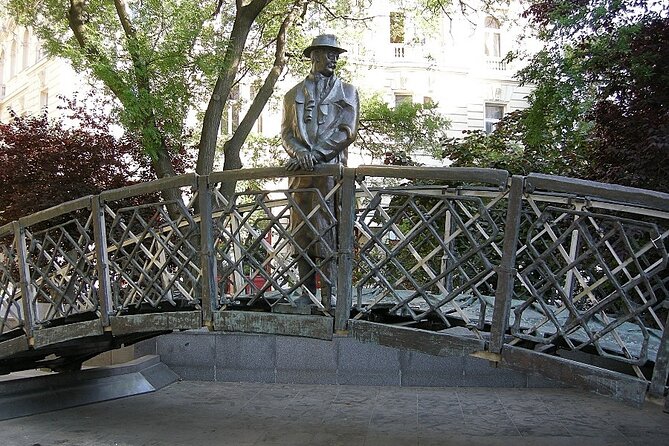
You begin at Bem József tér 2, right at Bem József Memorial Square, and that opening sets the tone. The site is tied to the 1956 revolution, when around 200,000 Hungarian students protested against Soviet rule.
What I like about starting here is that you get a human scale first. This isn’t just leaders and dates. It’s young people in the streets, pushing back when political pressure is at its peak. Once you have that starting point, everything else you’ll see later—statues, squares, memorials—feels less random.
The stop itself is about 30 minutes, with free admission. That’s enough time to orient your brain and let the guide explain why the location mattered, and how the events shifted the country’s direction.
Practical tip: take a moment to look around the square before you start moving. Even if you’re not a history buff, the setting helps you understand why people gathered where they did.
Falk Miksa Street, Retro Shops, and a Columbo Statue That Feels Like a Joke
After the memorial, you head into central Budapest. The tour moves down Falk Miksa street, and it does something smart: it mixes political talk with everyday streetscape.
On this stretch you’ll notice the mix of retro bars and butcher shops, plus the kind of oddball detail that makes Budapest feel real instead of staged. One standout is an unlikely statue of Columbo, the fictional LAPD detective known for his scruffy look and his stubborn push for the truth.
That statue isn’t there to be a trivia moment. Your guide uses it as a symbol for thinking differently—how ideas about justice, truth, and investigation can cut through propaganda. It’s also a reminder that politics doesn’t live only in museums. It shows up in the culture people choose to keep visible.
This part lasts about 1 hour, and it’s largely walking and interpretation, so comfortable shoes matter. If you like photos, this is a good stretch to work your camera hands, because you’ll be in an actual city neighborhood rather than only sweeping monuments.
Liberty Square and Ronald Reagan: Why Cold War Power Shows Up Locally
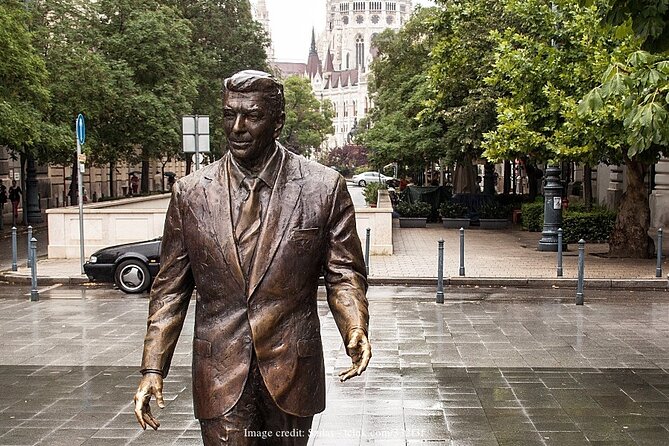
Next you’ll move through central sights tied to the Cold War story. One specific stop mentioned on the route is Liberty Square, where you’ll see a monument to Ronald Reagan.
That might sound surprising at first—why is an American president connected to Budapest’s communist story? The answer is that the Cold War wasn’t confined to borders. Hungary’s political pressure sat inside a larger chessboard, with global figures and global fears shaping local realities. Standing in front of a monument like this helps you see how ideology and international politics can overlap in public space.
This stop fits naturally after your earlier 1956 context. By now, you’re not just learning what happened—you’re learning how different political eras remembered, honored, or framed themselves.
The best way to enjoy this part is to let the guide connect the visual to the idea. Don’t race through it. Pause, look, then listen for the meaning you’re being pointed toward.
Kossuth Lajos Square and the Parliament Building You Can’t Miss
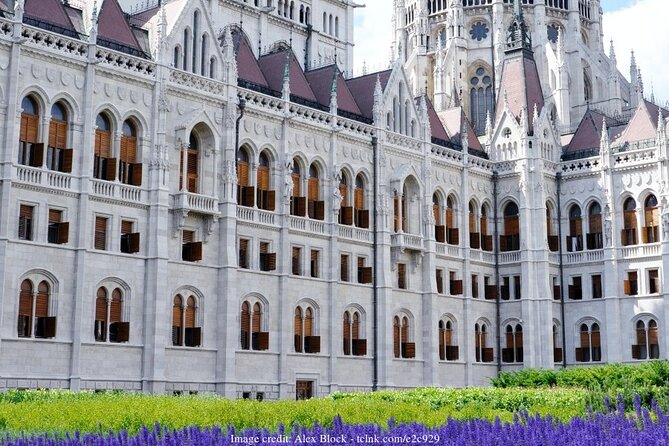
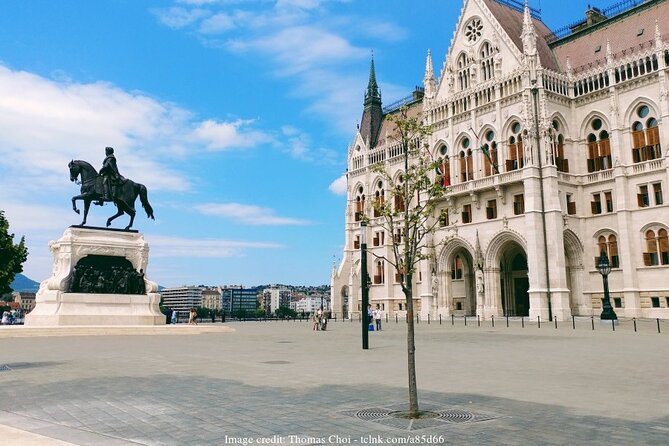
Then comes Kossuth Lajos square, a wide open space that gives you a dramatic view of the Neo-Gothic Parliament building.
Even if you’ve seen photos of Budapest’s Parliament, it can still hit differently in person because it’s so monumental. The tour uses the building as a starting point to talk through Hungarian politics from earlier centuries up to the present day. The goal isn’t a full lecture. It’s a quick framework so the museum stop later makes more sense.
You’ll also step by the Hungarian Parliament Visitor Centre area. The exterior viewing and explanation fits into about 15 minutes, and admission is not included. In practice, that means your main value is what your guide tells you from the outside and how that context ties into the story of occupation, communism, and the later push toward democracy.
If you want a deeper look into the visitor center exhibits, you may need extra time on your own after the tour ends. This tour is designed to keep you moving and finish strong at House of Terror.
You can also read our reviews of more museum experiences in Budapest





House of Terror Museum: Memorial, Evidence, and a Slow Finish
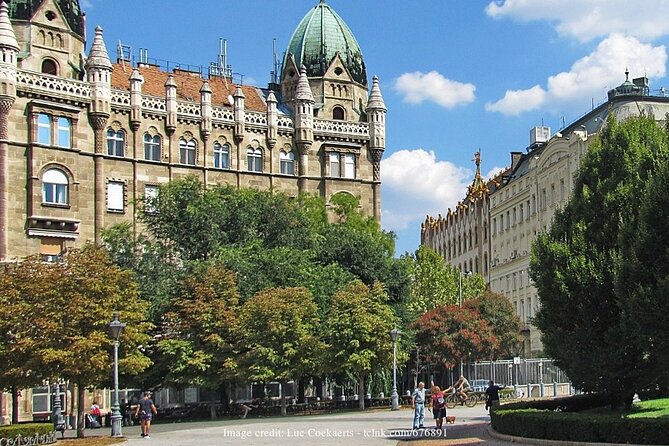
The tour ends at the House of Terror Museum on Andrássy út 60, and entrance tickets are included. This is the emotional centerpiece of the whole experience.
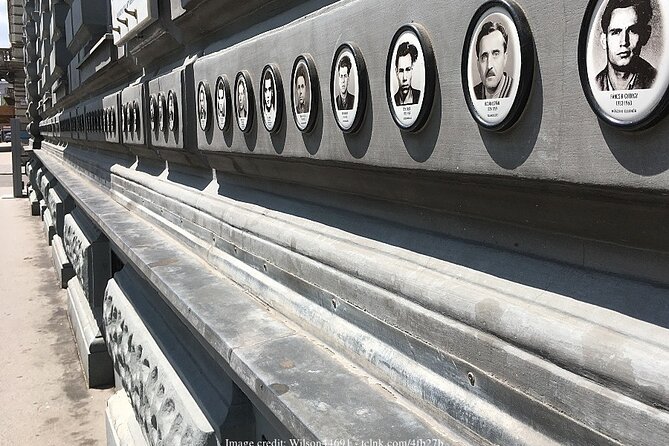
The museum is described as a memorial to the horrors of the past—specifically to people who were detained, tortured, and killed inside the building. The exhibits cover materials from both the fascist and communist regimes of 20th-century Hungary.
Why this stop is worth building into a guide-led route: it gives the political story a physical anchor. You’re not just hearing about oppression in theory. You’re seeing how the building itself and the curated exhibits turn that abstract power into documented reality.
Time on site is about 30 minutes during the tour. After your guided portion, the tour finishes and your guide provides your entrance tickets, then you can visit at your own leisure.
That structure is smart. Twenty or thirty minutes is enough to get oriented, but the museum deserves personal pacing. If you choose to stay longer, plan for it. If you want to keep the trip lighter, you can still step away and process what you’ve seen.
Practical tip: bring your patience. This is not a casual “look around and take selfies” museum. The value is in careful attention and respectful timing.
Price, Tickets, and What You’re Getting for $180
At $180 per person, this tour isn’t the cheapest way to see Budapest. But it also isn’t trying to be. The value is in three clear places:
- A private guide for your own group, with a focused narrative rather than generic commentary
- Entrance to the House of Terror included, so you’re not coordinating tickets on the fly
- A route that strings together multiple major political locations—Bem József Memorial Square, Kossuth Lajos square area, and the museum—so the walking has purpose
It’s also listed as having group discounts and using a mobile ticket, which can help if you’re traveling with friends and want a smooth check-in experience.
One more real-world note: there’s no hotel pickup/drop-off and no transportation included. That’s normal for walking tours, but it means you should plan how you’ll get to the meeting point at Bem József tér 2 and how you’ll handle the ending location at Andrássy út 60 afterward.
Logistics That Matter on a Walking Tour Like This
This experience is marked for moderate physical fitness, and it’s described as near public transportation. That’s good news if you don’t want to spend your day navigating difficult transit logistics.
Because it’s a walking route across central areas, I recommend:
- Comfortable, closed-toe shoes
- A small bottle of water if you tend to get thirsty while walking
- A plan for food since food and drink isn’t included
Also, the itinerary includes a few photo-friendly points and short stops. So even though the total guide time is about 3 hours, you may want to budget a bit more time overall if you’re the type who stops to look closely at memorial details.
Who This Tour Fits Best
This tour is a strong match if you:
- Like your sightseeing to connect directly to what shaped the country
- Want to see major Budapest landmarks without turning your day into only sightseeing photos
- Prefer a private guide who can tailor explanations, especially on sensitive historical topics
It’s probably not your best fit if you want a mostly light, leisurely walk with minimal political weight, or if you dislike museums about torture, detention, and killings.
Should You Book This Communism in Budapest Private Tour?
I’d book it if you want a guided, location-based way to understand how the 20th-century story in Hungary unfolded in real places. The route covers several major symbolic sites, and the House of Terror stop is handled with entrance included—that’s a big convenience and a big emotional payoff.
I would pause before booking if you’re sensitive to heavy subject matter or if you know you’ll want a long, slow museum experience. The guided museum time is structured around about 30 minutes, after which you can keep going on your own. If you’re planning to spend much longer inside, make sure you’re mentally ready for it.
In a city with plenty of beautiful viewpoints, this tour chooses meaning over scenery. If that’s what you’re after, it’s a solid, well-paced way to see Budapest through the lens of occupation, communism, and the hard road toward democracy.
FAQ
How long is the Communism in Budapest private tour?
It lasts about 3 hours (approx.).
What’s included in the price?
You get a private group tour guide, plenty of time for photos, and entrance to the House of Terror Museum.
Is the House of Terror ticket included?
Yes. Entrance to the House of Terror Museum is included, and your guide provides the entrance tickets for you to use during your visit.
Where does the tour start and end?
The tour starts at Bem József tér 2, 1027 Hungary and ends at the House of Terror Museum, Andrássy út 60, 1062 Hungary.
Does the tour require transportation or pickup?
No. Hotel pickup/drop-off isn’t included, and transportation throughout the tour isn’t included.
What is the cancellation policy?
Cancellation is free if you cancel up to 24 hours in advance for a full refund. If you cancel less than 24 hours before the start time, the amount paid isn’t refunded.