REVIEW · BUDAPEST
Private City Kickstart Tour: Budapest
Book on Viator →Operated by Withlocals · Bookable on Viator
A quick city walk can save you days. This private Budapest kickstart is built for fast orientation with a local guide and time to ask real questions. I especially like the private format—it’s just your party and a guide, not a herd. And I like that the tour gives you practical next-step ideas, based on what you care about most.
I also like the way the route mixes landmarks with meaning. You’ll see the Hungarian National Museum area, then move through historic city scenes near Vigadó and over/along Erzsébet Bridge. Guides such as Zsofia, Nick, and Noemi (names that show up often in past tours) focus on context, not just dates, so you can connect dots as you wander later.
One drawback to consider: it’s a no-hotel-pickup walk. You’ll meet at Deák Ferenc tér and get yourself there, and you’ll also want to be comfortable with a moderate walking pace for about two hours.
In This Review
- Key things to know before you go
- A private Budapest kickstart that actually helps you navigate
- Getting to Deák Ferenc tér (and keeping it simple)
- Stop 1: Hungarian National Museum—why 1802 matters
- Vigadó Square (Vigado ter): 19th-century concert hall energy
- Erzsébet Bridge pass: your Danube moment with context
- The extra stops your guide may add
- Leaving with a plan, not just pictures
- Price and value: $71.35 for 2 hours that can pay off later
- When this tour is the right fit
- What to expect during the walk (and how to be ready)
- Guide names you might encounter (and why it matters)
- Should you book the Budapest private kickstart tour?
- FAQ
- How long is the Budapest Private City Kickstart Tour?
- What does the tour cost?
- Is this tour private?
- What’s the group size limit?
- What language is the tour offered in?
- Where do we meet, and where does it end?
- Do we need tickets for the stops?
- Is hotel pickup included?
- How much walking should I expect?
Key things to know before you go
- Private and small-group feel: up to 8 people per booking, with only your group participating
- Fast orientation: you leave with a clearer mental map of Pest, the Danube, and key pedestrian areas
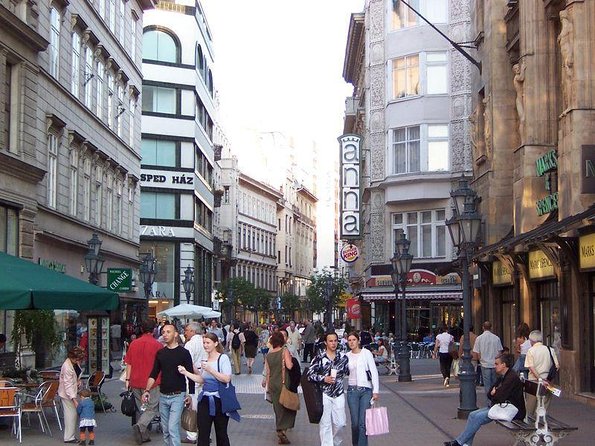
- Top sights in a short window: Hungarian National Museum area, Vigadó Square (Vigado ter), and the Erzsébet Bridge area
- Free viewpoints in the mix: Vigadó Square and the bridge pass are listed as admission-free stops
- Guides tailor the route: depending on your host, you may add extra stops beyond the main highlights
- You get personalized tips: built for planning your remaining days, not just taking photos
A private Budapest kickstart that actually helps you navigate
Budapest can feel like two cities stuck together: Pest and Buda, with the Danube as the divider and connector. This tour is designed to help you understand that structure early, so you aren’t just memorizing street names. In a couple of hours, you get a guided sense of direction plus enough story to make later visits click.
The best part is the pacing. Group tours move you from one stop to the next with little room for questions. Here, the guide can slow down, explain what you’re looking at, and then adjust. If you’re into architecture, you can lean that way. If you care more about everyday life and neighborhood vibes, you can ask for that too.
I like that this is sold as a kickstart, not a full-day “see everything” mission. Your reward isn’t trying to check boxes. It’s getting a map in your head and a plan for the rest of the trip, including what to prioritize and when.
You can also read our reviews of more city tours in Budapest



Getting to Deák Ferenc tér (and keeping it simple)
You’ll meet at Budapest, Deák Ferenc tér 4, 1052, and the tour ends back at that same meeting point. That is convenient for two reasons: you don’t have to coordinate a new drop-off, and you can reconnect with the transit hub right after.
There’s no hotel pickup or drop-off included. So you’ll want to build a little buffer around your own arrival at Deák Ferenc tér. The good news: the meeting spot is near public transportation, so this is usually workable even if you don’t stay close by.
Because the tour is about two hours and lists moderate physical fitness as a requirement, I’d treat it like a steady walking tour. Comfortable shoes matter more than fancy gear. You won’t need trekking equipment, but you should be ready for several short walks and street crossings.
Stop 1: Hungarian National Museum—why 1802 matters
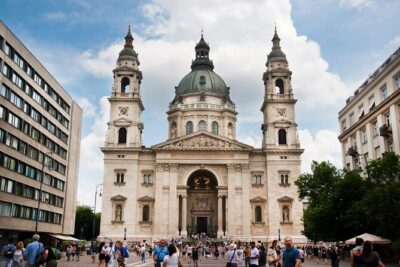
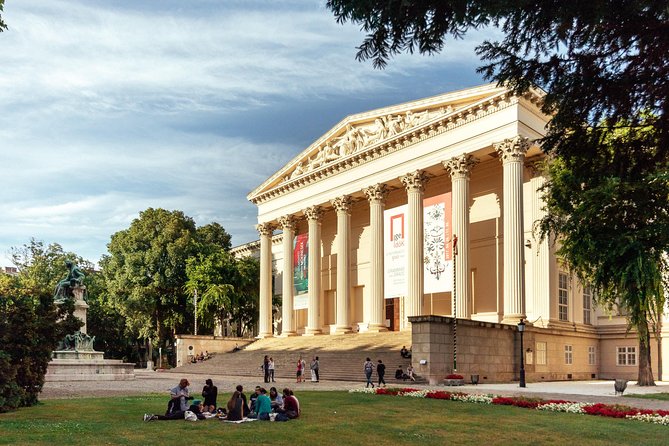
The first highlight takes you to the Hungarian National Museum area. It’s described as the place that has collected, preserved, and presented historical relics of the Carpathian Basin and Hungary since 1802. That’s a huge clue about how Budapest views its own past: the city isn’t just sightseeing; it’s identity and memory.
Even if you don’t go inside (admission isn’t included here), the museum stop works as an orientation anchor. The guide can frame what you’re going to see next—how the city’s cultural life, politics, and public spaces relate to one another. This is the kind of context that makes later stops feel less random.
Admission note: the museum stop is listed as 10 minutes, and it specifically says admission tickets are not included. If you think you might want to enter the museum, ask your guide on the spot whether it’s worth adding time. But if you’re short on energy, the exterior and the surrounding setting are still a useful starting point.
Vigadó Square (Vigado ter): 19th-century concert hall energy
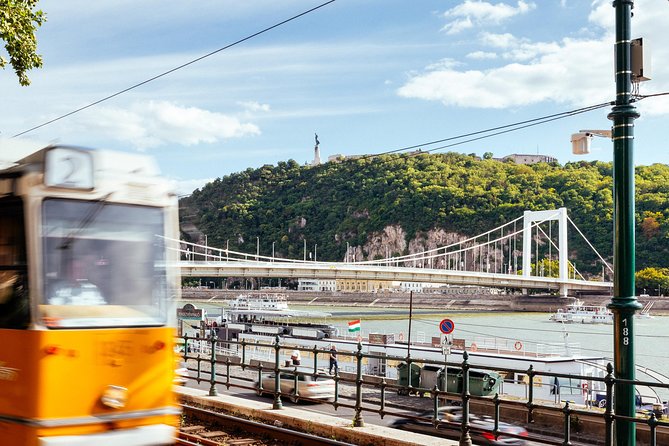
Next comes Vigadó Square (Vigado ter). This stop is described as a place where you can go back in time and see Budapest’s 19th-century concert hall. Even if you’re not a classical music superfan, that matters. Budapest has a habit of putting big cultural moments right on the public stage.
This stop is listed as free for admission, and it’s short (about five minutes). In that quick window, the guide can help you notice how architecture and urban space work together—how the building’s purpose shaped the surrounding streets and how people likely used the area historically.
If you’re the type who wants your photos to tell a story, this is a nice checkpoint. It’s visually strong, but it’s also explanatory. You’ll get enough guidance to look past the postcard angle and notice details that make the building feel “of its era.”
Erzsébet Bridge pass: your Danube moment with context
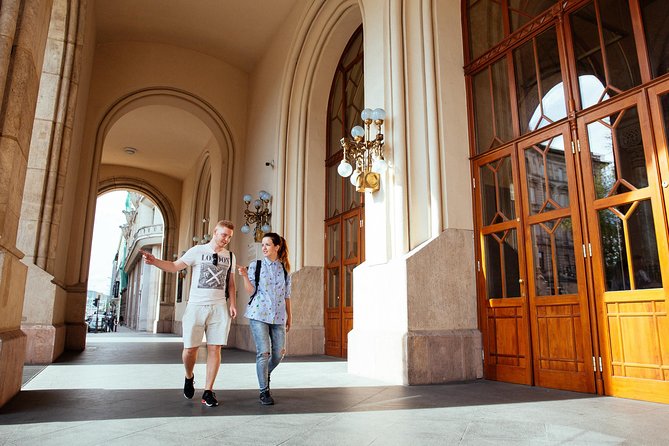
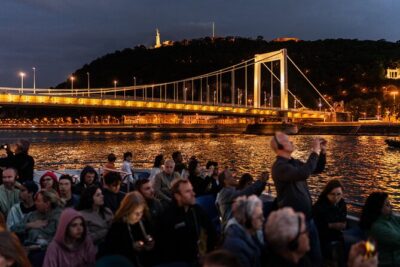
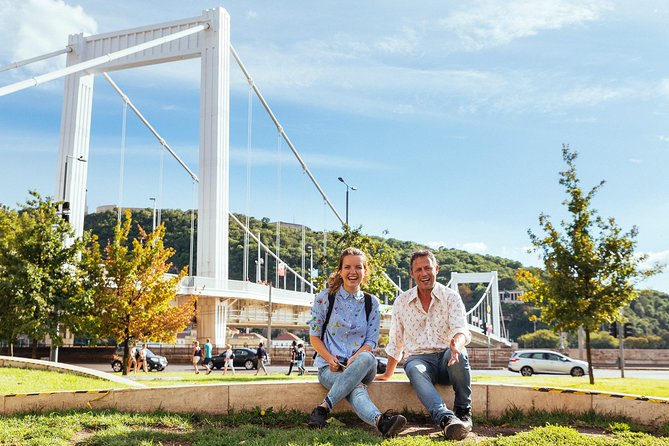
Then you head toward the Erzsébet Bridge area. You’ll pass by/see the Elisabeth Bridge, and this stop is also listed as admission-free.
Bridges are more than crossings here. They’re viewpoints, and they’re part of how the city stitches Pest and Buda together. A guide-led pass helps you understand what you’re looking at and why this stretch matters. You’ll also get cues for where to aim your next self-guided walk, especially if you later want Danube views without wandering blindly.
One smart thing about a bridge stop on a kickstart tour is timing. You get the “big picture” moment without spending half a day on planning. Then, when you return later, you’re not starting from zero.
You can also read our reviews of more private tours in Budapest






The extra stops your guide may add
Beyond the main highlights, the tour notes that there may be additional stops depending on the route your host chooses. That flexibility is one of the reasons this kind of tour can be more useful than a rigid route.
In past experiences, guides have also helped people orient to key areas like the Central Market Hall and the main pedestrian zones you’ll likely want to explore soon after arrival. That kind of advice is exactly what a kickstart is for: pointing you toward the places you’ll actually use on the rest of your itinerary.
So treat this tour as the beginning of your Budapest strategy. If your guide senses you’re hungry for markets, they may steer you toward that direction. If you want more sweeping views or a different side of the river, they may adjust.
Leaving with a plan, not just pictures
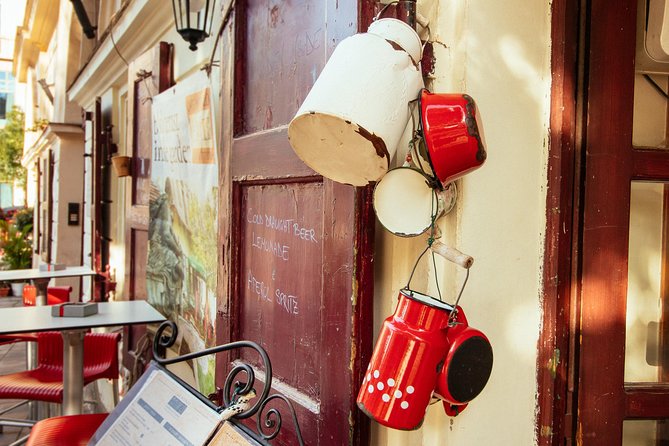
The tour includes local tips and tricks and city orientation, and you feel that goal in how the guide runs the walk. This isn’t just a list of sights. It’s a chance to ask: Where should I go first tomorrow morning? What area should I base myself in? What’s worth paying for, and what’s not?
I also like how some guides—like those named Anges, Gabor, and Nick in past tour accounts—have a reputation for adjusting the tour around your interests. That’s what you want in a private experience. If you’re fascinated by history, you can focus there. If you’d rather prioritize neighborhoods and atmosphere, you can steer it that way.
And sometimes the guide’s enthusiasm goes beyond the clock. One past booking noted that Gabor stayed about an hour beyond the scheduled time because the group still had lots of questions. That’s not something you should count on, but it does signal the real intent behind the tour: they want you to get something useful, not just “finished.”
Price and value: $71.35 for 2 hours that can pay off later
At $71.35 per person for about two hours, this is not a bargain-bin walking tour. But it can be good value—especially if you’re traveling as a small group.
Here’s how to think about it:
- Private + guide time is the real cost. You’re paying for one person’s attention, not a shared group flow.
- City orientation has a compounding effect. When you understand where Pest ends and Buda begins, and you know the best next moves, you waste fewer hours later.
- Group discounts are mentioned, so if you’re traveling with friends or family, the per-person cost can feel more reasonable.
If you’re a solo traveler, it’s still a solid use of time. You’re likely to get more from a tailored walk than you would from joining a larger group where you can’t ask follow-ups.
If you’re a couple or small family, you’ll probably feel the value even more. Splitting cost makes the private format feel like a smart investment rather than an indulgence.
When this tour is the right fit
This tour fits best if you want a quick “get your bearings fast” start. It’s a great option for:
- First-time visitors who don’t want to spend day one lost
- Travelers who like context—how a city’s places connect
- People who prefer your own pace and time for questions
- Anyone who wants a guide’s recommendations after the walk ends
It might be less ideal if you already know Budapest well and you’re only after a very specific museum visit. The tour is short, and the museum stop is listed with admission not included. In other words, it’s a sampler with planning power, not a deep museum session.
What to expect during the walk (and how to be ready)
With no hotel pickup, you should plan your arrival around meeting at Deák Ferenc tér. That usually means you’ll want to check your route to a nearby tram or metro station. Since the tour is near public transportation, it’s generally straightforward.
The pace is described as moderate fitness. That means you should expect normal city walking—some stairs or uneven sidewalk spots are always possible in older European areas, even when the tour is not labeled extreme.
Bring:
- Comfortable shoes
- A charged phone (you’ll have a mobile ticket)
- A short list of what you care about (history, views, food markets, neighborhoods)
Guide names you might encounter (and why it matters)
One underrated part of booking a private guide is the personality fit. In past tour experiences, people have named guides such as Zsofia, Noemi, Anges, Nick, and Gabor. The consistent theme across those stories is that the guides explain the sites in a way that helps the rest of the trip feel easier.
Some guides are described as passionate and compassionate in their explanations. Others are praised for being professional and for tailoring the tour to personal interests. You can’t guarantee a specific guide, but this pattern is encouraging: the product is built around human guidance, not scripted noise.
Should you book the Budapest private kickstart tour?
If your goal is to start strong—understand the city layout, get pointed toward key places, and leave with a plan—then yes, this is worth booking. It’s short, private, and designed for orientation, which is exactly what many travelers need in the first couple of days.
I’d especially recommend it if:
- You arrive in Budapest and want a focused start the next morning
- You prefer asking questions instead of listening to a fast-moving group
- You want a guide’s take on what to do next, based on your interests
Skip it if you already have a firm plan and only want museum tickets or a long walking marathon. But for most first-timers, or anyone who wants their second day to run smoother, this kickstart can be the difference between wandering and traveling with confidence.
FAQ
How long is the Budapest Private City Kickstart Tour?
It lasts about 2 hours.
What does the tour cost?
The price is $71.35 per person.
Is this tour private?
Yes. It is a private tour for your group only, with only you and your local guide participating.
What’s the group size limit?
A maximum of 8 people per booking is noted.
What language is the tour offered in?
The tour is offered in English. It may also be operated by a multi-lingual guide.
Where do we meet, and where does it end?
You meet at Budapest, Deák Ferenc tér 4, 1052 Hungary, and the tour ends back at the same meeting point.
Do we need tickets for the stops?
The Hungarian National Museum stop lists admission tickets as not included, while Vigadó Square and the Erzsébet Bridge pass are listed as free.
Is hotel pickup included?
No. Hotel pickup and drop-off are not included.
How much walking should I expect?
It’s listed for travelers with moderate physical fitness. You should be ready for city walking during the two-hour tour.