REVIEW · BUDAPEST
Budapest Walking Tour with a Professional Local Guide
Book on GetYourGuide →Operated by Tourist Angel · Bookable on GetYourGuide
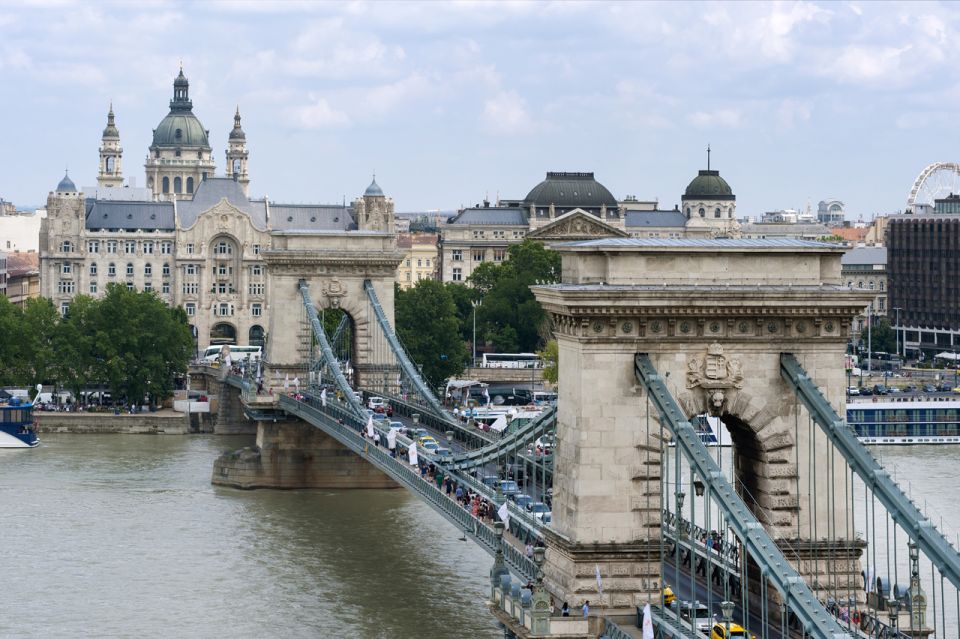
Budapest’s street story runs both ways. This 3-hour walking tour stitches together Pest and Buda so you leave with a clear map and a clearer sense of why Budapest looks the way it does. I especially love how the route centers on St. Stephen’s Basilica and then keeps rolling uphill and across key landmarks, while guides like Dominik and Alexandra bring the material to life with real local texture and plenty of room for questions.
Second, I like that it’s not just postcards. You get the big architecture moments—Matthias Church and Buda Castle—plus human-scale stories about life under dictatorship and revolution, including Hungary’s Communist era. That combination makes the “Paris of the East” nickname feel earned, not forced.
One drawback to consider: it’s a lively walking day, and the tour uses public transport to cross the river—so you’ll want to budget for metro/bus tickets separately (4 tickets per person).
In This Review
- Key highlights you’ll remember
- A Fast, Focused Introduction to Pest and Buda
- Meeting at St. Stephen’s Basilica: the easiest start point
- From Basilica energy to the Castle District climb
- Matthias Church and Buda Castle: beauty with context
- Stories of dictatorship and revolution that make Budapest make sense
- Getting the Parliament exterior without wasting your whole day
- Pace, walking distance, and the river crossing reality
- Guide style: what you gain from a real local
- Value check: $41 for three hours, and what’s extra
- Who this tour suits best (and who might want a different option)
- Practical tips before you go
- Should you book this Budapest walking tour?
- FAQ
- How long is the Budapest walking tour?
- Where is the meeting point?
- What sights will I see?
- How much do I walk?
- What does the price include?
- Are public transport tickets included?
- What language is the tour in?
- What if the weather is bad?
Key highlights you’ll remember
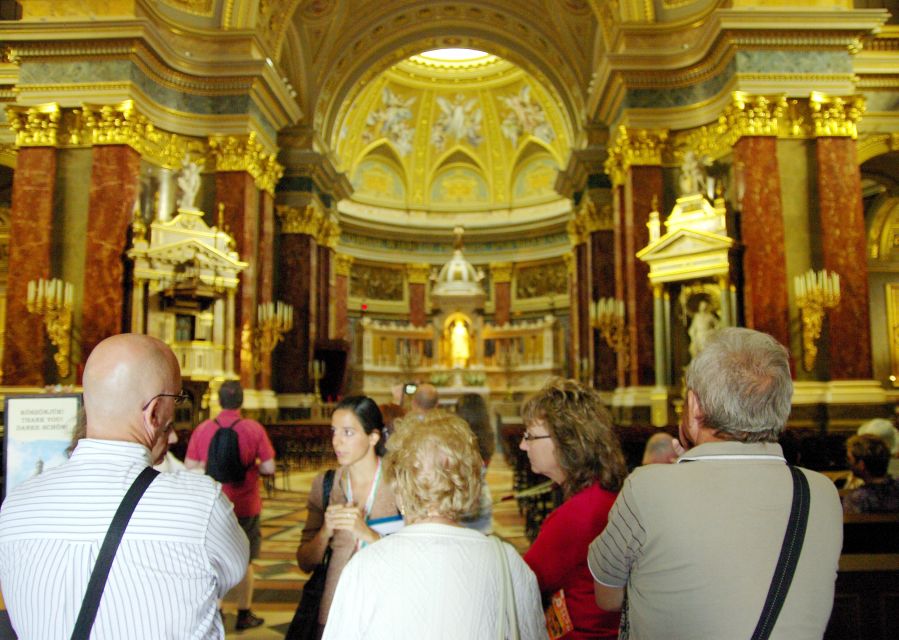
- St. Stephen’s Basilica to Castle District: start in the city center, then walk toward Buda’s historic core
- Matthias Church and the Castle of Buda: Gothic detail plus royal power in one sweep
- 20th-century political stories: dictatorship, revolution, and how it connects to the rest of Europe
- Parliament building exterior views: you’ll see the monument without turning the day into a museum marathon
- Comfortable pace with transit: about 1 mile / 1.5 km walking, plus public transport across the river
A Fast, Focused Introduction to Pest and Buda
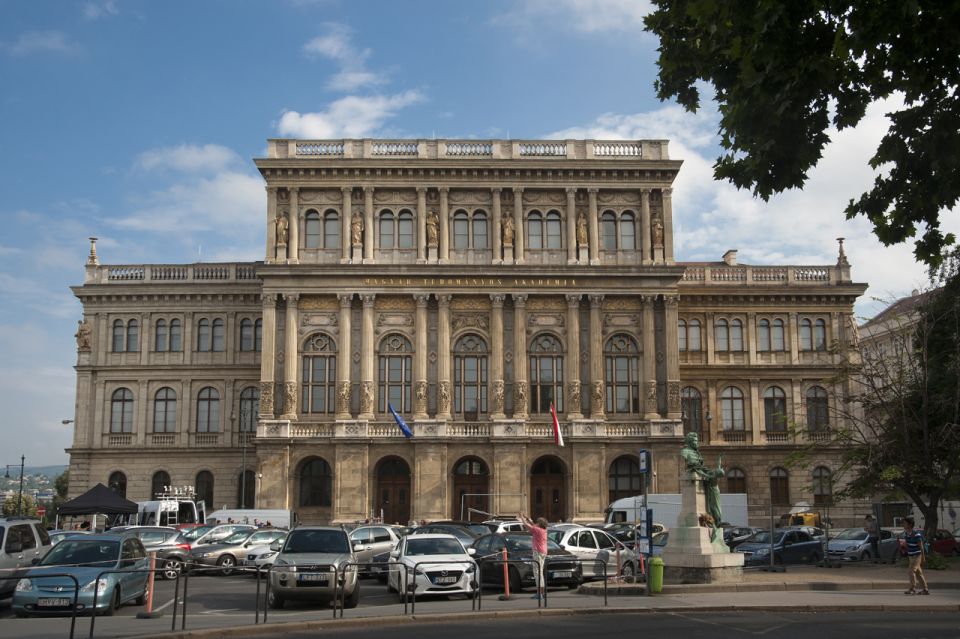
If you only have a short window in Budapest, this kind of tour is exactly what you want. It’s designed to give you the big framing pieces: what sits on the Pest side, what rises on the Buda side, and how the city kept reshaping itself through centuries of politics, faith, and design.
You’ll be walking at a comfortable pace and covering a compact distance—about 1 mile / 1.5 km—so it doesn’t feel like a forced march. The goal is simple: get your bearings fast, then deepen your understanding as the landmarks roll in.
Another reason this works is the tone. The tour keeps explaining cause and effect, not just naming buildings. When you learn how political regimes changed everyday life, you start to notice the city’s “layers” more clearly, even if you’re not the type to study timelines.
You can also read our reviews of more walking tours in Budapest


Meeting at St. Stephen’s Basilica: the easiest start point
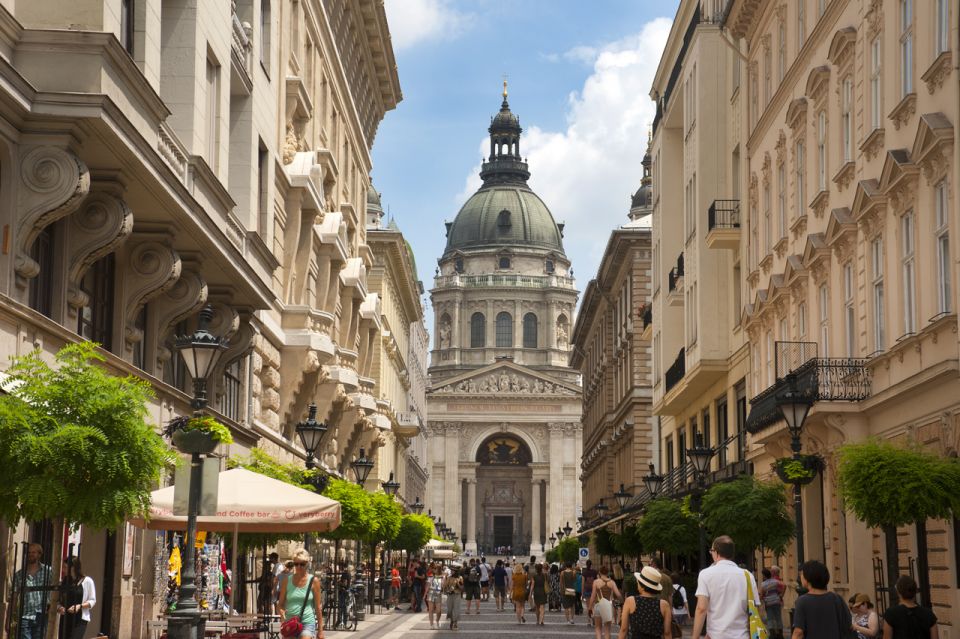
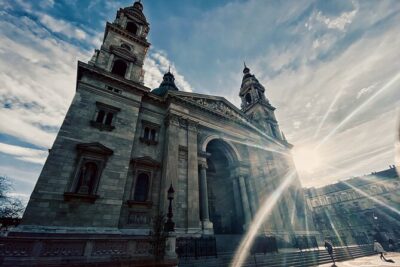
The meeting point is right next to St. Stephen’s Basilica, in front of the California Coffee Company. That’s a practical choice for you because it’s a central, easy-to-find location—and if you arrive a little early, you’ll have nearby options for a coffee or a quick snack.
Starting at the Basilica also sets the right mood. You’re stepping into Budapest’s religious and civic gravity right away, before you move into castles, churches, and monumental government architecture. The guide sets the tone for what you’ll be looking at and why it mattered, which helps you understand the jump from medieval power to modern political drama.
From Basilica energy to the Castle District climb
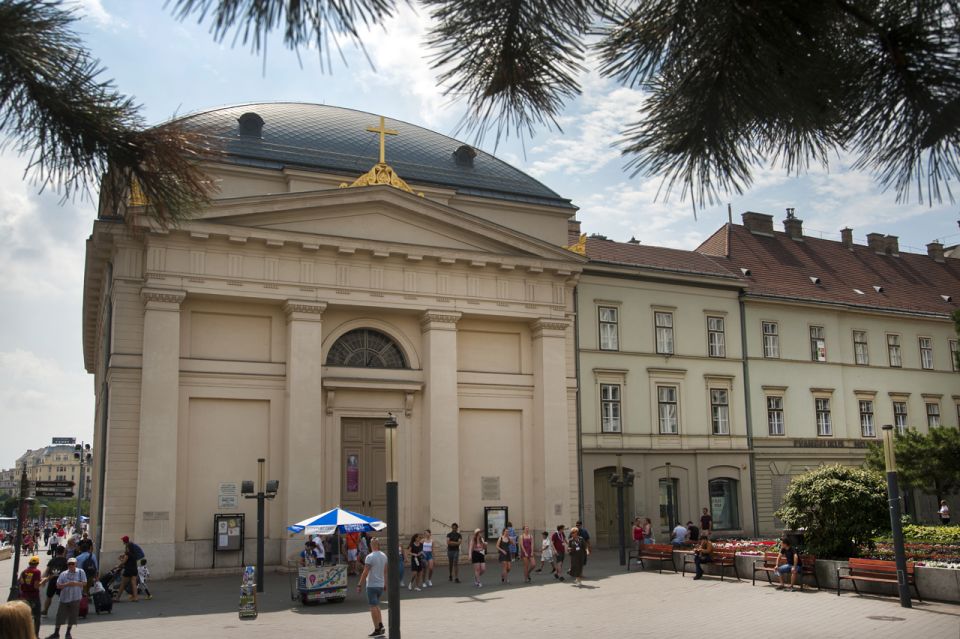
Once you get moving, the tour builds like a staircase—turning streets and squares into a guided story. The route emphasizes the monuments of the city center and then guides you through the transition toward Buda’s higher ground.
A key part of the experience is how the guide connects faith and politics. You see major religious buildings and then you’re guided into the wider question: how did belief, power, and ideology shape the way people lived in the 20th century? You’re not just hearing dates—you’re learning the human consequence behind the dates.
As you move toward the castle area, you also get a shift in feel. The streets tend to widen, views tend to open, and the mood becomes more historical. If you’ve ever felt lost in a city because everything looks impressive but you don’t know how it all fits, this section is built to prevent that.
Matthias Church and Buda Castle: beauty with context
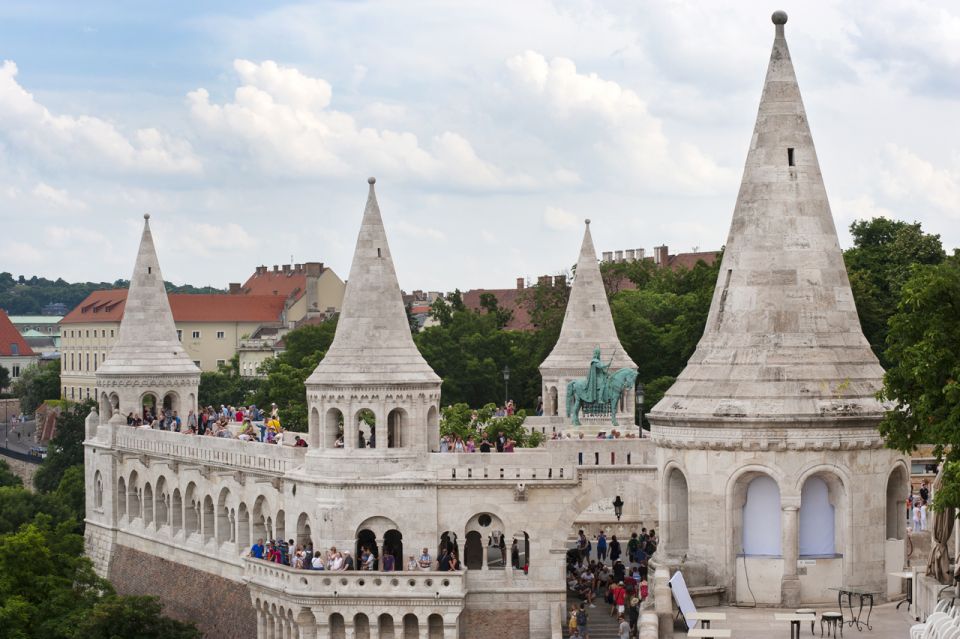
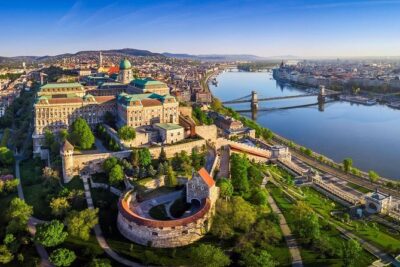
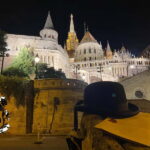
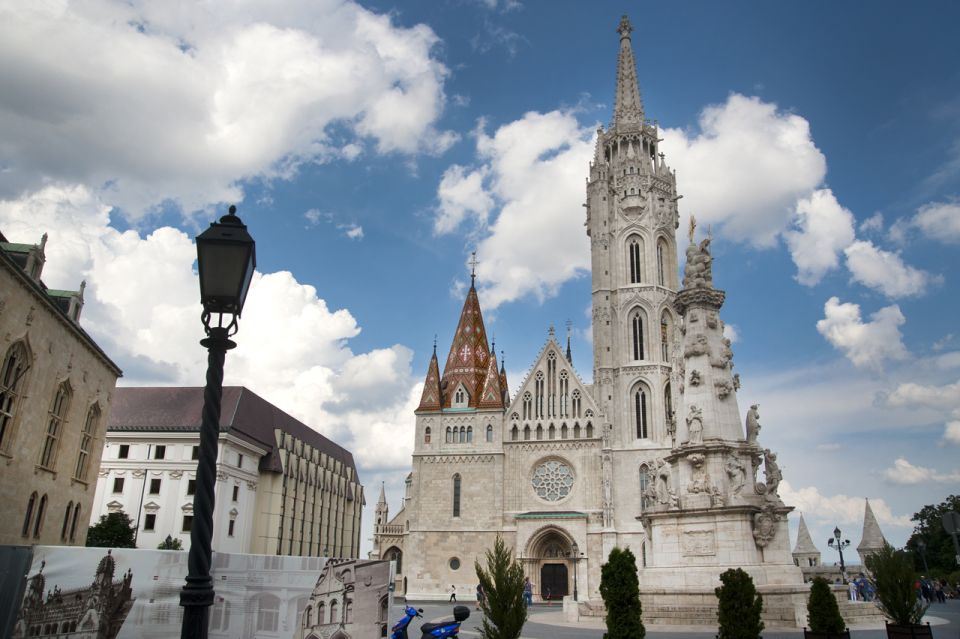
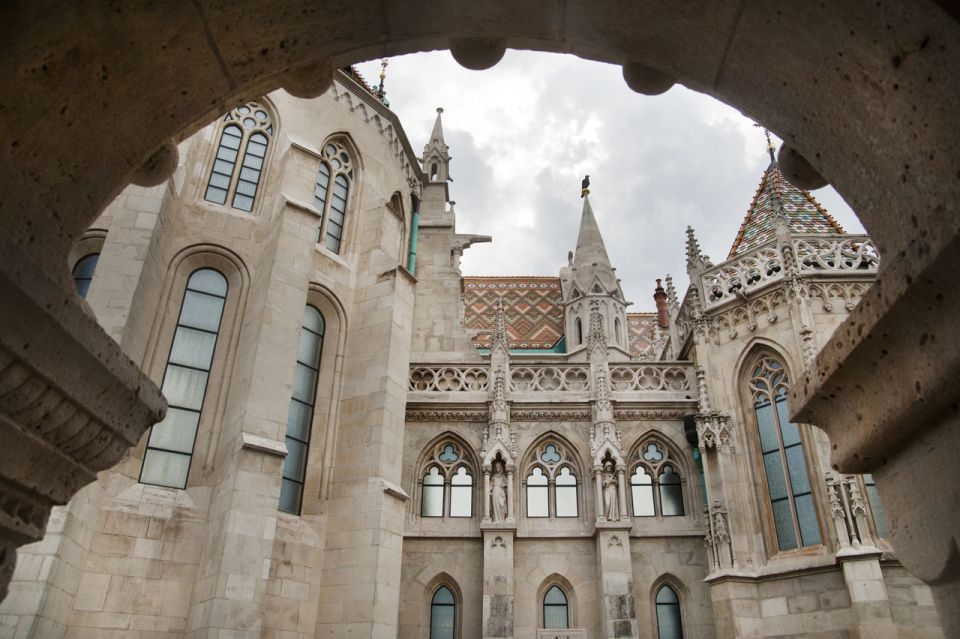
The castle area is where Budapest does its best “wow” work, and the tour doesn’t waste time getting you there. You’ll see the magnificent exterior of Matthias Church, known for its Gothic splendor, and then the Castle of Buda, a symbol of centuries of royal residence and authority.
Here’s what makes these stops more than sightseeing: the guide frames them as “power made visible.” Stately architecture isn’t random. It tells you what mattered to rulers, what people expected to respect, and how those messages survived political upheaval.
You’ll likely spend time absorbing details externally rather than turning this into an inside-only day. That suits the tour’s purpose. With only three hours, the value comes from seeing the major forms clearly—then understanding what you’re looking at through the guide’s stories.
If you’re the type who remembers facts better when they have an emotional anchor, this is a good match. People carrying the memory of dictatorship, for example, often describe buildings and monuments differently than people who only see them as photo stops. This tour helps you get that added layer.
Stories of dictatorship and revolution that make Budapest make sense
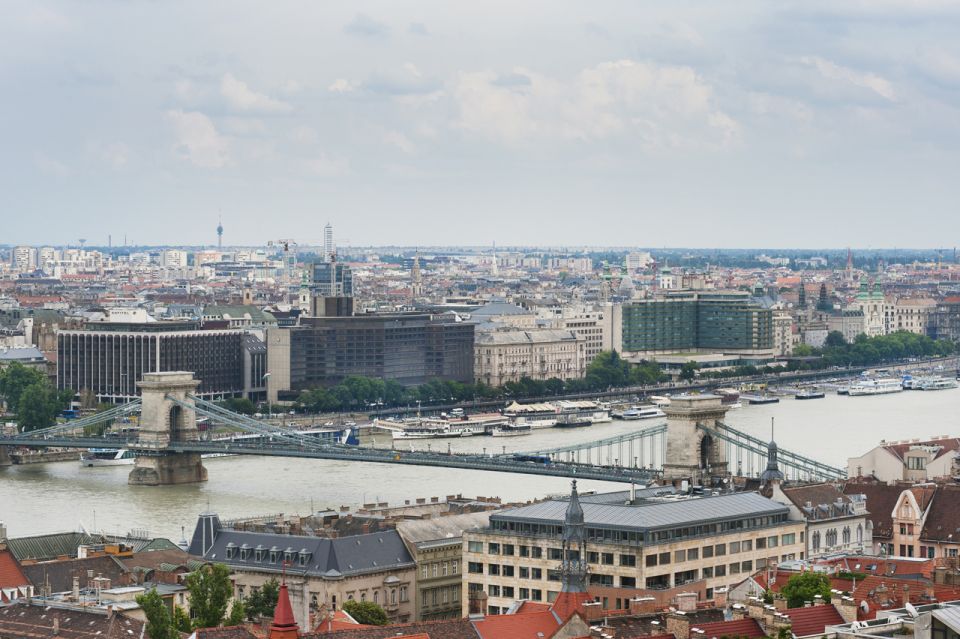
One of the most praised parts of the experience is the 20th-century framing. The guide’s emphasis isn’t academic. You get personal stories about what it was like to live through Hungary’s Communist dictatorship and the broader patterns of repression and resistance.
And here’s the practical benefit for you: once you understand the political pressure behind the decades, you’ll read signs, memorials, and even building choices differently on your own. It becomes easier to connect Budapest’s past to Europe’s wider history—especially if you’re coming from another country in the region, or if you’ve studied Central Europe only in books.
The tour also highlights the city’s “fractured history,” from medieval royal residence through 19th-century growth, and onward to Nazi and Communist eras, and then the later democratic change. Even if you don’t love history lectures, the tour keeps it moving with a human through-line.
This is where guide quality matters, and you can see the pattern in how often people mention strong storytelling and thoughtful pacing. Names that come up include Dominik, Alexandra, and Dalia—each described as friendly, energetic, and capable of answering questions without turning the group into a silent audience.
You can also read our reviews of more guided tours in Budapest





Getting the Parliament exterior without wasting your whole day
You’ll also get to see the exterior of the Hungarian Parliament building. It’s the kind of monument you naturally want to photograph, but the value of the tour is that you’ll understand it as part of Budapest’s political identity, not just as a landmark.
Because the time is limited, you avoid the trap of spending hours in paperwork-style sightseeing. Instead, you’re shown what to notice and why it matters, then you move on.
This matters if you’re doing other activities during your stay. You can pair this tour with a longer museum day or a river cruise later without feeling like you duplicated effort.
Pace, walking distance, and the river crossing reality
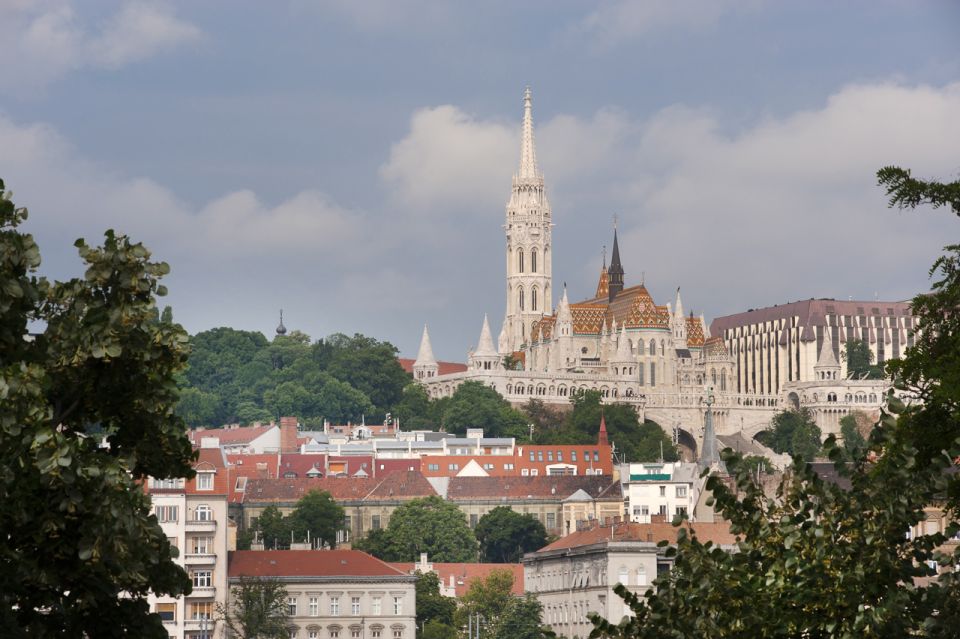
The tour is built around a comfortable pace. You walk roughly 1 mile / 1.5 km, which is short enough for many visitors—even if you’re not used to daily sightseeing. The guide keeps the pace even and practical.
There’s one more planning detail: you’ll use public transport to cross the river. That means you should expect a quick transit gap during the day, not just continuous walking. You’ll pay separately for transit tickets—listed as 4 tickets per person for metro and bus, at 1400 HUF.
If you’re traveling with limited patience for stairs and long station walks, this format can actually be an advantage. The transit segment is short, and it prevents you from doing all the uphill/downhill just on foot.
Guide style: what you gain from a real local
This tour’s biggest strength is the human one: the guide. The repeated praise is about more than facts. People consistently highlight guides who can explain hard 20th-century events without making them cold, and who can also keep the energy up with humor and quick responses to questions.
You’ll see different guide personalities depending on the day—Dominik is described as competent and attentive to tragic events; Alexandra as lively and fun with extra local knowledge; Z with humor and enthusiasm; Dalia going above and beyond to see as much as possible. Even Oliver appears in notes as a nice, knowledgeable guide.
What that means for you: you’re not simply buying a route. You’re buying a way of learning the city. If you enjoy asking questions—about political history, architecture, or how ordinary people lived under changing regimes—this setup makes it easier.
It also helps if you’re visiting in rough weather. One account notes pouring rain didn’t derail the experience. So if the sky is moody, you’re less likely to feel like your day is ruined.
Value check: $41 for three hours, and what’s extra
At $41 per person for a 3-hour walking tour, the price is positioned for value over endurance. You’re paying for a professional local guide and a structured route that hits several “anchor” sights: Basilica, Matthias Church, Buda Castle, and the Parliament exterior.
What’s not included is transit. You’ll need to purchase public transport tickets separately—4 tickets per person, listed at 1400 HUF. So your real cost is a touch higher than the sticker price, but it’s still a sensible tradeoff.
Why it’s good value for your time:
- You cover both sides of Budapest without needing a full day plan
- You get context you’d otherwise take hours to piece together on your own
- You walk a manageable distance, with transit handling the river crossing
If you’re trying to decide between a free self-guided walk and a paid tour, this is the key argument: for a short visit, the guide saves you from guessing what to look for and why it matters.
Who this tour suits best (and who might want a different option)
This is ideal for you if:
- You want a high-impact introduction and don’t have time for a long day
- You like architecture but also want political and social context
- You prefer guided explanation rather than staring at buildings and hoping it clicks
- You’ll be doing other Budapest activities and want a framework first
You might consider a different option if you’re the type who only enjoys deep museum interiors or long, slow neighborhood wandering. This tour is designed to be compact and efficient, not exhaustive.
Also, if you already know Hungarian history in depth and want more specialist detail, you may find the three-hour structure more of an orientation than a graduate-level lesson. Still, the viewpoint is useful for most people—especially first-time visitors.
Practical tips before you go
Bring comfortable shoes. Even at 1 mile of walking, you’ll be on your feet for three hours with stops and sight-facing time. If it’s rainy, plan for it. One of the strengths of the tour format is that it keeps moving in weather, not just on sunny schedules.
Wear something warm enough for Buda’s higher feel. And give yourself time for questions. The whole point is that guides can connect landmarks to stories, and you’ll get more out if you interact.
If you’re trying to photograph everything, focus on angles first: Basilica-to-city streets on the Pest side, then castle-area views. The guide pacing helps you hit the sights without sprinting.
Should you book this Budapest walking tour?
Yes, if you want the smartest first step into Budapest. The tour’s combination of major landmarks, manageable walking distance, and clear explanation of difficult 20th-century history is a strong fit for short stays.
If you’re unsure, use this rule: if you like guided orientation and want to understand why Budapest’s buildings reflect shifting power, book it. If you’d rather roam freely without structure and you already know the basics, you might be happier with a self-guided route.
Given the high rating of 4.9 with 50 reviews, plus the consistent praise for guide energy and question-friendly teaching, it’s a safe bet for value and clarity.
FAQ
How long is the Budapest walking tour?
It lasts 3 hours.
Where is the meeting point?
You meet next to St. Stephen’s Basilica, in front of the California Coffee Company coffee shop.
What sights will I see?
The tour includes stops in the Basilica area, Matthias Church, Buda Castle, and it also includes seeing the Hungarian Parliament building exterior.
How much do I walk?
You’ll walk about 1.5 kilometers / 1 mile at a comfortable pace, with public transport used to cross the river.
What does the price include?
The price includes a knowledgeable tour guide.
Are public transport tickets included?
No. Public transport tickets are not included, and the tour lists 4 tickets per person for metro and bus (1400 HUF).
What language is the tour in?
The tour is offered in English.
What if the weather is bad?
The tour is designed as a walking experience, so you should dress appropriately for conditions. You’ll still be moving through the sights, with the guide keeping the day on track.