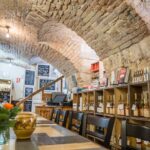
Hungary tastes best a few blocks off the map. This 3.5-hour Óbuda food tour swaps the usual city-center shuffle for a lesser-known district, then threads in real local context with stops at the Roman-era Amphitheatrum and a Danube overlook.
You get a small group capped at 12, and the whole thing is designed for English speakers, with 8+ tastings and drink pairings along the way.
What I like most is how the eating feels connected to the place. I love the combo of Hungarian staples (strudel, crispy lángos, sausages or pork knuckle, pickles, gulyás) plus a “secret” dish that keeps you paying attention. I also like the storytelling style—my favorite examples from past guides include Zoltan’s humor and George’s history-and-culture explanations, both making the food feel like a map.
One drawback: there’s a fair amount of walking, so you’ll want comfortable shoes, and the menu can shift depending on availability and weather. Also, gratuities are not included, so plan for that if your group likes to tip.
In This Review
- Key things to know before you go
- Why Óbuda is the smart choice for a Budapest food day
- Amphitheatrum and the Danube: history before you’re full
- The tasting lineup: strudel, lángos, gulyás, and the rest of the cast
- Pálinka shot and coffee: the local finish you should plan for
- Guide energy: why Zoltan (and George) change the whole experience
- Walking pace and what to wear for a 3.5-hour tasting route
- Price and value: what $118.52 buys you (and what it doesn’t)
- Should you book this Budapest Food Tour in Óbuda?
- FAQ
- How long is the Budapest Food Tour in Óbuda?
- How many tastings are included?
- What foods and drinks are included?
- What size is the group?
- Can the tour accommodate dietary requirements?
- Where do the tour start and end?
Key things to know before you go
- Roman ruins first, then food: you’ll start at the Amphitheatrum, built in the 2nd century AD near Aquincum, to set the scene fast.
- You’ll trade Pest’s crowds for Óbuda’s rhythm: it’s a different neighborhood feel—history, parks, and everyday local life rather than postcard tourism.
- You’re eating more than one category of Hungarian comfort food: strudel, lángos, meats, pickles, soup, bread, coffee, and pálinka.
- A “secret dish” and possible menu variations: the exact last bite can change with what’s available, so it stays interesting.
- Guide-led history that stays practical: past guides like Zoltan and George link sights to what you’re tasting.
- It’s small on purpose: max 12 travelers means you’ll actually hear the commentary and have time to ask questions.
Why Óbuda is the smart choice for a Budapest food day
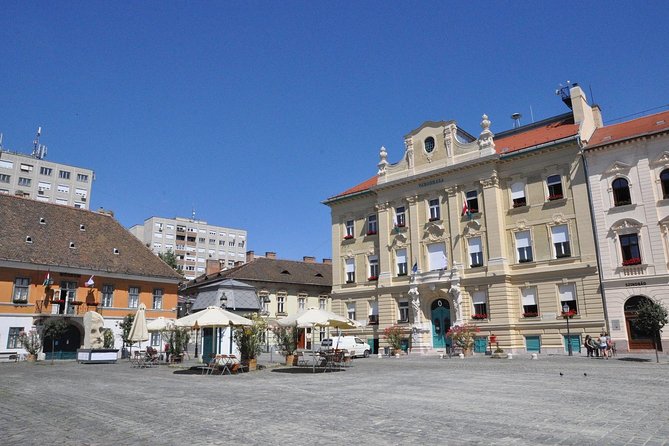
Budapest can feel like it has two faces. You get the big postcard parts, and then you get the lived-in sections where locals actually eat and shop. Óbuda is where that second face shows up, and that’s the whole point of this tour: you’re guided into a neighborhood most visitors skip.
The timing also matters. With stops that mix Roman remnants and Danube views, you’re not just consuming food—you’re building context while you walk. That makes the tastings land harder. When you understand that this part of town has been shaped for centuries (Roman-era occupation around Aquincum, then later layers), the Hungarian classics taste less like random “tour food” and more like continuity.
And because the group is capped at 12, it stays human-scale. You’re not stuck in a conga line. You can hear the guide, ask small questions, and keep moving at a pace that still feels like a stroll.
You can also read our reviews of more food & drink experiences in Budapest


Amphitheatrum and the Danube: history before you’re full
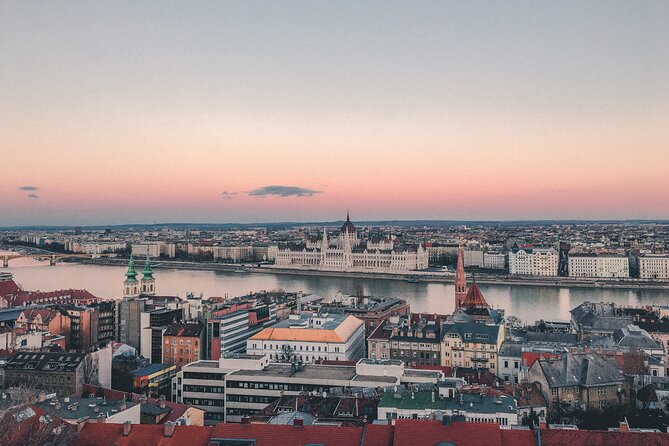
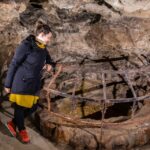
The tour opens at Amphitheatrum, an archaeological site tied to ancient Roman Budapest. It’s near the ruins of the Aquincum military camp, and it functioned as a public entertainment hub in the Roman era—think gladiatorial contests, theatrical performances, and big social gatherings. You don’t need to be a classics fan to enjoy this stop. It works because it’s short, visual, and gives you a sense of how long this city has been in the public-spectacle business.
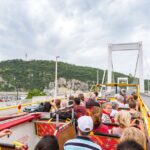
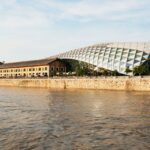
Then you shift to the Danube. Here you’ll get the big geographic idea that matters for Budapest: the river divides the city into Buda and Pest. On a practical level, this stop helps you understand why the viewpoints feel the way they do, and why the Parliament and Buda Castle show up where they do.
Is it a deep museum lecture? Not really. It’s more like a quick orientation. And that’s ideal before food, because you’ll spend the second half of the tour scanning for flavors—not forcing your brain to memorize a timeline.
The tasting lineup: strudel, lángos, gulyás, and the rest of the cast
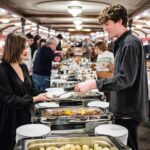
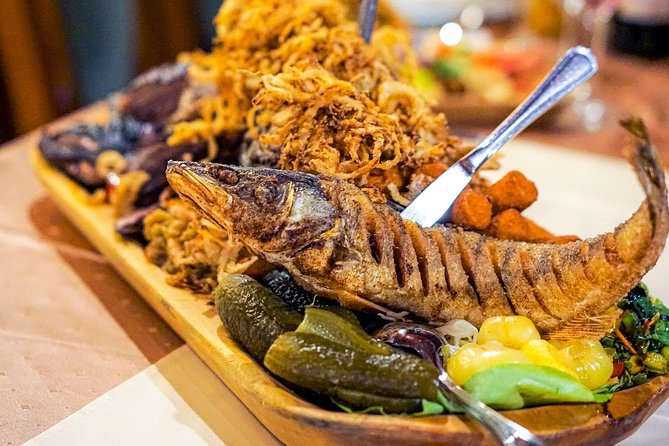
This is a proper eating tour. You’re not just sampling one pastry and calling it a day. The included lineup is built around the foods people actually crave when the weather’s cool and the day runs long.
Here’s what you can expect to taste as part of the experience:
Sweet Strudel
Hungarian strudel is more than a dessert move. It’s a warm, familiar start that signals you’re about to get grounded, not fancy. If you like pastries that feel buttery and comforting rather than light-and-airy, you’ll be in your element.
Crispy Lángos
Lángos is a classic street-food type of dish—hot, crisp, and made for eating on the move. The best part is how it turns a normal walking tour into a real “grab-and-go” food moment. If you’ve ever judged a dish too early because it looked simple, lángos will correct you.
Hungarian sausages or pork knuckle
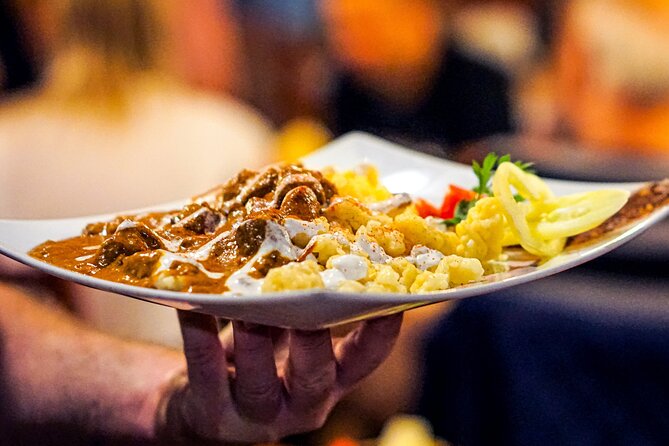
You’ll hit the savory heart of Hungarian comfort food here. Depending on what’s available, you’ll either get juicy sausages or a tender pork knuckle. Either way, this is the stop that shifts you from snacking into meal mode.
Pickles
This sounds basic until you taste it in context. The tang cuts through richness, and it helps the rest of the flavors make sense.
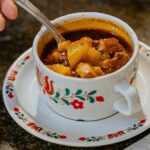
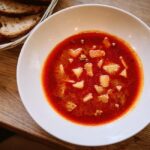
Gulyás soup
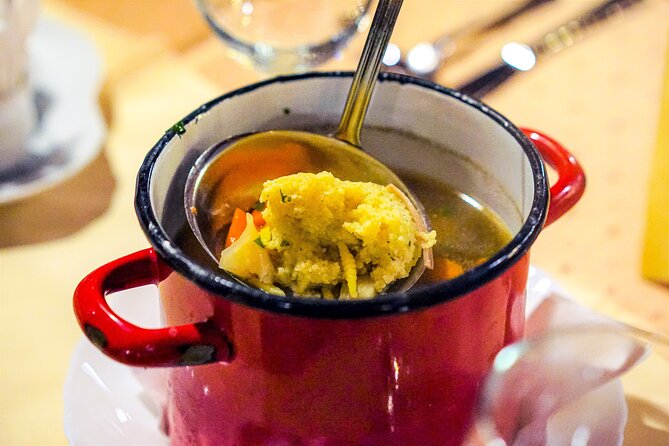
Gulyás is the kind of dish that makes you understand why Hungarian food gets described as hearty. It’s warming, filling, and meant to be eaten slowly. On a tour day, it’s a perfect “reset” between heavier bites.
Freshly baked bread
Bread isn’t filler here. It’s part of how Hungarian meals stretch, balance, and clean up every last bit on your plate.
Our delicious secret dish
You’ll get an additional stop or portion that isn’t listed the same way every time. That’s one reason this tour stays fun for repeat travelers: you’re never exactly sure what the surprise bite will be until it lands.
Coffee
Coffee closes things out in a very “finish the conversation” way. It’s also a smart palate step after the stronger flavors and alcohol.
One more bonus from what people have experienced on the day: some groups have highlighted stuffed cabbage as a standout dish. Because the menu can change based on availability and weather, you might find a similar comfort-food classic show up depending on timing.
Pálinka shot and coffee: the local finish you should plan for
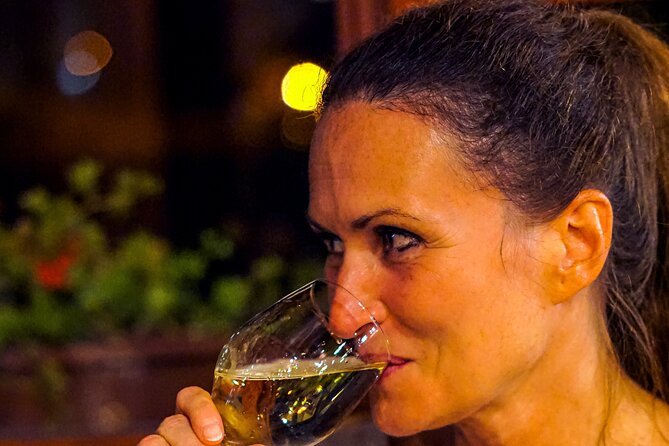
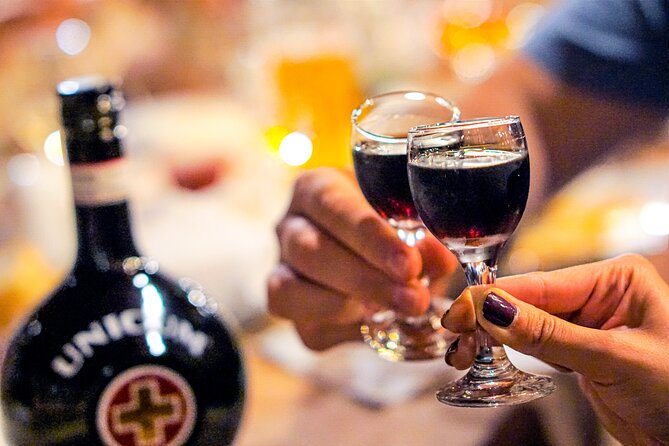
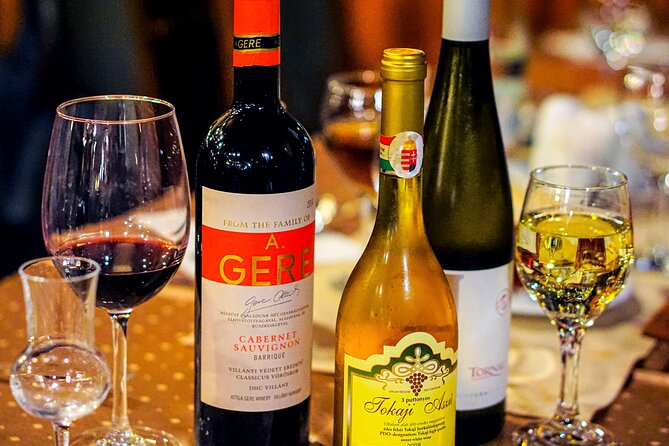
Pálinka is Hungary’s fruit spirit, and you’ll get a shot of it during the tour. This matters for two reasons. First, it’s a big part of local drinking culture, so it turns the tour from food-only into a fuller sense of the table. Second, it’s strong—so pace yourself. One shot is plenty, but you’ll be glad you ate a real meal before it.
Then comes coffee, which feels like the grown-up version of dessert. It’s a good “cool down” after salty meats, tangy pickles, and warming soup.
If you don’t love spirits, be honest with your guide at the start. The tour notes that dietary requirements should be discussed in advance so they can cater as best they can.
Guide energy: why Zoltan (and George) change the whole experience
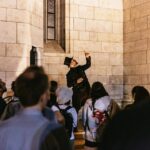
A food tour lives or dies on the guide’s ability to connect the dots. In this case, you can see the pattern from the experience of past groups: guides like Zoltan lean into humor and local pride, while George brings history-and-culture context that explains why certain dishes show up where they do.
That kind of guiding does more than entertain. It also helps you taste with intention. Instead of eating and forgetting, you start noticing details—what’s salty, what’s tangy, what’s smoky or warming, and why bread and pickles often play supporting roles.
The most valuable thing I get from a tour like this isn’t just the list of dishes. It’s the sense that Hungarian food has logic: it’s built to feed people, carry flavors across a long day, and pair well with the kind of social eating that happens naturally in a small group.
You can also read our reviews of more tours and experiences in Budapest

Walking pace and what to wear for a 3.5-hour tasting route
This is not a sit-down cooking class. You’ll be on your feet for the full experience, and the tour notes a fair amount of walking. You’ll want shoes that can handle cobblestones and uneven pavement without drama.
Also, plan your expectations around pacing. Tastings are multiple stops, and you’ll likely eat enough to feel satisfied—but not so much that you’d rather lie down for the rest of the day. The tour is structured to keep you moving between locations, with food arriving at intervals that make sense for a 3.5-hour window.
If you’re the kind of person who easily gets cold, dress accordingly. Even if the weather isn’t harsh, Budapest winds can make you want layers.
Price and value: what $118.52 buys you (and what it doesn’t)
At $118.52 per person for about 3 hours 30 minutes, you’re paying for three things:
- Multiple included tastings (8+ items, including soup, meats, sweets, bread, coffee, and a pálinka shot)
- A small-group guide with local stories tying the food to place
- Convenient structure that saves you from guessing where to eat in a neighborhood most visitors skip
You’re also getting admission ticket free for the key sightseeing portion(s) noted in the tour details. That doesn’t mean the entire day is “free,” but it helps you feel like the money goes into experiences and food, not just checkmarks.
What you’re not paying for: hotel pickup or drop-off. You’ll also be responsible for gratuities, since those aren’t included.
Is it cheaper than eating on your own? Sometimes, yes—if you’re good at building a plan. But if you want a day where food is lined up, the neighborhood is introduced, and the portions are measured to keep the experience flowing, this price starts to make sense fast.
Should you book this Budapest Food Tour in Óbuda?
I’d book it if you want Budapest food without the same-old central drag. This is best for you if you like eating as a way to understand a city, you’re comfortable walking for a few hours, and you enjoy local culture stories that make the plates meaningful.
I’d think twice if you hate alcohol or strong flavors. There’s a pálinka shot included, and while you can discuss dietary needs in advance, the tour is still built around Hungarian culinary tradition.
Also, because the tour relies on good weather and menu availability can change, it’s a good idea to choose dates where you’re not going to be upset if things shift.
If you want one practical way to decide: ask yourself whether you want to spend your day hunting for places in Óbuda, or letting a guide do the heavy lifting while you focus on tasting. For many people, that’s the difference between a meal and a memory.
FAQ
How long is the Budapest Food Tour in Óbuda?
It runs for about 3 hours 30 minutes. It includes multiple tasting stops and a fair amount of walking.
How many tastings are included?
You can expect 8+ tastings as part of the experience, plus coffee and a shot of pálinka.
What foods and drinks are included?
Included tastings include sweet strudel and crispy lángos, Hungarian sausages or pork knuckle, pickles, gulyás soup, freshly baked bread, a shot of pálinka, a secret dish, and coffee.
What size is the group?
The tour has a maximum of 12 travelers, and it’s designed as a small-group experience.
Can the tour accommodate dietary requirements?
You should contact the provider in advance to discuss dietary requirements so they can cater for you as best they can. The itinerary and menu can also change based on availability and weather.
Where do the tour start and end?
The tour starts at the Statue of Árpád in Budapest (1034). It ends in the Budapest area around Korona tér 1 (1036), with the tour ending at the Árpád Bridge Buda side by the Hungarian Museum of Commerce and Hospitality.