REVIEW · BUDAPEST
Budapest: Jewish District Private Walking Tour
Book on GetYourGuide →Operated by Travel Van Kft. · Bookable on GetYourGuide
Jewish Budapest feels like a living museum. This private Jewish Quarter walking tour pairs major synagogue sights with the everyday energy of places like Szimpla Kert, so you don’t just look at history—you see how it still shapes the city. I especially love the way the route balances big landmarks (like Dohány Street) with quieter, design-forward stops, and I like that you’ll also spend time in the street-art and street-life parts of the neighborhood, not only inside religious buildings.
One consideration: synagogue interior tickets cost extra, and visits aren’t available during synagogue closures (Friday afternoons, Saturdays, and Jewish high holidays). If you plan to go inside every building, budget for those entrances and be ready for timing changes.
In This Review
- Key things to know before you go
- Getting your bearings: the Jewish Quarter, on foot, with a guide
- Rumbach Street Synagogue: a restored façade with real context
- Dohány Street Synagogue: Europe’s biggest, and why that matters
- Hungarian Jewish Museum + Raoul Wallenberg Memorial Garden: meaning beyond buildings
- Hungarian Jewish Museum
- Raoul Wallenberg Memorial Garden + the Tree of Life
- Gozsdu Court and the Jewish Quarter between faith and nightlife
- Kazinczy Street Orthodox Synagogue: Art Nouveau details you can spot fast
- Szimpla Kert ruin bar: the bohemian side you can actually taste
- Price and value: what $229 per group gets you (and what to budget)
- Booking smart: timing, dress, and the reality of closures
- Who this tour suits best
- Should you book this Budapest Jewish District Private Walking Tour?
- FAQ
- FAQ
- What’s included in the tour price?
- Are synagogue interior visits included?
- How long is the walking tour?
- Is this a private tour?
- Is pickup included?
- What language is the tour guide?
- When are the synagogues closed?
- Are luggage and certain clothing allowed?
- Is wheelchair assistance available?
Key things to know before you go
- Private group, 3 hours, with pickup: Your guide meets you at your hotel or wherever you request in advance.
- Big synagogue plus optional interiors: Dohány Street is a star, but indoor access depends on timing and ticketed entry.
- Wallenberg Garden and the Tree of Life: A reflective stop that adds meaning beyond architecture.
- Ruin-bar culture at Szimpla Kert: You’ll visit an early ruin bar setting and likely pause for a drink.
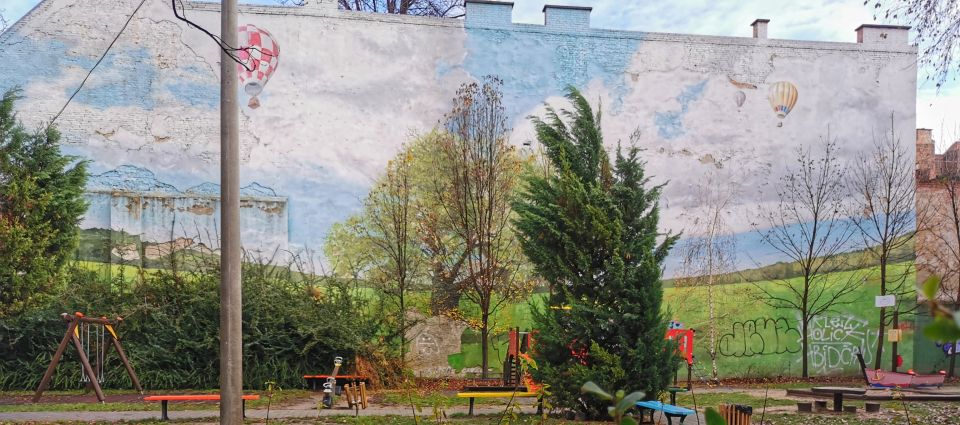
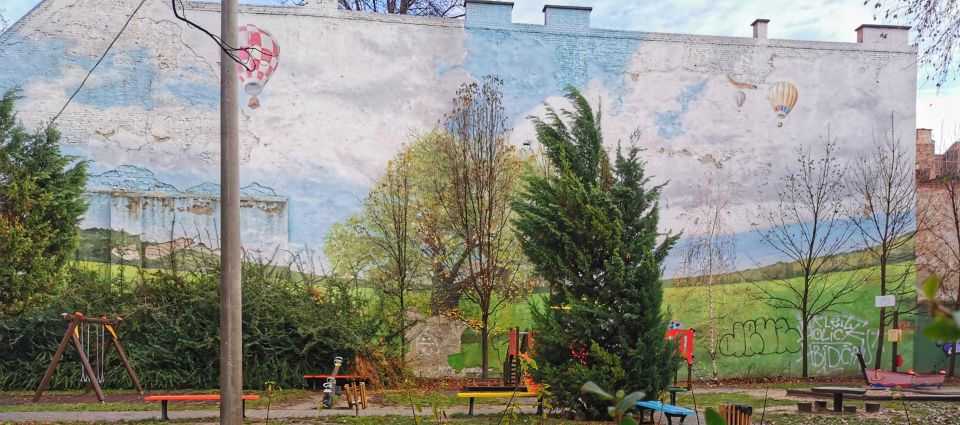
- Street art included: The Jewish Quarter’s murals and underground-style urban art are part of the story.
Getting your bearings: the Jewish Quarter, on foot, with a guide
Budapest’s Jewish Quarter can feel like two cities at once: serious stone-and-history landmarks on one side, then cafes, food spots, and that artsy night-life vibe on the other. I like this tour because it doesn’t force you to choose. You start with landmark synagogues and then walk toward the neighborhood’s modern identity—so the area makes sense as a whole.
Also, you get the practical advantage of a private format. It’s scheduled for about 3 hours, but the guide can steer the pace to your questions. It’s English live guiding, and your pickup is included, so you’re not doing the awkward “where exactly is the meeting point?” dance.
A quick heads-up for comfort and respect: the tour is a walking experience, and you’re not allowed luggage or large bags, and sleeveless shirts aren’t permitted. If you’re visiting in hot weather, bring a light layer that still works with synagogue dress expectations.
You can also read our reviews of more walking tours in Budapest



Rumbach Street Synagogue: a restored façade with real context
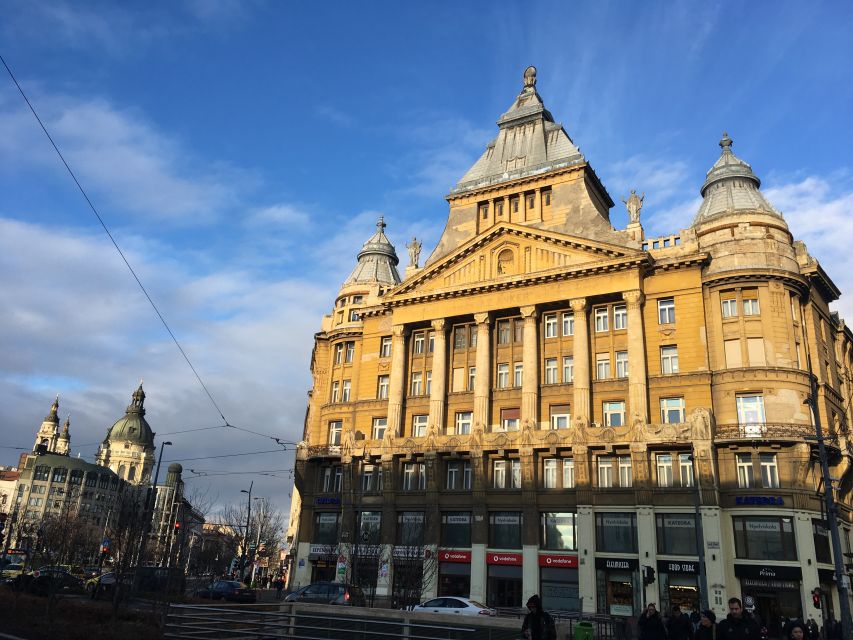
The tour begins at Rumbach Street’s synagogue. This is the kind of stop that works even if you’re not a building-architecture nerd. You see a structure that’s been recently restored, and the guide’s job is to connect what you’re seeing to what happened before.
I find these opening minutes matter. Starting with a restored synagogue sets the tone: this isn’t just sightseeing. It’s about how Budapest’s Jewish community shaped the city—and how the city, in turn, remembers and rebuilds.
What to look for:
- The exterior details that signal the building’s importance to the neighborhood.
- The way the guide explains the layers of Jewish life here over time (so later stops feel connected rather than random).
Possible drawback: because the tour includes multiple synagogue stops, the schedule can get tight if you’re hoping for long photo sessions outside every building. If you want extra time for photos, ask your guide early.
Dohány Street Synagogue: Europe’s biggest, and why that matters
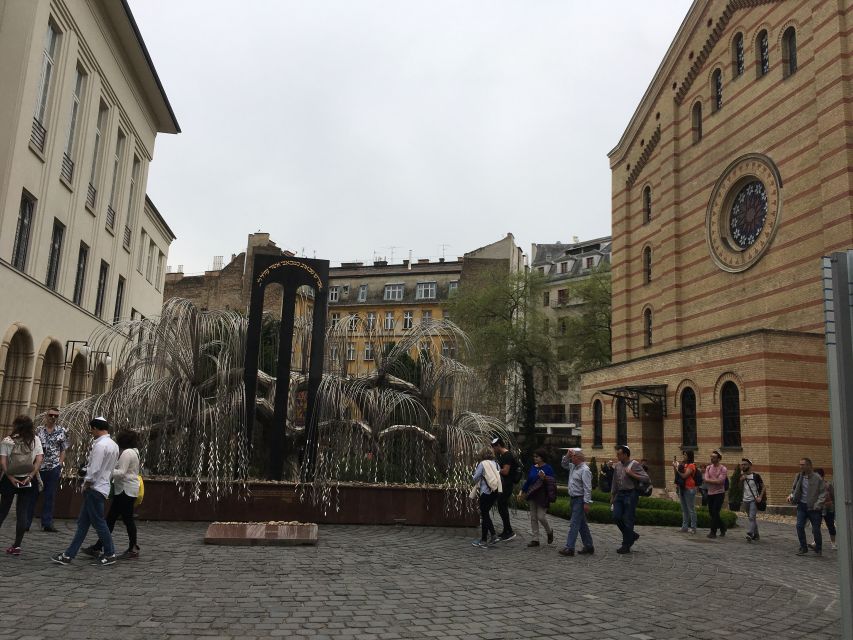
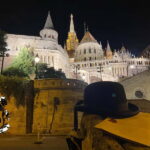
Next comes Dohány Street Synagogue—the biggest synagogue in all of Europe. Even if you’ve seen famous synagogues in other cities, you’ll feel the scale here. It’s the kind of landmark you can spot from a distance, and up close it reads like a statement: this was a community with deep roots, visible confidence, and a long cultural footprint.
This is also a strong storytelling stop. A great guide helps you understand what a building like this signaled socially, not only spiritually. You’ll also learn how Jewish life in Budapest changed across different eras, so when you move from one site to the next, the story flows instead of turning into a checklist.
Practical tip: interior visits are optional, and tickets are not included. The tour helps you skip the ticket line, which is useful—synagogue lines can eat your time fast. If interior access is important to you, plan to budget for the entrance fees and be ready to adjust if closures affect your timing.
Hungarian Jewish Museum + Raoul Wallenberg Memorial Garden: meaning beyond buildings
After the main synagogue stops, the tour continues into museum territory and then into a memorial space. This is where the experience gets emotionally clearer.
Hungarian Jewish Museum
The Hungarian Jewish Museum stop (with your guide) adds context to everything you’ve already seen. Instead of just learning names and dates, you get a sense of how Jewish life in Hungary was documented, shaped, and remembered. Even if you don’t plan to spend hours inside museums elsewhere, this guided segment helps you understand what to pay attention to if you do read exhibits.
You can also read our reviews of more private tours in Budapest






Raoul Wallenberg Memorial Garden + the Tree of Life
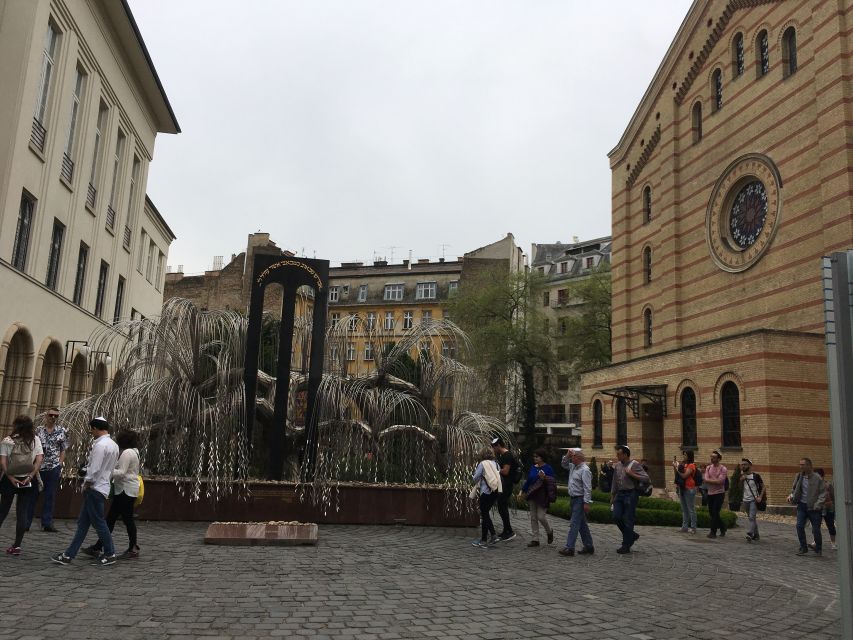
Then you reach the Raoul Wallenberg Memorial Garden, including the famous Tree of Life monument. I like this stop because it shifts the tone from architecture to moral history—what people did, how lives were protected, and how memory is physically marked in a space you can walk through.
If you like photography, this is one of the best places on the route to slow down. The garden setting gives you light and angles that don’t feel like another crowded tourist photo spot.
A practical note: this portion is still part of your 3-hour window, so don’t plan to linger so long that you end up rushed for the later Orthodox synagogue and the neighborhood hangout.
Gozsdu Court and the Jewish Quarter between faith and nightlife
Now the tour heads toward Gozsdu Court, the area known for food and beverage. This part of the route is important because it shows you how the neighborhood functions today. The Jewish Quarter isn’t frozen in time, and street-level life is part of the real experience.
After the museum-and-garden pace, this is where you get a reset:
- You’ll walk among modern venues and street energy.
- You’ll get a feel for the neighborhood’s everyday rhythm, not only its memorial sites.
If you like to travel like a local, this is where I’d tell you to pay attention to what people are actually doing: grabbing quick bites, chatting outside, and mixing casual culture with deep place-based history.
Kazinczy Street Orthodox Synagogue: Art Nouveau details you can spot fast
The tour finishes the religious landmark section with the Kazinczy Street Orthodox Synagogue. What makes this stop especially fun is the Art Nouveau architecture. Even if you don’t know architectural terms, you can still enjoy the visual language—ornamentation, curves, and the kind of design that looks intentional rather than accidental.
The guide brings the building to life with interpretation, and you can also explore the inside of the building as part of this stop (again, depending on access and ticket rules).
Why it’s a great final synagogue:
- By now you’ve seen different synagogue vibes, so you’ll notice differences more clearly.
- It gives you a satisfying “design payoff” before the tour swings toward the bohemian side of the neighborhood.
Tip: bring a photo mindset, not just a walking mindset. This is one of those places where a quick 360-degree glance can help you catch details you’ll miss if you stay focused on the main entrance.
Szimpla Kert ruin bar: the bohemian side you can actually taste
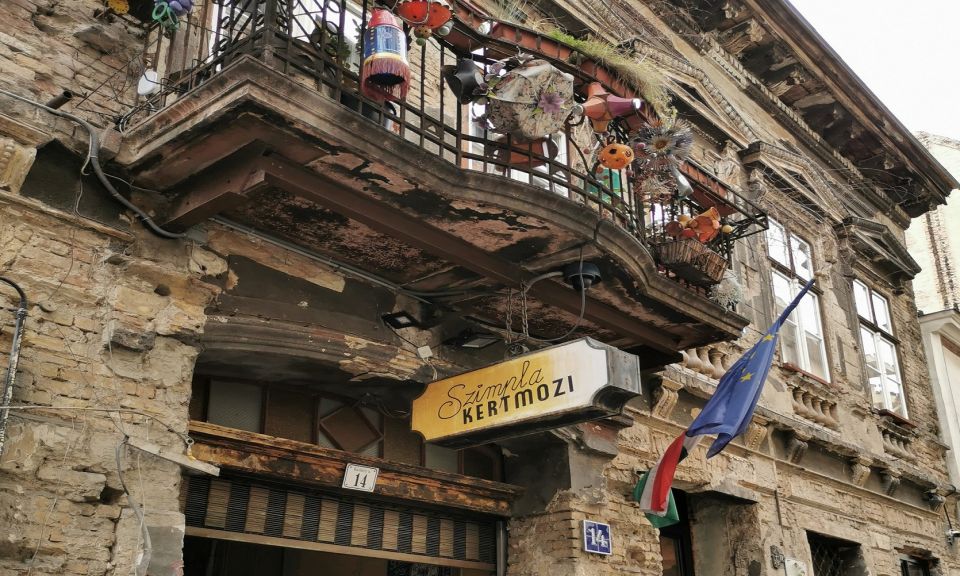
After Kazinczy, your guide takes you next to the bohemian area of the Jewish Quarter and the famous ruin bar Szimpla Kert (often referred to as Szimpla Garden). This stop is less about the building itself and more about the neighborhood identity.
Ruin bars are part art project, part social club, part history lesson in reuse. You’ll see why this style took root here—old spaces turned into gathering points, and a culture that makes the neighborhood feel creative rather than solemn only.
Your tour includes the visit. Food and drinks are not included, but you can take your time with a drink if you want. I think this is a good end-of-tour option because it lets you decompress after a sequence of serious historical sites.
One thing to consider: if your main goal is strictly architecture or strictly synagogue history, the ruin bar stop might feel more social than scholarly. If that’s you, still go for the brief walk-through and then decide if you want to order anything.
Price and value: what $229 per group gets you (and what to budget)
The price is $229 per group up to 20, for a 3-hour private walking tour with hotel pickup and an English live guide. That pricing works best if you’re traveling with friends, classmates, or a mixed group who wants a shared guide experience without splitting into separate tours.
Here’s the value breakdown I’d use to make the call:
- You’re paying for a guide who stitches together multiple stops that otherwise might feel like separate attractions.
- You’re getting pickup and a route designed to connect synagogues, museum context, and street-level neighborhood culture.
- You get help with ticket-line skipping, but ticket costs are still on you.
What you should budget beyond the tour:
- Entrance tickets for synagogue interiors (interior visits are optional).
- Food and drinks if you choose to stop for something at Gozsdu Court or Szimpla Kert.
If you hate paying surprise fees, this tour can still be a good deal—you just need to plan for entrances. The tour’s structure gives you the guidance; the tickets are the only true extra cost.
Booking smart: timing, dress, and the reality of closures
There are a few rules that matter more than most people expect:
- Synagogues are closed on Friday afternoons, Saturdays, and Jewish high holidays.
- If you need wheelchair assistance, contact the operator in advance.
Dress and bag rules are also clear:
- No luggage or large bags.
- Sleeveless shirts aren’t allowed.
One more practical angle: because synagogue interiors are optional and closures can affect access, you should treat the outdoor-and-guided parts as the backbone of the tour. Then decide whether you want to pay for interiors based on what’s open on your specific day.
Who this tour suits best
This is ideal if you want:
- A guided, chronological-feeling walk through Budapest’s Jewish heritage sites.
- A mix of solemn landmarks and neighborhood life, including street art.
- A private setup where you can ask questions and adjust your pace.
Based on guide styles seen on past bookings, you may have an exceptionally talkative and flexible guide. Names you might encounter include Eszter, Emi, Andras (Andy!), or Gary—and the common thread is how they connect architecture and history into a coherent story.
If you’re traveling with a school group or you like structured learning, this tour also works well. If you’re a total history purist who wants zero nightlife energy, you may prefer a synagogue-focused option, because the walk includes Gozsdu Court and the ruin bar.
Should you book this Budapest Jewish District Private Walking Tour?
I’d book it if you want one guide to connect the dots between the big headline sights and the neighborhood’s current culture. You’ll come away understanding not just what the buildings are, but why the Jewish Quarter’s story still shows up in Budapest’s streets, murals, and social spaces.
Skip it (or plan carefully) if:
- You strongly dislike paid add-on entrances and prefer everything included.
- Your trip falls on a day/time when synagogue interiors are likely closed.
- You want a strictly museum-only or strictly religious-sites-only itinerary.
FAQ
FAQ
What’s included in the tour price?
The tour includes your guide meeting you at your hotel or wherever you request in advance. Entrance tickets, food, and drinks are not included.
Are synagogue interior visits included?
Interior visits of the synagogues are optional. Entrance tickets are not included in the price.
How long is the walking tour?
The duration is 3 hours.
Is this a private tour?
Yes, it’s a private group tour.
Is pickup included?
Yes, pickup is included. The guide will wait in your hotel lobby or another agreed spot.
What language is the tour guide?
The tour is offered with a live English guide.
When are the synagogues closed?
Synagogues are closed on Friday afternoons, Saturdays, and on Jewish high holidays.
Are luggage and certain clothing allowed?
No luggage or large bags are allowed, and sleeveless shirts aren’t allowed.
Is wheelchair assistance available?
Contact in advance if you need wheelchair assistance on this tour.