REVIEW · BUDAPEST
7 Days Balkan tour to historic Croatia and Bosnia Herzegovina
Book on Viator →Operated by goEUgo International Limited · Bookable on Viator
Seven days, two countries, big history. This tour strings together Croatia’s Adriatic icons and Bosnia and Herzegovina’s Ottoman-era and wartime landmarks in a single, guided loop from Budapest. It’s a good match if you want “see a lot” travel without spending your brain budget on planning.
I especially like the built-in structure: a professional coach driver, an English-speaking tour manager, and time set aside for the major sites so you’re not hunting for tickets or meeting points all day. I also like the way the route blends famous postcards (think Plitvice, Dubrovnik) with smaller moments (like Počitelj’s stepped fortress village and Blagaj by the cliff). One thing to consider: not every attraction is included, and you should also budget extra cash for daily gratuities and optional cable car or other upgrades.
In This Review
- Key things to know before you go
- From Budapest to the Adriatic, then Bosnia: how the route really feels
- Zagreb Cathedral, Ban Jelačić Square, and St. Mark’s Church: a strong start day
- Plitvice Lakes National Park: free entry, big walking reward
- Zadar and Split: Sea Organ sounds, Roman bones, and easy city rhythm
- Dubrovnik’s walls and key stops: one day that can feel like a whole trip
- Počitelj, Blagaj, and Mostar: Bosnia’s layered stops and the places you remember
- Sarajevo: Latin Bridge context and the city of many cultures
- Pécs on the way back: ending in Hungary with Turkish ruins and a cathedral view
- Price and value: what you’re really paying for
- The guide factor: English access and good storytelling (especially if Kenny is on your departure)
- Who this tour fits best, and who should think twice
- Before you book: small prep that prevents big headaches
- Should you book this Balkan 7-day tour?
- FAQ
- What’s the start point and start time?
- Which countries and main cities are covered?
- What’s included in the price?
- What costs are not included?
- Is the tour offered in English?
- How late can I cancel for a full refund?
Key things to know before you go
- English-first guidance with an English-speaking tour manager; one guide Kenny has been reported as fluent in both Mandarin and English.
- Coach pace with short focused site blocks that let you cover major cities without driving yourself.
- Plitvice Lakes National Park is marked as free for the visit.
- Dubrovnik is multiple stops in one day (Old Town plus key sights), not just a quick walk-by.
- Bosnia adds emotional context with stops tied to places like Mostar and Sarajevo.
- Small group size (max 30) helps the schedule feel manageable.
From Budapest to the Adriatic, then Bosnia: how the route really feels
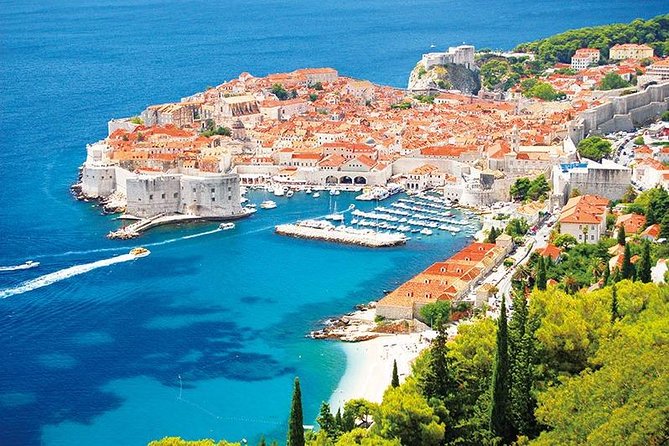
This is a classic “Balkan highlights” route, and the tradeoff is time in the coach. You’ll be moving between cities often, which means your energy goes to logistics and sightseeing both. The upside is that you get a front-row seat to how varied this region is: Central European city centers, Croatian coast history, then Bosnia’s layered cultural mix.
Your base is always 3-star hotels or better (minimum) with private facilities, in twin/double/single rooms depending on what you book. You’ll also get breakfast 6 times, which matters because it keeps mornings efficient when the day’s sightseeing starts early.
You’ll want to travel light. The tour allows one luggage piece up to 30 kg plus one small carry-on, which is a practical limit for busy coach travel and hotel rooms.
You can also read our reviews of more historical tours in Budapest


Zagreb Cathedral, Ban Jelačić Square, and St. Mark’s Church: a strong start day
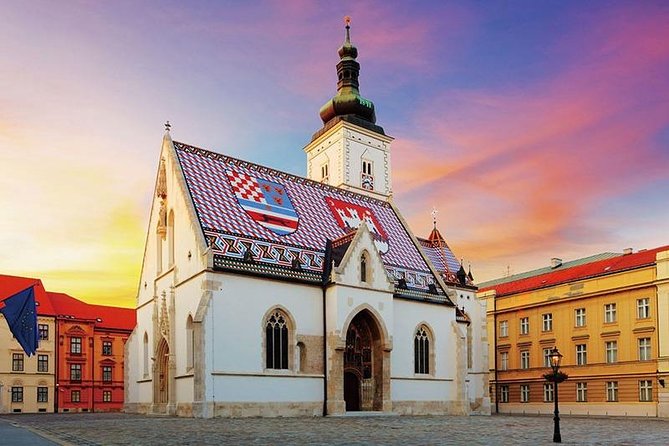
Day one puts you in Zagreb, Croatia’s capital, with a morning drive and concentrated walking time around the city center. Zagreb has survived multiple eras and conflicts, and the result is a city where you can still read the old urban design: squares, church spires, and Gothic details that look crafted rather than mass-produced.
The itinerary focuses on the big visual anchors:
- Zagreb Cathedral (entry not included on the schedule)
- Ban Jelačić Square (the city’s central meeting point vibe)
- St. Mark’s Church (again, marked as admission ticket not included)
I like this start because it sets a tone. You’re not jumping straight into beach scenery; you’re learning the “grammar” of the region—how cities look and feel before you move toward the coast.
If you care about churches and interiors, this is where you should assume you may pay for entry yourself. Several Zagreb stops are listed as ticketed not included.
Plitvice Lakes National Park: free entry, big walking reward
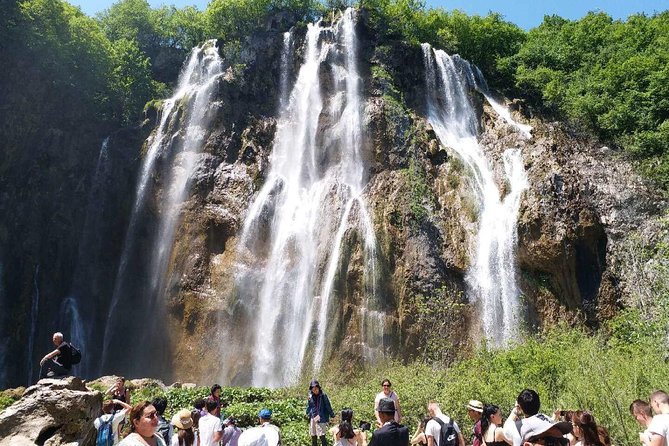
Plitvice Lakes is one of those places where the effort pays back fast. The park’s appeal here is simple and visual: 16 lakes linked by waterfalls, with walking paths and viewpoints built around travertine formations. The description emphasizes the natural “dam” effect of travertine barriers and the calcium-rich water that creates that silver-toned reflection.
Expect a guided tour sized for seeing the core without turning the day into a marathon. The itinerary lists 4 hours on site and marks the admission as free.
Practical advice: wear shoes you can rely on. Even if the paths are designed for visitors, you’ll still be stepping around wet zones and uneven ground. Also plan for weather changes—Plitvice can feel cooler and shadier than a city.
Zadar and Split: Sea Organ sounds, Roman bones, and easy city rhythm
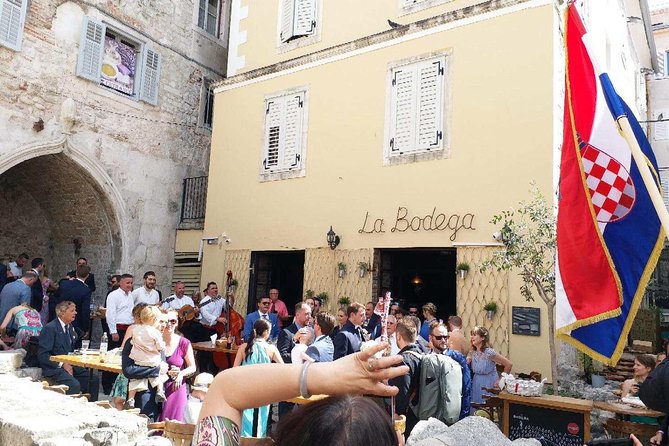
On day three, you get a shift from nature back to cities. Zadar comes first with the kind of old-streets atmosphere that makes you slow down without trying. The tour highlights the older medieval-feeling lanes and the waterfront set pieces, including the Sea Organ (Morske Orgulje) and Sun Salutation (a solar light display).
Then the schedule heads toward Split, where Roman history is not background—it’s architecture in your line of sight. You’ll focus on the Diocletian’s Palace Peristyle, tied to the fourth century AD. It’s the sort of place where you can look up and see the “why” behind today’s streets: this is a city structure built from older power.
This day is a good “attention reset.” You’re not just taking photos—you’re learning how the region’s empires shaped everyday life. The coaching pace is still real, though, so if you’re someone who hates being on the bus, you’ll want to treat today as a sightseeing + transit day.
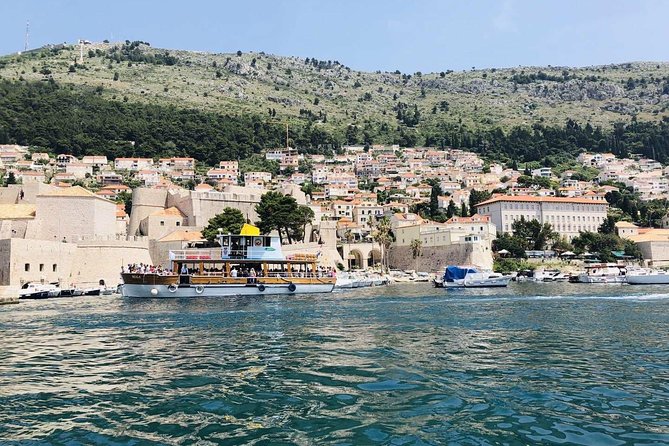
Dubrovnik’s walls and key stops: one day that can feel like a whole trip
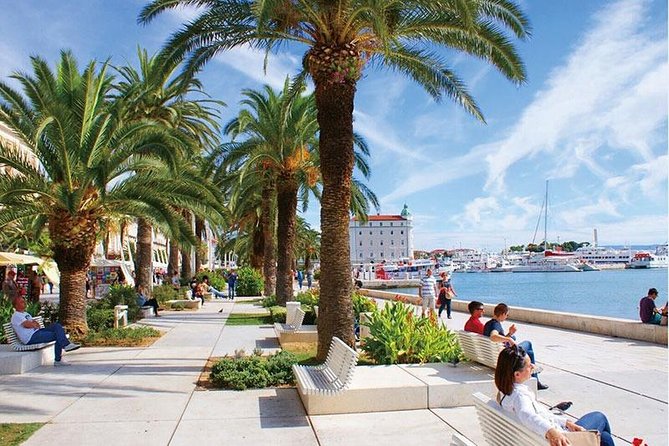
Dubrovnik is the headline on day four, and the plan is to give you more than one look. You’ll cover:
- Old Town
- the city walls area (the itinerary calls out wall views)
- the Rector’s Palace
- the Franciscan Church and Monastery
- plus a cable car option for mountain viewpoints (admission not included)
It’s also described through the lens of popular culture—Game of Thrones and Miyazaki’s film inspiration. You don’t need that context to enjoy Dubrovnik, but it does help explain why the streets feel so cinematic.
Here’s the drawback to keep in mind: several of the stops are listed as admission ticket not included, so you should expect your spending to rise on the Dubrovnik day. The upside is that the itinerary gives you multiple anchor points, so you’re not paying only to see one small museum.
Timing matters too. Dubrovnik’s charm is in the back-and-forth between views. You’ll do better if you pace yourself: short pauses for photos, then a steady walk to the next sight.


Počitelj, Blagaj, and Mostar: Bosnia’s layered stops and the places you remember
Day five moves you into Bosnia and Herzegovina, and the emotional tone shifts. This section is built around three locations that show different sides of the region—fortified medieval layers, cliffside spiritual life, and the Ottoman-era character of Mostar.
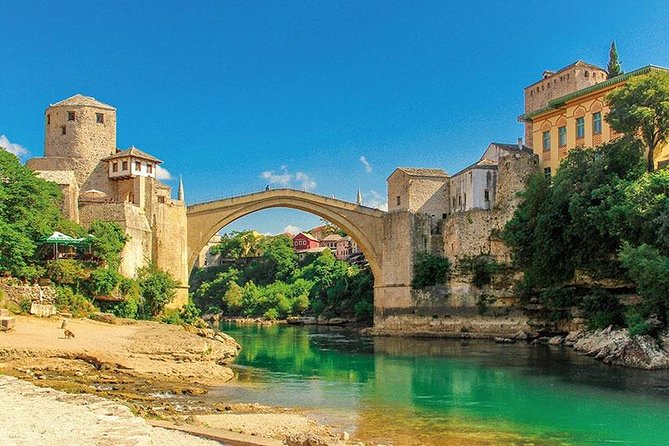
First is Počitelj, a stepped medieval fortress village listed as a World Heritage site. Then you move to Blagaj, known for the Dervish Monastery set into a 200 meter high cliff by clear streams. Finally, you reach Mostar, where the highlight is the ancient arch bridge and the scenery on both river sides.
I like that the day doesn’t treat Bosnia as a single theme. It’s fortress, water, faith, and city life—so you get variety without losing the main storyline of the region.
Practical note: the itinerary lists admission as free on several of these stops, but it also labels some as not included. So keep a little cash aside just in case you want to enter a church, monastery, or museum beyond the scheduled view.
Sarajevo: Latin Bridge context and the city of many cultures
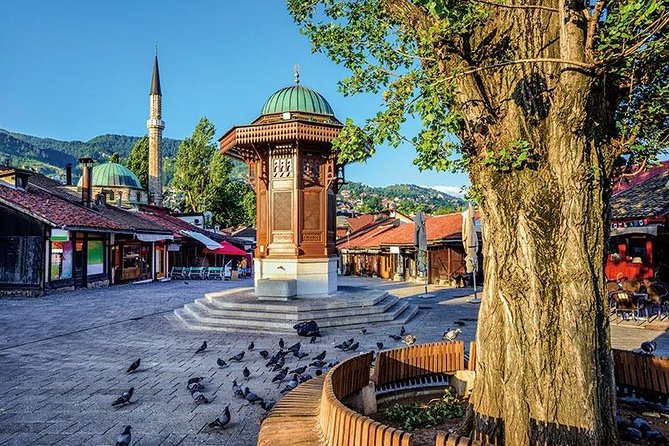
Day six is Sarajevo, and it comes with clear historical weight. You’ll visit the Old Town area and focus on the city’s role as a former gateway between regions and cultures. The itinerary points to the Latin Bridge, linked to the assassination that contributed to the start of the First World War, and also mentions the Sarajevo Meeting of Cultures line on the ground.
There’s also a sense of rebuilding in the explanation: Sarajevo described as reborn after a fire and shaped by modern architecture alongside older identity markers. You don’t need to read every historical detail to feel the difference in the streets. You just need time to look.
Then you cross the border back into Croatia and overnight near Vinkovci. That border crossing is part of why this tour feels more substantial than a simple Adriatic cruise-by.
Pécs on the way back: ending in Hungary with Turkish ruins and a cathedral view
The final day brings you back to Hungary with a stop in Pécs before returning to Budapest. Pécs is positioned between the Danube and Drava, and it’s known for a blend of culture and older architectural layers.
The itinerary calls out:
- a magnificent museum
- the best Turkish ruins in Hungary
- music, opera, and ballet as part of the city’s identity
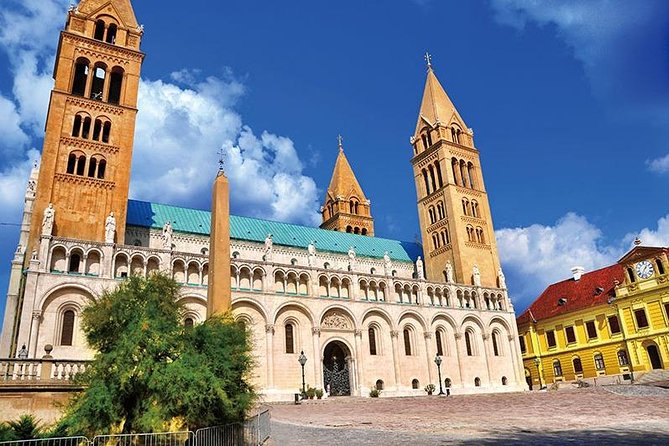
- Pécs Cathedral towering over Szent István Square
This is a smart ending because it ties the whole trip back to where you started. After a week of Croatia and Bosnia’s coastal and fortress imagery, Pécs brings you Central European rhythms again—plus that Turkish-era ruin context that helps you understand why the region’s architecture looks the way it does.
You drive back to Budapest in the afternoon. There’s an optional post-hotel night in Budapest if you choose it.
Price and value: what you’re really paying for
At $1,160.11 per person, this isn’t a budget-only trip. So you should judge value by what’s bundled. You get:
- 3-star (min.) hotels with private facilities
- daily coach transportation with air-con
- an experienced tour manager
- breakfast 6 times
- a structured schedule across Croatia and Bosnia with guided elements
Where value gets sharper is in the mix of included versus not included. The itinerary marks several major experiences as free (for example, Plitvice Lakes admission is listed as free; some Zadar and Dubrovnik-area entries are listed as free too). Yet it also flags multiple sights as not included, especially in Zagreb and several Dubrovnik/Mostar-related stops.
Then add the extras you should expect:
- Gratuities: €10 per person per day, collected in cash
- optional add-ons like the Dubrovnik cable car
In plain terms: the base price covers comfort and the heavy lifting (transport + guides + hotels). Your final cost depends on your “how many interiors do I want to enter” style.
The guide factor: English access and good storytelling (especially if Kenny is on your departure)
One of the strongest signals from past departures is how much the tour manager matters. On at least one recent trip, the guide Kenny handled the group with fluent Mandarin and English, using humor and steady care for clients. That’s not a small detail. When a guide can switch languages—or at least understand the whole room—you spend more time learning and less time translating.
That same departure also included private local guides in some cities, which is a big quality boost. Local experts can add context fast: who built what, why a square matters, or what to notice in a façade you might otherwise miss.
Group size is capped at 30 travelers, which usually helps the day feel organized. It’s still a coach tour, so you won’t get a slow, private experience in every town—but you should get a better flow than bigger group operations.
Who this tour fits best, and who should think twice
This works best if you want a guided highlights plan that covers Croatia and Bosnia in one week. You’ll likely enjoy it if you like:
- seeing top sites without planning the logistics yourself
- guided walking blocks in major towns
- mixing nature (Plitvice) with city history (Roman Split, Dubrovnik walls)
- adding Bosnia’s places like Mostar and Sarajevo to your itinerary
It might feel less ideal if you:
- need lots of free time with no schedule pressure
- dislike being on the coach for long stretches
- hate paying extra for site entries and want everything included
Also, if you’re a detail-first traveler—someone who wants deep museum time—you may find the pacing more “cover and continue” than “study and linger.”
Before you book: small prep that prevents big headaches
Check your documents early. You’ll need to provide passport name and contact details, plus gender and date of birth, and make sure your passport is valid at least 6 months beyond travel. This matters for border movement on the route.
Pack by the tour’s luggage rule: one 30 kg suitcase and one small carry-on. If you bring more, you’ll be the one dealing with the consequences during hotel check-ins and coach loading.
For shoes, think “walk comfortably for hours.” Several parts involve walking through old town areas and park paths. For Dubrovnik in particular, you’ll appreciate footwear that handles stone and steps.
Should you book this Balkan 7-day tour?
I think you should book if your goal is a high-coverage week that pairs Croatia’s Adriatic drama with Bosnia’s harder-to-ignore context, all guided in English and supported by a professional coach setup. The big win is the mix: Plitvice’s nature, Dubrovnik’s walls, and Mostar/Sarajevo give you variety that feels earned, not tacked on.
You should think twice if you want a slower pace, or if you strongly prefer that tickets and entries are fully included. This route is structured, and your spending at the door will depend on which interiors and optional experiences you choose.
If you like clear planning, manageable group size, and the chance to learn while you move, this is a solid choice for a first Balkan trip—especially for people who want to cover a lot without getting lost.
FAQ
What’s the start point and start time?
The tour meets at Budapest-Keleti Budapest, Kerepesi út 2-4, 1087 Hungary, with a start time of 8:30 am. It also ends back at the same meeting point.
Which countries and main cities are covered?
You’ll visit Croatia and Bosnia and Herzegovina, with stops that include Zagreb, Plitvice Lakes National Park, Zadar, Split, Dubrovnik, Počitelj, Blagaj, Mostar, and Sarajevo. The trip also includes a return stop in Hungary with Pécs, before heading back to Budapest.
What’s included in the price?
Included are accommodation in comfortable 3-star (minimum) hotels with private facilities, daily transportation by modern air-conditioned coach, services of an experienced tour manager, and breakfast (6).
What costs are not included?
Not included are gratuities (€10 per person per day, paid in cash to the tour manager), accommodation before and on the last day of the tour, optional activities and tickets for attractions not included in the itinerary, and personal expenses such as laundry and phone/internet use.
Is the tour offered in English?
Yes. The tour is offered in English, and the tour manager can speak both English and Chinese if needed for combined departures.
How late can I cancel for a full refund?
You can cancel up to 3 days in advance for a full refund. If you cancel less than 3 full days before the experience’s start time, the amount paid is not refunded.