REVIEW · BUDAPEST
Art Nouveau Tour in Budapest: 3-Hour Private Tour
Book on GetYourGuide →Operated by FUNGARIAN · Bookable on GetYourGuide
Art Nouveau in Budapest is a time machine. In a focused 3-hour private stroll through Pest’s turn-of-the-century facades, I like how the guide makes the details readable, not just pretty, and I like the way the tour connects ornament to local meaning (from Hungarian folk motifs to the beehive symbolism). One heads-up: it is not built for people with mobility impairments, and you’ll want comfortable shoes for city sidewalk time.
If you’re choosing between a quick photo stop and a real story, this one leans into the story. You’ll meet your guide in Budapest (pickup included at your accommodation), and you’ll have a live guide in English, German, or Albanian, plus printed material and note-taking supplies to help you keep track.
What Makes This Art Nouveau Tour Worth Your Time
- Secession explained clearly: why Art Nouveau is called szecesszió in Hungarian and what that tells you about the era
- Decorative late-19th-century facades: you’ll learn why so many buildings look so ornamented
- Hidden treasures in plain sight: the guide helps you spot features you’d probably miss on your own
- Hungarian folk motifs in architecture: you’ll see how local identity got built into the designs
- Beehives on public buildings: you’ll hear what that symbol points to
- Architect stories, not just styles: you’ll get the people behind the buildings, and why they mattered
In This Review
- A 3-hour Private Walk That Reads Budapest’s Facades Like a Book
- Secession (Szecesszió): The Art Nouveau Name With Local Meaning
- Why Budapest Didn’t Grow Like Other Cities: The Skyscraper Question
- Reading Ornament: Decorative Facades and What They’re Telling You
- Hungarian Folk Motifs Built Into Art Nouveau Designs
- Bee-Hive Symbolism on Public Buildings (And Why That’s More Than Weird Decor)
- Architect Stories and How the City’s People Shaped the Style
- Timing, Pace, and Getting the Most From the 3 Hours
- Guide Experience: What You’ll Want to Ask on the Street
- Who This Tour Fits Best (And Who Might Prefer Something Else)
- Price and Value: What $127 Buys You in Real Terms
- Should You Book This Art Nouveau Tour in Budapest?
- FAQ
- How long is the Art Nouveau private tour?
- Is this a private group or shared tour?
- What languages are the live guides available in?
- Is pickup included?
- What’s included in the tour price?
- Is food or drink included?
- Is the tour suitable for people with mobility impairments?
A 3-hour Private Walk That Reads Budapest’s Facades Like a Book
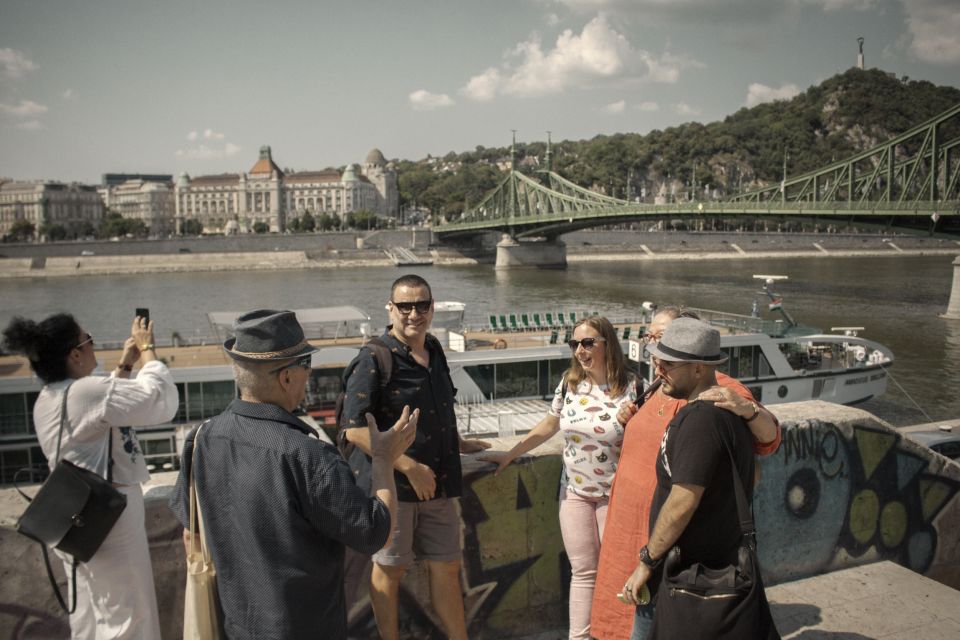
Budapest’s Art Nouveau is the kind of architecture that rewards close looking. This tour is designed for that. Instead of rushing through landmarks, you get a slower rhythm where the guide can stop you, point, and explain what you’re actually seeing on the street.
The tour also makes a practical promise: you’ll learn why the city looks the way it does. You’ll hear why most late-19th-century building fronts are so decorative, and you’ll get context for the design choices that show up across Pest. That matters, because architecture stays more interesting when you understand the reasons behind it.
The private format is also a big value driver. With a small group, you can ask questions and get answers that fit your level of curiosity. In the past, the guide Miklos has been praised specifically for staying responsive and for handling lots of individual questions without turning them into a time crunch.
Secession (Szecesszió): The Art Nouveau Name With Local Meaning
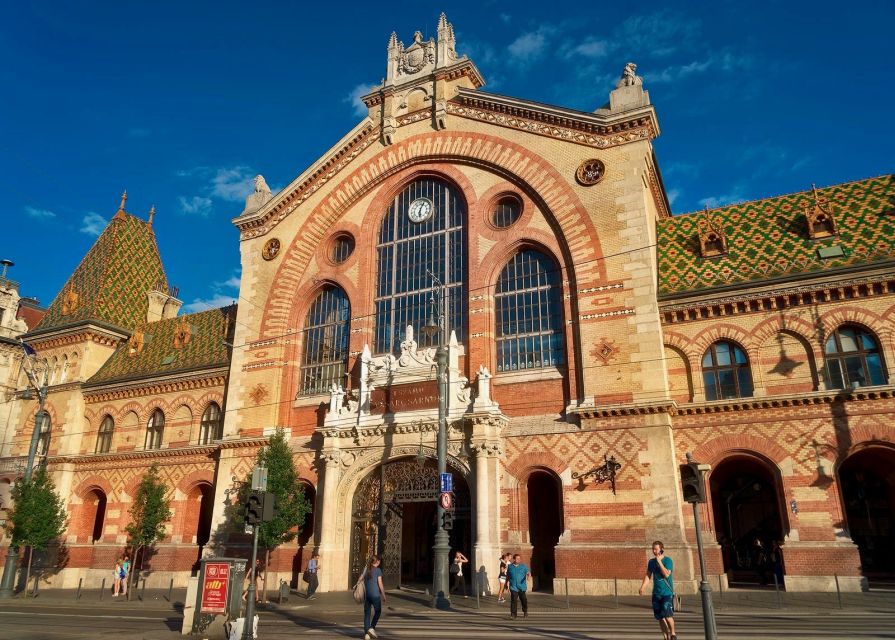
A lot of visitors treat Art Nouveau like one global “style.” The tour changes that by starting with the Hungarian idea of Secession, szecesszió. You’ll learn that the name itself signals a break from older tastes and a push for something new—one that still felt connected to Hungarian identity.
You’ll also learn why this movement became so important in Budapest during the late 1890s and early 20th century. The goal is not to memorize a timeline. The goal is to understand why the city was ready for this kind of expressive architecture—and why it spread the way it did across the streets of Pest.
This is where I think the tour is strongest for first-timers. You leave with a mental map of what to look for next time you’re wandering. Instead of “pretty facades,” you’re picking up recurring themes, symbols, and design logic.
You can also read our reviews of more private tours in Budapest



Why Budapest Didn’t Grow Like Other Cities: The Skyscraper Question
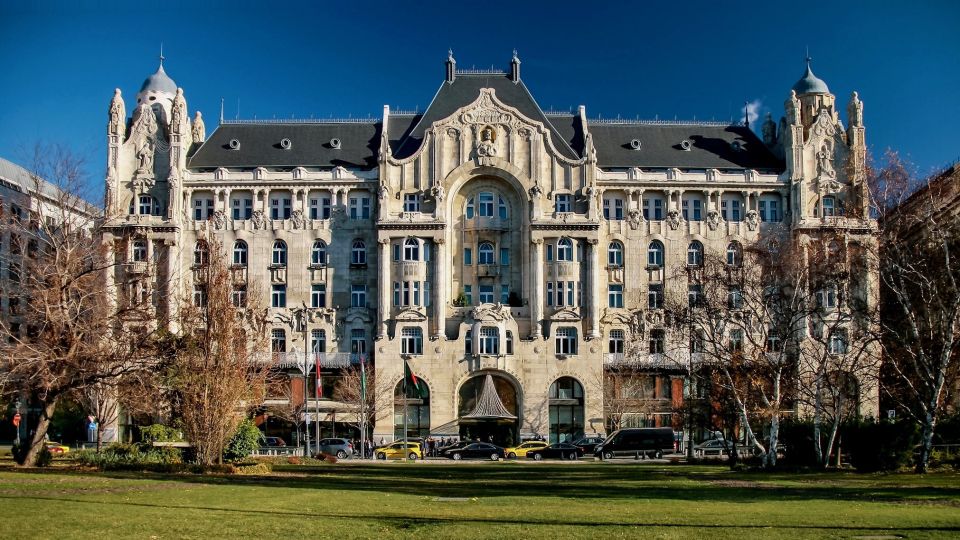
One of the tour’s great teachable moments is the question you might not even think to ask: why there are no skyscrapers in Budapest. You won’t just get a quick answer. You’ll hear an explanation tied to the city’s history and development patterns.
That matters because skyline expectations can mislead you. Many cities grew upward through modern planning and commercial building booms. Budapest’s story is different, and this tour helps you see how that difference shaped what you experience today on street level.
You’ll also notice how the architectural focus shifts back to the details you can reach—facades, entrances, ornament, and the “in-between” spaces where Budapest loves to show off its craftsmanship.
Reading Ornament: Decorative Facades and What They’re Telling You
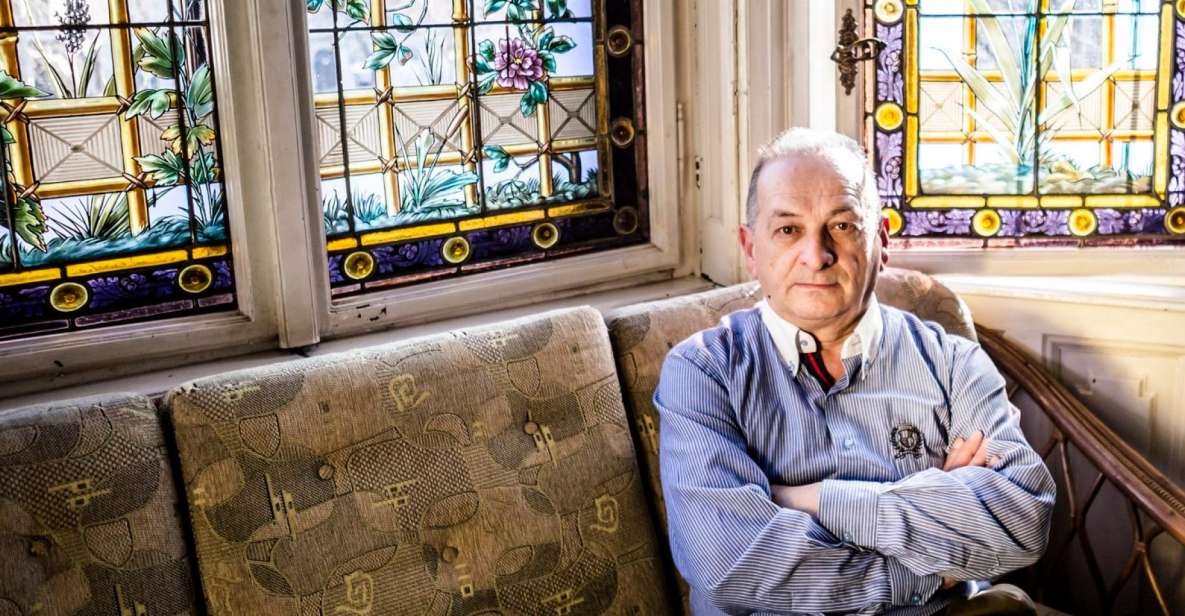
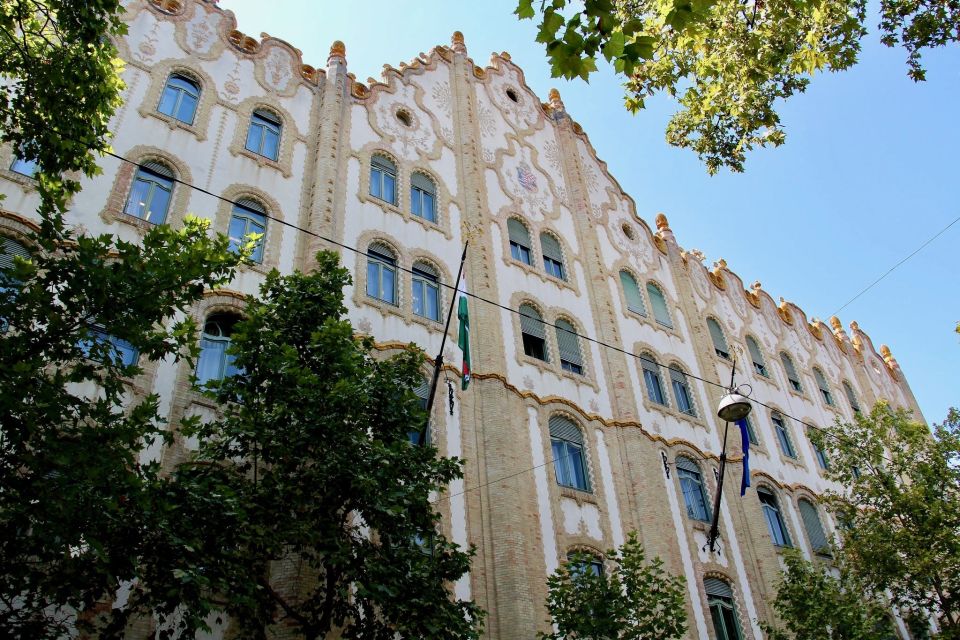
Budapest loves ornament, especially on buildings from the late 19th century. The tour explains why those facades are so decorative—why decoration wasn’t just leftover style, but part of the message.
Expect to learn how Art Nouveau revolutionized architecture in a way that felt modern at the time. The guide will connect the design approach to how people wanted buildings to communicate. And you’ll learn what changes when a building is meant to be seen closely, not from a distance.
This part is also where the private approach really pays off. If you have even basic curiosity, you’ll want time to ask follow-ups like why certain shapes show up where they do, or what a symbol is trying to say. The tour is built for questions, and past visitors have specifically praised the guide’s willingness and ability to answer them.
Hungarian Folk Motifs Built Into Art Nouveau Designs
Art Nouveau in Budapest wasn’t just imported decoration. One of the most memorable themes you’ll hear about is how Hungarian folk motifs were built into Art Nouveau designs.
This is one of those ideas that sounds like a “cultural note” until you connect it to visuals. Once you understand the intention—local identity expressed through modern design—you start spotting elements that feel less like generic ornament and more like storytelling.
If you enjoy culture through everyday things, this is exactly the kind of angle that makes the tour worth doing. Instead of treating architecture as a museum display, you see it as something tied to lived identity.
Bee-Hive Symbolism on Public Buildings (And Why That’s More Than Weird Decor)
Budapest’s public buildings include a symbol you might recognize later: beehives. The tour explains what beehives symbolize on Budapest’s public buildings, and it ties the detail back into why this era used visible symbolism.
The takeaway isn’t just “there’s a beehive.” The takeaway is that Art Nouveau-era architecture often worked like readable language. It used motifs that meant something to the people living there, and the guide helps you interpret that.
I like this because it turns your eyes into a tool. After this, you’ll likely start noticing other “emblems” and patterns on the facades around you, even when you’re not on the tour.
You can also read our reviews of more tours and experiences in Budapest





Architect Stories and How the City’s People Shaped the Style
Good architecture tours answer two questions: what you see, and who made it happen. You’ll hear fascinating tales about the architects behind these buildings. That’s important because it shifts the emphasis from facades as objects to facades as outcomes—created by real people responding to real pressures and ideas.
This part works especially well if you enjoy history beyond dates. Even without a deep technical background, you’ll get a clearer sense of how architectural careers, design ambitions, and local tastes intersected in Budapest at the turn of the century.
Also, because this is a private experience, you can steer the conversation. If your interest is mostly history, you’ll likely get story-focused context. If your interest is more architectural, you’ll likely get design-feature explanations.
Timing, Pace, and Getting the Most From the 3 Hours
Three hours sounds short, but it’s actually a sweet spot for this kind of tour. It’s long enough to explain key themes—Secession, decorative facades, folk motifs, symbolism—and short enough that you won’t feel like you’re stuck on a schedule.
You’ll want to plan for walking and standing. Bring comfortable shoes and comfortable clothes. You’ll be outdoors on the streets of Pest, and the tour’s value depends on seeing details close up.
Food and drink are not included. That’s not a problem, but it changes how you should plan your day. If you schedule a meal afterward, you’ll move more smoothly than if you’re trying to “tour through” hunger.
Transportation is also not included. The approach is pickup included at your accommodation, and then walking with your guide. So think of it as a walking orientation to Art Nouveau Budapest rather than a bus tour.
Guide Experience: What You’ll Want to Ask on the Street
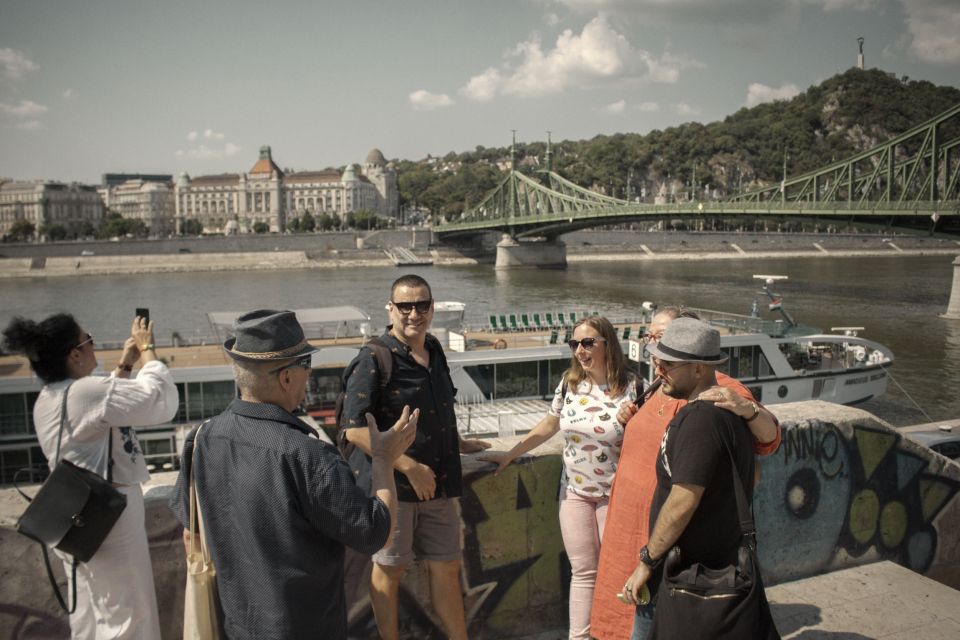
A tour like this lives or dies by the guide’s ability to translate style into meaning. Based on what people have highlighted, the best moments tend to happen when you ask something specific and the guide can answer it clearly.
If you want to get extra value, here are question types that match what the tour is designed to cover:
- Why Art Nouveau is called Secession (szecesszió) in Hungarian
- What the beehive symbol means on Budapest public buildings
- How folk motifs get turned into architectural design
- Why late-19th-century buildings in Pest are so decorative
- Why Budapest doesn’t follow the skyscraper story other cities tell
One extra bonus worth knowing: in at least some cases, the guide has shared context about the underground and tram system alongside the architecture walk. If that interests you, it’s a great way to connect the turn-of-the-century buildings to how the city functions now. Just remember it’s still primarily an Art Nouveau architecture experience.
Who This Tour Fits Best (And Who Might Prefer Something Else)
This is a strong match if you:
- Love architecture and want more than photos
- Enjoy history that explains visible clues
- Want a unique Budapest angle focused on Pest in the late 1890s and early 20th century
- Prefer a private format where questions get real answers
It’s likely not the best fit if you have mobility challenges, since the tour isn’t suited for people with mobility impairments. Also, if you want a “drive-by highlights” experience with minimal walking, this one probably won’t match your pace preference.
Price and Value: What $127 Buys You in Real Terms
At $127 per person for a 3-hour private tour, you’re paying for three things: a live guide, personalization, and careful attention to details you’d miss alone.
If you were to explore Art Nouveau on your own, you could absolutely find buildings and take photos. The cost here is for translation—someone explaining why the facades are decorated, what Secession means in Hungarian, and how symbols like beehives fit into the story. You also get practical extras: notebooks, pens, and printed material, which help you keep notes and compare details as you walk.
The private group format is the other value piece. With a small group, the guide can slow down when you want to see something again, or answer follow-ups without turning your day into a strict timetable.
Should You Book This Art Nouveau Tour in Budapest?
Book it if you want Art Nouveau to make sense. This tour is built for people who care about meaning: why the style took hold in Pest, how Hungarian folk motifs were folded into design, and what those symbols are doing on real buildings.
Skip it if you want only broad, quick sightseeing or if walking time is a problem for your body. Also, if you’re expecting a food-focused experience or transportation-based sightseeing, this isn’t that kind of tour.
If you do book it, go in ready to look slowly. Bring your questions. Even basic curiosity gets rewarded here, and you’ll come away with a sharper eye for Budapest’s architecture long after the 3 hours end.
FAQ
How long is the Art Nouveau private tour?
The tour lasts 3 hours.
Is this a private group or shared tour?
It’s a private group.
What languages are the live guides available in?
The guide is available in English, German, and Albanian.
Is pickup included?
Yes. Your guide will meet you at your accommodation in Budapest, and you’ll head to the first stop together.
What’s included in the tour price?
Included items are notebooks, pens, and printed material.
Is food or drink included?
No, food and drink are not included.
Is the tour suitable for people with mobility impairments?
No, it’s not suitable for people with mobility impairments.